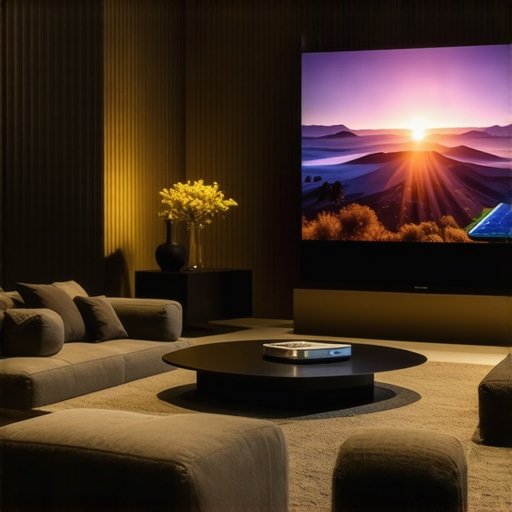
I remember the first time I tried to set up a home theater projector. I was so excited—imagine a huge, cinematic screen right in my living room. But after hours of fiddling with placement, brightness issues, and tangled cables, I was left feeling pretty defeated. That moment was my lightbulb moment. I realized that not all projectors are created equal, especially when it comes to 4K resolution and innovative designs like ultra short throw or laser technology. If you’ve ever faced similar frustrations or felt overwhelmed by the flood of options, you’re not alone. Honestly, I wish I had known then what I know now about how to pick the right projector for my space and needs. And that’s exactly what I want to share with you today.
Why Picking the Right Home Projector Can Save Your Movie Nights
Choosing the perfect projector isn’t just about having a big screen—it’s about creating an immersive experience without the hassle. A good 4K projector can transform your living room into a cinematic universe, but only if it fits your space, budget, and viewing habits. The right tech, like ultra short throw (UST) models or laser projectors, can eliminate the usual headaches—like poor image quality or complicated setups—and make your movie nights truly magical. But here’s the kicker: with so many options available, it’s easy to get lost in the details and end up with a device that doesn’t meet your expectations. That’s why understanding the key differences and benefits of these advanced projectors is essential. Trust me, I’ve made mistakes early on—like opting for a cheap, traditional projector that barely lit up my wall or struggled with ambient light. It’s a common rookie error, and one that I want to help you avoid. For a comprehensive comparison, check out this guide on laser projectors vs. traditional ones, which sheds light on why laser tech is gaining popularity for home use.
Is 4K Ultra Short Throw & Laser Projectors Actually Worth the Hype?
When I first heard about ultra short throw projectors, I thought, “This sounds too good to be true.” The idea of having a massive, crisp display just inches from the wall seemed like a miracle—until I tried one. And yes, the hype is real. These projectors can save space, reduce installation headaches, and deliver stunning picture quality. And laser projectors? They elevate everything further with brighter images and longer-lasting light sources. According to a recent report, laser projectors are now considered the industry standard for high-end home theaters because of their impressive longevity and brightness. But I’ll admit, I was skeptical at first. My mistake was assuming that the latest tech would automatically fit my budget and needs. It’s a common pitfall, and one I want you to learn from. If you’re tired of squinting at blurry images or dealing with shadowy corners, then it’s time to explore these innovative options. To see what might work best for your space, take a look at this [Ultimate 4K Projector Buying Guide for Movie Nights](https://projectors.homecinemaessentials.com/ultimate-4k-projector-buying-guide-for-movie-nights). It’s packed with insights to help you make an informed decision.
So, if you’ve been frustrated by setup struggles or disappointed with image quality, don’t worry. There’s a perfect projector out there for you, and I’ll help you find it. Ready to dive deeper into the world of ultra short throw and laser projectors? Let’s get started on making your home theater dreams a reality.
,
Measure Your Space Before Choosing Your Projector
Start by knowing your room dimensions and lighting conditions. Use a tape measure to determine wall size and ceiling height. If your room has ambient light, consider a laser projector for brightness. I once measured my small living room, realized I needed a compact ultra short throw (UST) model, and avoided a bulky traditional projector that would have overwhelmed the space. For guidance, check out this ultra short throw guide to see how these projectors fit into small spaces.
Select the Right Projector Type for Your Needs
Ultra Short Throw Projectors
UST projectors sit just inches from the wall, like a giant TV. They are perfect for small rooms or apartments because they eliminate the need for long cables and complex setups. When I upgraded, I chose a 4K laser UST model, which transformed my wall into a cinematic canvas without clutter. To explore top options, visit this UST projector buying guide.
Portable Projectors
If mobility is your priority, portable projectors are your friends. They’re lightweight, often battery-powered, and easy to connect to smartphones or laptops. I tested a few, and the best ones for 4K visuals are detailed in this portable 4K projector list. Remember, portability might mean slightly lower brightness, so choose accordingly.
Laser vs. Traditional Projectors
Laser projectors shine brighter and last longer, reducing maintenance. They are like having a flashlight that never dims. I found that laser tech made a huge difference when watching movies in a bright room. For a detailed comparison, see this laser vs traditional review.
Focus on Resolution and Brightness
4K resolution offers sharp, detailed images, essential for cinematic quality. Brightness is measured in lumens; for rooms with ambient light, aim for at least 2,000 lumens. I initially bought a 1080p projector, but upgrading to 4K made my movie nights feel like theaters. Use this 4K buying guide to find the best fit.
Set Up for Optimal Viewing
Mount your projector at the right height, aiming for a 1.5 to 2.5 times screen width distance. Use adjustable mounts or ceiling brackets for precision. I spent time tweaking my setup, which was messy at first, but the crisp image and proper focus made it worth the effort. For tips on installation, visit this home theater setup guide.
Configure Settings for Best Picture
Adjust contrast, keystone correction, and color profiles. Many projectors have auto-calibration, but manual tweaks yield better results. I spent an evening fine-tuning my projector, and the difference was night and day. For detailed calibration tips, see this calibration guide.
Many enthusiasts jump into buying a home theater projector, 4K projector, or ultra short throw without fully understanding the nuances. Let’s dig deeper into what most people get wrong and how you can avoid these pitfalls to elevate your home cinema experience. Contrary to popular belief, not all high-end projectors are suitable for every space. For example, a 4K projector with incredible resolution can still underperform if it’s not matched properly with your room’s lighting and size. Many assume that brightness alone determines quality, but in reality, the contrast ratio plays a crucial role in image depth and color richness. Overlooking this can result in flat, washed-out visuals, especially in rooms with ambient light.
Another common mistake is focusing solely on resolution and ignoring throw distance. People often think that an ultra short throw projector can be placed just inches from the wall without any loss in quality. While UST models are designed for tight spaces, achieving optimal focus and minimal distortion still requires proper installation and calibration. Misplaced projectors lead to keystone distortion and blurry edges, which ruin the cinematic effect.
Many underestimate the importance of calibration. After purchasing a portable projector, some users neglect to fine-tune settings like contrast, gamma, and color profiles. This oversight results in subpar image quality, no matter how advanced the device. Proper calibration can transform a decent projector into a stunning visual powerhouse.
Now, let’s address an advanced question:
Why does my high-lumen projector still look dull during movies in a bright room?
This often happens because lumen ratings alone don’t tell the full story. You need to consider the contrast ratio and color accuracy. High brightness is essential, but without good contrast, the image appears flat and lacks depth. Experts recommend choosing projectors that balance lumen output with high contrast ratios for optimal results. Additionally, using color calibration tools can further enhance picture quality in challenging lighting conditions.
Have you ever fallen into this trap? Let me know in the comments. Being aware of these subtle pitfalls can save you from costly mistakes and ensure your home theater setup truly impresses.
Maintaining your home theater projector, whether it’s a cutting-edge 4K model, ultra short throw, portable, or laser projector, is crucial to ensure a long lifespan and optimal performance. Over time, dust, lamp degradation, and environmental factors can impact image quality and device longevity. That’s why I rely on specific tools and practices to keep my setup running smoothly. Let me share some of my top recommendations and insights to help you preserve and enhance your home cinema experience.
Invest in a High-Quality Air Purifier and Clean Environment
Dust buildup is one of the biggest enemies of projectors. Dust particles can settle inside the lens and cooling vents, causing overheating and image degradation. I use a HEPA air purifier in my media room to reduce dust and allergens, which significantly extends the intervals between deep cleanings. Additionally, keeping the room clean and free from pet hair or smoke is essential. Regularly wiping down the projector’s exterior and vents prevents dust from entering the device, helping maintain clear airflow and optimal cooling. For more advanced setups, consider installing a filtered ventilation system that keeps dust out of the entire room.
Utilize a Lens Cleaning Kit for Safe Maintenance
Over time, fingerprints or smudges can appear on the lens, diminishing image sharpness. I recommend a specialized lens cleaning kit that includes a microfiber cloth and a gentle cleaning solution designed for delicate optics. Regular lens cleaning, about once every few months or after heavy use, ensures your image remains crisp. Remember, never use harsh chemicals or abrasive materials that can scratch or damage the lens surface. Proper cleaning preserves clarity and color accuracy, especially vital for 4K and laser projectors that deliver stunning detail.
Monitor and Replace the Lamp or Light Source When Needed
Most traditional projectors rely on lamps that degrade over time, leading to dimmer images. I keep a close eye on my projector’s lamp hours using the built-in menu system or dedicated software. When the lamp approaches its rated lifespan—often around 2,000 to 3,000 hours—I plan for replacement to avoid sudden performance drops. Laser projectors, while boasting longer-lasting light sources, still benefit from periodic calibration and maintenance checks. For accurate monitoring, tools like professional service providers can assist with calibration and component checks, ensuring your projector continues to perform at peak levels.
Calibrate Your Projector Regularly for Consistent Image Quality
Even the best projectors need calibration to maintain color accuracy, contrast, and brightness. I use software like CalMAN or LightSpace to perform detailed calibration procedures, which can be connected via HDMI or USB. These tools allow me to fine-tune my projector’s settings, especially after updates or environmental changes. Proper calibration is vital for ultra short throw and 4K models, where even slight misalignments can cause distortion or uneven focus. Regular calibration ensures your investment continues to deliver cinematic quality day after day.
Prepare for Future Upgrades and Trend Predictions
Looking ahead, I predict that smart home integration and AI-powered calibration tools will become standard, simplifying maintenance even further. Technologies like auto-focus, auto-keystone, and adaptive brightness will make upkeep easier and more precise. Investing in a quality maintenance plan or subscription service can save time and prevent unexpected issues, especially for high-end laser projectors. As the trend towards more immersive home theaters grows, maintaining your equipment efficiently will be key to enjoying seamless, stunning visuals for years to come.
Now is the perfect time to try out advanced calibration techniques or invest in a good air filtration system. These small steps can significantly extend your projector’s lifespan and keep your movies looking spectacular. Remember, a well-maintained projector is the foundation of a truly immersive home cinema experience. For more detailed maintenance routines, I recommend checking out this ultimate guide to laser 4K UST projectors. Don’t wait—your next blockbuster night depends on it!
The Hardest Lesson I Learned About Home Theater Projectors
One of the biggest surprises I faced was realizing that not all projectors deliver the same quality, even if they boast 4K resolution. It’s tempting to go for the highest specs, but the true magic lies in how well the projector adapts to your space, lighting, and setup. My first mistake was choosing a projector with incredible specs but poor contrast ratio, which made images look flat in my living room. That taught me that resolution isn’t everything—contrast and color accuracy are just as crucial, especially for cinematic immersion.
Why I Overlooked Calibration at First
I used to think that once I set the projector up, I was done. Big mistake. I learned that manual calibration of contrast, keystone correction, and color profiles can make or break your viewing experience. After investing time into proper calibration, my images became sharper, colors more vibrant, and the overall picture more lifelike. This was a game-changer and a lesson I wish I had embraced earlier.
The Space Factor and Throw Distance Made Me Reconsider My Choices
Initially, I believed that a projector’s specs alone determined its suitability. But after trying to install a traditional long-throw model in a small room, I realized space constraints are critical. Ultra short throw projectors transformed my setup, allowing me to get a massive image just inches from the wall. It’s a lesson that understanding your room’s dimensions and choosing the right throw type can save you a lot of headaches and money.
How I Learned to Maintain and Extend My Projector’s Lifespan
Proper maintenance became a revelation. Dust buildup, lamp hours, and environmental factors can degrade image quality over time. I now use a HEPA air purifier, regularly clean the lens with a microfiber cloth, and monitor lamp usage carefully. These small routines have prolonged my projector’s life and kept my cinematic experience pristine. It’s clear that maintenance is an ongoing journey, not a one-time setup step.
My Top Resources for Better Home Theater Setup
For anyone serious about elevating their home theater, I recommend these tools and guides: Ultimate 4K Projector Buying Guide for understanding specs and options, Laser vs. Traditional Projectors comparison for brightness and longevity, and comprehensive calibration guides that transform decent images into stunning visuals.