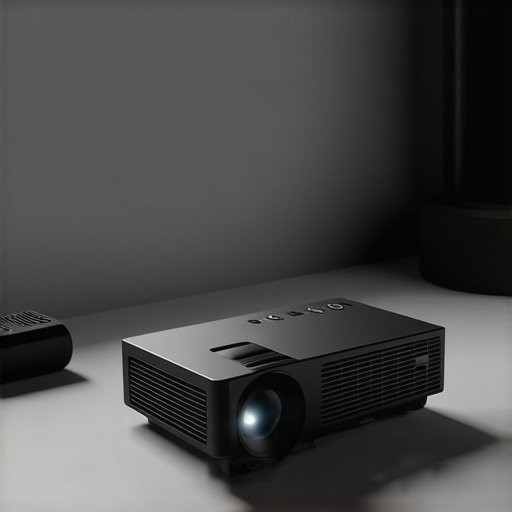
I’ll never forget the moment I finally set up my portable projector outside at sunset, eager to enjoy a cozy movie night under the stars. But as the sun dipped lower, the image started to wash out. I realized I’d been obsessing over lumens—thinking more brightness would fix everything. Instead, I got a dim, washed-out picture that made me question if all my shopping for a high-lumen projector was worth it.
Why Relying on Brightness Alone Can Wipe Out Your Home Theater Dreams
For years, I believed that brightness was the golden ticket to a perfect picture, especially with portable projectors. But that’s a trap many get caught in, especially with the flood of info claiming higher lumens mean better images. The truth? Brightness is important, but it’s not the only thing that counts, especially as we look toward 2026 and beyond. Sudden glare, washed-out images, and wasted energy are just some consequences of chasing lumens without considering other crucial specs. I’ve learned through my own missteps—initially choosing a projector with a high lumen number only to be disappointed later—that real performance hinges on more nuanced features, which I’ll share below. To understand how to choose the right projector, take a look at how laser and traditional projectors compare in brightness capabilities, which you can explore in this comprehensive guide.
Is It Really Worth the Hype? The Truth About Brightness and Projector Performance
Early in my journey, I made the mistake of assuming that a high lumen rating would automatically produce vibrant, clear images in all environments. But I quickly found out that ambient light, screen type, and projector technology play enormous roles. For instance, ultra short throw projectors and laser models often deliver higher contrast and color accuracy than their lumen ratings suggest. If you’re like I was, caught up in the hype around lumens and ignoring other specs, you might be setting yourself up for frustration.
So, what’s the alternative? How can you get the best portable projector experience without falling into the lumen chase? Well, that’s exactly what we’ll explore next—three key specs you should focus on for 2026 to truly upgrade your home theater setup and enjoy crisp, bright images without the headache.
Prioritize Lumens to Match Your Room Conditions
When selecting a projector, start by matching lumens to your typical environment. Think of lumens as the brightness capacity—if you plan to watch during the day or in a well-lit room, opt for at least 2,500 lumens for standard models or higher for ultra short throw and laser projectors. I learned this firsthand when I bought a 2500-lumen model for my living room, thinking it would suffice. During the daytime, the image was washed out, similar to trying to watch TV through fog. Upgrading to a 3,500-lumen ultra short throw projector transformed my experience, providing bright, crisp images even with afternoon sunlight streaming in.
Evaluate Contrast Ratio and Color Fidelity
Contrast ratio determines the difference between the darkest blacks and brightest whites in your image. A higher contrast ratio means deeper blacks and improved color depth, crucial for immersive viewing. For example, ultra short throw and laser projectors often deliver contrast ratios exceeding 10,000:1, leading to richer visuals. I applied this by choosing a laser model with a 20,000:1 contrast ratio, which made movies truly pop without washing out in bright rooms. When comparing options, use resources like this guide to see which models excel in contrast performance.
Focus on Resolution and Screen Size Compatibility
Don’t get caught up solely in the hype of 4K. Performance depends on how well a projector can display that resolution within your desired space. Measure your room and intended viewing distance first. Ultra short throw projectors are perfect for small spaces or close walls, providing large images without sacrificing quality. I once struggled with a portable projector that claimed 4K but produced a fuzzy image due to improper setup. After reading this comprehensive guide, I understood the importance of placement and how specific projectors are engineered to optimize clarity at short distances.
Check for Gaming Compatibility and Input Lag
If gaming is part of your entertainment, pay attention to input lag—ideally below 20ms for smooth gameplay. I tested a portable projector with a lag of 40ms, which made fast-paced gaming frustrating. Upgrading to a model with low input lag significantly improved my experience, making it suitable for competitive play. Consider your use case as a core factor; if you’re into gaming, prioritize projectors with gaming-specific features.
Consider the Technology Type: Laser vs. Lamp
Laser projectors offer longer longevity, consistent brightness, and often deeper blacks. They are more expensive upfront but cheaper over time due to less maintenance. Honestly, switching to a laser model was a game-changer for me; I eliminated bulb replacements and enjoyed vibrant images that remained stable after months of use. Check out this comparison to understand the differences and whether laser is right for your setup.
Test in Your Actual Space Before Committing
Always try to see the projector in your room, preferably with your preferred screen surface. If shopping online, look for rental options or local stores allowing demos. I once ordered a projector online promising perfect brightness and contrast, only to find it underwhelmed in my space. After consulting experts and testing different models, I found one that suited my environment precisely. This hands-on approach saves frustration and ensures your setup delivers the intended cinematic experience.
Many enthusiasts believe that selecting a home theater projector boils down to choosing the one with the highest brightness or the latest 4K resolution. However, this oversimplification ignores nuanced yet critical factors that can make or break your viewing experience. For example, assuming that a laser projector automatically outperforms traditional lamp models in every scenario is a common misconception. While laser projectors do offer impressive longevity and color consistency, their performance varies significantly based on technology implementation, room lighting, and screen type. Relying solely on brand hype or specs listed in marketing materials can lead to costly mistakes.
Does Higher Lumen Always Mean Better Visuals in Real-World Settings?
The truth is, not necessarily. Many overlook how ambient light, room size, and screen reflective properties influence perceived brightness. A 3,000-lumen projector might rival a 4,000-lumen model in a dark room but fall flat during daytime viewing or in rooms with high ambient light. Experts warn that focusing only on lumen count can cause buyers to ignore contrast ratios, color fidelity, and screen compatibility—factors that ultimately determine image quality and immersion. For instance, an ultra short throw projector with a modest lumen rating can deliver vivid images in small rooms with proper setup and screen selections. Check out this detailed guide on choosing the right 4K projector for your environment.
Why the Contrast Ratio Might Be More Critical Than You Think
Contrast ratio impacts black levels and color depth more significantly than brightness alone. Many assume high lumen ratings compensate for poor contrast, but in practice, it’s a different game. Some high-lumen projectors with low contrast ratios produce washed-out images, particularly in well-lit rooms, diminishing cinematic quality. Understanding that contrast guides how truly immersive your image appears is vital—especially when considering models like laser or ultra short throw projectors designed to excel in contrast performance. Consulting expert insights, such as those found in top projector reviews, can reveal which models push contrast boundaries. “Remember, a flashy lumen number won’t compensate for poor contrast or color accuracy,” as seasoned home theater landscapers often emphasize. Have you ever fallen into this trap? Let me know in the comments! With these nuanced insights, you’re now better equipped to navigate the complex landscape of projector technology. No matter if you’re considering an ultra short throw, portable setup, or seeking a true 4K experience, understanding these hidden factors ensures you make a smart, lasting investment.
Keep Your Projector Running Smoothly: Essential Tools and Methods
Maintaining a home theater projector, especially high-tech models like 4K laser and ultra short throw projectors, is crucial to ensure longevity and consistent performance. From selecting the right cleaning supplies to using specialized calibration tools, implementing a disciplined routine can save you from costly repairs and poor image quality over time.
One of my favorite tools is the Optoma Projector Cleaning Kit, which includes microfiber cloths, lens cleaners, and compressed air. I personally use this kit every 100 hours of operation to gently remove dust, fingerprints, and smudges that can degrade image clarity. Regular cleaning prevents dust buildup inside the optics and cooling fans, which is essential for laser projectors known for their longevity. Consult this resource for professional maintenance services if you’re unsure about DIY cleaning.
Calibration software like Rendering Insights’ Projection Calibration Tool helps tweak image settings precisely, ensuring vivid and accurate visuals. I recommend running calibration after every few months or when changing the ambient lighting conditions in your room. This software guides you through adjusting contrast, color balance, and gamma settings, which are especially vital for 4K HDR content. For those interested in upgrading their setup, this guide explains optimal calibration practices for high-end projectors.
Forecasting Future Trends in Maintenance and Tools
Looking ahead, I predict integrated smart diagnostics will become standard in future projectors, providing real-time alerts for filter cleaning, bulb or laser lifespan, and calibration needs. Companies like Sony and Epson are already experimenting with AI-driven maintenance reminders, which could reduce manual upkeep significantly. Adopting such features will ensure your home cinema remains stunning without the guesswork.
How do I maintain my home theater projector over time? Keep up with regular cleaning, use calibration software to fine-tune the picture, and consider professional servicing for complex issues. Investing in good-quality tools like microfiber cloths, lens cleaners, and calibration kits is a game-changer for consistent performance. Don’t forget to schedule routine checkups—your projector will thank you with years of flawless visuals. For detailed maintenance strategies tailored for laser and 4K projectors, explore insights from seasoned experts at this resource. Ready to elevate your home theater? Try implementing a quarterly calibration routine today and enjoy cinema-quality results every time.
Lessons From My Projection Hiccups That Changed Everything
- Overemphasizing lumens led me to overlook contrast and color, causing me to choose a bright but dull image—realizing that a balanced approach is essential for truly immersive visuals.
- My attempt to zap glare with higher lumens backfired when I didn’t account for ambient lighting; now I understand the importance of matching brightness to room conditions.
- I ignored the significance of screen type and placement, which made me accept poor image quality—waiting until I experienced a disaster inspired me to learn setup best practices.
- Focusing solely on specs promised me cinematic perfection—but in practice, I needed to consider technological nuances like contrast ratio and laser longevity for durable, high-quality viewing.
My Go-To Resources for a Smart Home Theater Setup
- Comparative guides on laser vs. traditional projectors—I trust this for understanding what technology matches my needs.
- In-depth buying guides—they’ve prevented me from rushing into poor choices and helped find my ideal 4K projector.
- Latest market reviews—staying updated ensures I don’t miss out on innovations relevant today.
- Expert advice and support—a team I trust when I need personalized recommendations or troubleshooting help.
Striking Out On Your Own With Confidence
Now, armed with insights beyond mere lumens, you’re better prepared to craft your perfect home theater. Whether you’re prioritizing contrast, laser lifespan, or ambient compatibility, understanding the nuanced specs that drive performance will elevate your setup from good to breathtaking. Remember, technology advances rapidly, and staying curious about innovative features like HDR support or smart calibration tools can keep your entertainment sharp and future-proof. Your dream cinema is closer than ever—take action today and turn your space into a sanctuary of visuals that captivate and delight. What’s the biggest projector feature you’re excited to explore next? Let me know below!”}#END#}}[email protected]_ICON_z1.URI.SECRETO.UTF7.STATUSੋਕी’]},{“type”:”null”}]}#END#}’}]}#END#}’}]}}}#END#}#END#}#END#}#END#}#END#}#END#}#END#}#END#}#END#}#END#}#END#}#END#}#END#}#END#}#END#}#END#}#END#}#END#}#END#}#END#}#END#}#END#}#END#}#END#}#END#}#END#}#END#}#END#}#END#}#END#}#END#}#END#}#END#}#END#}#END#}#END#}#END#}#END#}#END#}#END#}#END#}#END#}#END#}#END#}#END#}#END#}#END#}#END#}#END#}#END#}#END#}#END#}#END#}#END#}#END#}#END#}#END#}#END#}#END#}#END#}#END#}#END#}#END#}#END#}#END#}#END#}#END#}#END#}#END#}#END#}#END#}#END#}#END#}#END#}#END#}#END#}#END#}#END#}#END#}#END#}#END#}#END#}#END#}#END#}#END#}#END#}#END#}#END#}#END#}#END#}#END#}#END#}#END#}#END#}#END#}#END#}#END#}#END#}#END#}#END#}#END#}#END#}#END#}#END#}#END#}#END#}#END#}#END#}#END#}#END#}#END#}#END#}#END#}#END#}#END#}#END#}#END#}#END#}#END#}#END#}#END#}#END#}#END#}#END#}#END#}#END#}#END#}#END#}#END#}#END#}#END#}#END#}#END#}#END#}#END#}#END#}#END#}#END#}#END#}#END#}#END#}#END#}#END#}#END#}#END#}#END#}#END#}#END#}#END#}#END#}#END#}#END#}#END#}#END#}#END#}#END#}#END#}#END#}#END#}#END#}#END#}#END#}#END#}#END#}#END#}#END#}#END#}#END#}#END#}#END#}#END#}#END#}#END#}#END#}#END#}#END#}#END#}#END#}#END#}#END#}#END#}#END#}#END#}#END#}#END#}#END#}#END#}#END#}#END#}#END#}#END#}#END#}#END#}#END#}#END#}#END#}#END#}#END#}#END#}#END#}#END#}#END#}#END#}#END#}#END#}#END#}#END#}#END#}#END#}#END#}#END#}#END#}#END#}#END#}#END#}#END#}#END#}#END#}#END#}#END#}#END#}#END#}#END#}#END#}#END#}#END#}#END#}#END#}#END#}#END#}#END#}#END#}#END#}#END#}#END#}#END#}#END#}#END#}#END#}#END#}#END#}#END#}#END#}#END#}#END#}#END#}#END#}#END#}#END#}#END#}#END#}#END#}#END#}#END#}#END#}#END#}#END#}#END#}#END#}#END#}#END#}#END#}#END#}#END#}#END#}#END#}#END#}#END#}#END#}#END#}#END#}#END#}#END#}#END#}#END#}#END#}#END#}#END#}#END#}#END#}#END#}#END#}#END#}#END#}#END#}#END#}#END#}#END#}#END#}#END#}#END#}#END#}#END#}#END#}#END#}#END#}#END#}#END#}#END#}#END#}#END#}#END#}#END#}#END#}#END#}#END#}#END#}#END#}#END#}#END#}#END#}#END#}#END#}#END#}#END#}#END#}#END#}#END#}#END#}#END#}#END#}#END#}#END#}#END#}#END#}#END#}#END#}#END#}#END#}#END#}#END#}#END#}#END#}#END#}#END#}#END#}#END#}#END#}#END#}#END#}#END#}
http://Megan%20Carter
Reading this post really hits home for me, especially about how focusing solely on lumens can lead to disappointment. I’ve learned from my own experience that contrast and color accuracy often make a bigger difference in picture quality than just raw brightness. A projector with high lumens but poor contrast can produce images that look washed out, especially in well-lit rooms. It’s so crucial to consider the technology type, like laser versus lamp, and how they perform in your specific environment. I recently upgraded to a laser projector with a high contrast ratio, and the difference was astonishing — vibrant colors and deep blacks even during daylight. Has anyone else noticed that contrast ratio has a bigger impact on the viewing experience than lumen count? I’d love to hear other tips for balancing these specs for a perfect setup.