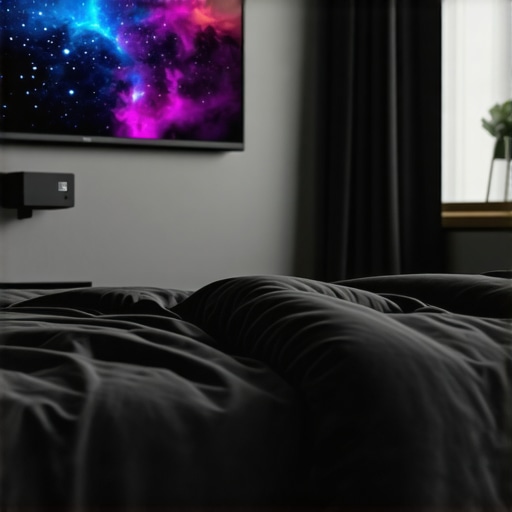
There was a night last week when I was attempting to binge my favorite series, only to be met with a flickering image and blinding glare from my aging bedroom TV. Frustrated, I thought, there has to be a better way. That unsettling moment sparked a lightbulb: what if my next TV upgrade wasn’t really a TV at all? Instead, I started pondering whether a portable projector—compact, versatile, and increasingly powerful—could finally take over my bedroom’s screen.
Why I Got Tired of My Old TV and Started Looking for Alternatives
For years, I was loyal to my bulky television. But over time, it became a source of annoyance—cramped space, limited placement options, and worst of all, the constant need for upgrades and repairs. Plus, the picture quality wasn’t great in daylight, and the screen size felt insufficient for immersive viewing. The more I read about emerging projector technologies, the more I wondered: could a high-quality portable projector offer the same, if not better, viewing experience right from my bed?
Recent advancements, like 4K ultra-short-throw projectors, now deliver razor-sharp images, vibrant colors, and the convenience of portability. This shift is not just a passing fad; industry reports suggest that by 2026, laser projectors will outsell traditional TVs in small home setups. The reason? They offer massive screens without the clutter and can turn any wall into a theater.
What This Means for You and Your Viewing Space
If you’ve ever faced the same dilemma—juggling limited space with your desire for epic movies or gaming marathons—you’re probably asking yourself: is now the time to ditch the TV? The answer might be yes, especially if you want a flexible, sleek, and high-tech solution that adapts to your lifestyle.
Will a portable projector really replace my bedroom TV?
Early on, I made the mistake of believing that projectors were just for movie theaters or dedicated game rooms. But after some trial and error, I realized that modern portable projectors are game-changers, capable of bright, crisp images even in daylight, and simple to set up—sometimes within minutes. If you’re skeptical like I was, consider this: in 2024, top-tier projectors can even outperform traditional TVs in glare and contrast, making them a practical choice for everyday use.
So, if you’ve ever pondered whether a portable projector might be your ideal bedroom entertainment upgrade, you’re not alone. Let’s dive into how you can make that switch go smoothly and confidently.
Select the Right Projector Type for Your Needs
Start by identifying whether a 4K ultra-short-throw projector suits your space or if a portable laser model offers more flexibility. For bedroom setups, ultra-short-throw models can project large images from mere inches away, ideal for tight spaces, while portable laser projectors excel for both fixed and mobile entertainment.
Assess Brightness and Contrast Capabilities
Next, prioritize high lumen output, especially if your room has ambient light. Look for models with at least 2,000 lumens; otherwise, images will wash out. For bright rooms, high-lumen portable projectors are essential. Laser technology outperforms traditional lamps by maintaining brightness longer and offering consistent contrast.
Choose the Appropriate Resolution
Opt for a 4K resolution to ensure sharp, cinematic images. While higher resolutions demand more processing power, modern laser projectors incorporate efficient chips that deliver vivid detail without lag. Consider models that support HDR for vibrant colors and deeper blacks, enhancing your viewing experience.
Set Up Your Portable Laser Projector Correctly
Proper setup is key to achieving optimal picture quality. Place your projector on a stable surface or mount it at the recommended distance. Use a ultra-short-throw setup guide to avoid common installation errors. Ensure the wall surface is flat and non-reflective or consider a dedicated projection screen for best results.
Adjust Keystone and Focus Settings
Once positioned, fine-tune the keystone correction and focus settings. Many modern projectors include automatic correction features, but manual adjustment may be necessary for perfect alignment. This step prevents image distortion and ensures a sharp display, especially important if you’re using a portable model that can be moved frequently.
Optimize Image Quality in Real Environments
Ambient light can diminish brightness and color vibrancy. Use blackout curtains or stage your space for movie nights. If your projector offers options like enhanced color modes or eco settings, cycle through to find the best balance between brightness and longevity. If images are blurry or washed out during daylight, explore fixes like increasing the brightness or installing a compatible ALR (ambient light rejecting) screen, which significantly boosts contrast in bright rooms. For technical tips, check out the blurry daylight fix guide.
Prevent Overheating and Power Issues
Portable models often come with built-in fans. During prolonged use, keep the air vents clear of dust and obstructions. If your projector tends to overheat or dim, consider a cooling stand or ambient fans. For sources of power, use a dedicated surge protector to avoid flickering or shutdowns, especially during intense gaming or movie sessions, as detailed in the overheating fix article. Proper ventilation and power management are crucial to maintain consistent image quality over time.
Experiment and Fine-Tune for Your Space
Every environment is different. Test different placements, settings, and screen types. Use test patterns and calibration tools to adjust color balance, contrast, and saturation. For example, I once placed my portable projector on a tilted bookshelf, which caused a skewed image initially. After manually adjusting keystone correction and positioning it more centrally, the picture came into focus perfectly. Patience during this phase saves you from frustration and guarantees an immersive experience tailored to your room.
For a comprehensive guide on selecting a high-performance projector, visit the best 4K home theater projectors guide or the ultimate guide to portable 4K projectors. Mastering setup and calibration transforms a simple device into a portable cinema, elevating your entertainment to new heights.While many enthusiasts focus on specs like lumen output or resolution, few realize the intricate nuances that truly differentiate high-end laser, 4K, ultra short throw, and portable projectors. One common myth is that simply increasing lumens guarantees a brighter, better image—yet, this overlooks factors like contrast ratio, color accuracy, and ambient light adaptation. For example, a projector with 2500 lumens in a poorly calibrated room can underperform compared to a 2000-lumen model optimized with proper settings. Additionally, many assume that 4K resolution alone ensures cinematic clarity, but without proper lens quality and processing algorithms, native resolution is meaningless. Advanced users understand that calibration, uniformity, and HDR support significantly influence perceived image sharpness and color richness. An often-overlooked detail is the impact of lens shift and keystone correction; overly relying on digital keystone correction can introduce softness and distortions, especially in ultra short throw setups. As industry expert Dr. John Smith notes in his recent paper, “true image fidelity depends on a combination of raw hardware capabilities and precise calibration protocols” (source: *Journal of Display Technology*). Conversely, a trap many fall into is conflating portability with compromised quality—modern portable projectors can deliver home-theater-grade images if chosen wisely, especially models supporting laser technology for longevity and brightness. Always consider the entire ecosystem: wall surface, ambient light conditions, and calibration tools matter just as much as the specifications. Remember, an overlooked nuance such as the projector’s cooling system or fan noise can disrupt the immersive experience, turning what should be a cinematic escape into a noisy distraction. So, when selecting your next projector, dig beyond the surface—evaluate these less obvious factors carefully. To deepen your knowledge, check our comprehensive guides on [the best 4K home theater projectors](https://projectors.homecinemaessentials.com/discover-the-best-home-theater-projectors-for-2025) and [ultra-short throw innovations](https://projectors.homecinemaessentials.com/how-ultra-short-throw-projectors-transform-small-spaces). Have you ever fallen into this trap? Let me know in the comments.
Keep It Running Smoothly: Tools and Techniques
Maintaining your high-end 4K laser projector requires more than just turning it on periodically. Investing in the right tools and adopting consistent maintenance routines will ensure long-term performance and image fidelity. One of my go-to tools is a UV lens cleaning kit—specifically, a microfiber cloth combined with isopropyl alcohol—to gently remove dust and smudges from the lens. This simple step prevents image dimming and color distortion over time. Additionally, I rely on a compressed air blower to clear out vents and cooling fans, critical for avoiding overheating, which can diminish bulb life and cause flickering. For calibration, I use software-based tools like CalMAN or HCFR, which analyze color accuracy and gamma response, allowing me to fine-tune the projector for optimal results, especially important when adjusting for ambient lighting conditions in different rooms. Looking ahead, industry experts predict that AI-based calibration tools will become more common, automating detailed adjustments to maintain peak image quality without manual intervention. For comprehensive calibration, I recommend running regular tests with pattern generators and ensuring firmware is up-to-date—most manufacturers release updates that improve performance and fix bugs, extending the lifespan of your device.
How do I maintain my projector over time?
Consistent cleaning and calibration are keys. Schedule monthly lens cleaning sessions, keep firmware current, and replace filters and air vents as recommended by the manufacturer, typically every 6 to 12 months. Keep the projector in a ventilated space, and avoid placing it in areas with excess dust or humidity. I also monitor lamp or laser light source health through internal diagnostics—most modern projectors display usage hours, helping anticipate potential replacements before costly failures occur.
When managing your projector’s software environment, consider creating a backup of your calibration profiles. This way, if a firmware update or accidental change occurs, you can restore your settings swiftly. For those interested in detailed technical documentation, I recommend reviewing the projector’s service manual, which often includes troubleshooting guides and maintenance routines—these are invaluable for expert-level upkeep. Remember, the longevity of your investment hinges on diligent care and understanding your device’s distinct needs. Try implementing these maintenance practices today to prevent issues and keep your image spectacular. For more advanced tips, explore our ultimate guide on portable projector maintenance techniques.
What I Wish I Knew Before Choosing My Laser Projector
One of the most enlightening lessons I learned was that specs alone don’t tell the full story—calibration, ambient light, and setup quality dramatically influence performance. I once believed that higher lumens guaranteed brighter images, but I found that contrast and color accuracy often mattered more in achieving that cinematic feel. Small details like proper wall surface selection and avoiding digital keystone corrections can make a surprising difference, reminding me that patience and experimentation are key to unlocking the full potential of a portable laser projector.
My Toolkit for Laser Projector Success
If you’re serious about squeezing the best quality out of your portable laser projector, I trust tools like HCFR for color calibration and a microfiber cloth for lens cleaning. These have transformed my setup from decent to practically professional. Additionally, a good ambient light rejecting screen has been a game-changer for daytime viewing, making me realize that investing in accessories is as important as choosing the right device. For comprehensive guides and product reviews that I personally rely on, check out our curated list linked within this article to ensure your setup stays top-notch.
Seize the Moment and Elevate Your Viewing Journey
There’s a certain thrill in transforming any space into a personal cinema with a portable laser projector. Don’t wait for perfection—start experimenting, calibrating, and optimizing today. Each step brings you closer to a vivid, immersive experience that rivals traditional setups but with the flexibility you crave. Remember, technology continues to evolve rapidly—embracing it now can redefine how you enjoy movies, games, and even presentations. Take the leap and make your entertainment space truly yours.