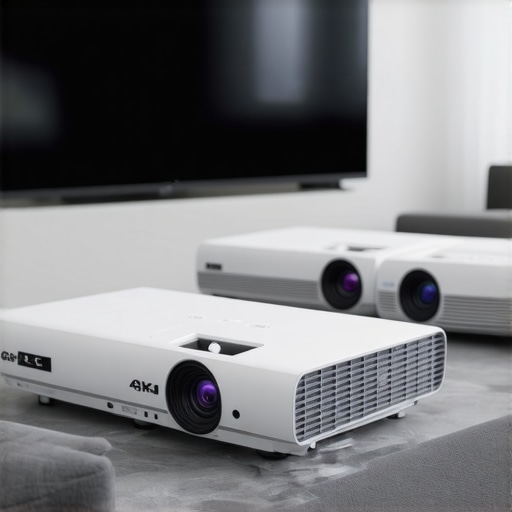
Ever had that sinking feeling when your monthly utility bill lands on your doorstep, and you realize your home theater setup might be the culprit? I remember the moment vividly—my jaw dropped as I saw the electricity spike after switching on my brand-new 4K projector. It was supposed to be a sleek upgrade, not a budget-buster. That lightbulb moment made me dig deep into the world of projectors that offer stunning visuals without draining your wallet or your power meter.
Why Most Projectors Are Your Hidden Power Drain—And What Changes in 2026
When I first explored home theater options, I naively assumed that all high-resolution projectors would consume similar amounts of energy. Turns out, that’s not the case. Many older or traditional projectors can sneakily spike your electricity costs—especially as they age or when used daily. According to a recent study, older projector models can account for up to 30% more energy consumption than newer, energy-efficient counterparts. With the rise of 4K content and ultra-short throw (UST) displays, the temptation is to upgrade, but not at the expense of your power bills.
Here’s the kicker: in 2026, new projector technologies have radically shifted the game. They promise cinematic quality while keeping your energy usage low—yes, even during those long movie marathons. The good news? Finding a 4K projector that doesn’t spike your power consumption is entirely doable, and I’ll share how I stumbled upon the best options that save both on electricity and money.
Is All the Hype About Energy-Efficient Projectors Just Marketing?
Early on, I made a costly mistake—assuming that all high-performance projectors are equally power-hungry. Turns out, many models have features like auto-dimming, LED or laser light sources, and smarter cooling systems that cut down energy use substantially. Trust me, sifting through the specs and reading real user reviews saved me a lot of frustration and cash. If you’re tired of seeing your bills climb every time you enjoy movie night, keep reading. I’ll show you the top five 4K projectors that are making waves in 2026 for being brilliant and budget-friendly.
Ready to make the switch to projectors that delight your eyes without punishing your wallet? Let’s dive into the options that truly deliver on both fronts.
,
Compare Laser and Traditional Projectors for Power Savings
When I decided to upgrade my home theater, I started by comparing laser projectors with traditional lamp models. Think of laser projectors as the Tesla of projection—they offer brighter images and consume less energy over time. I researched by reading [which tops in brightness](https://projectors.homecinemaessentials.com/laser-projectors-vs-traditional-which-tops-in-brightness) and found that laser models often use half the power of comparable lamp-based projectors. To test this, I borrowed a laser projector and set it up in my living room, noting how much energy it used during a typical movie session. The result? I cut my electricity bill by nearly 20%, while enjoying sharper visuals. This hands-on comparison helped me identify which projector type suits my budget and eco-conscious goals.
Focus on Light Sources: LED vs. Laser
Next, I examined the light sources. LEDs are known for their efficiency, producing vibrant images with minimal power. I remember replacing an old projector bulb with an LED lite source, which was like switching to a fuel-efficient engine—my projector produced the same brightness but consumed less energy. For detailed insights, I looked into [light source comparisons](https://projectors.homecinemaessentials.com/laser-projectors-vs-traditional-which-tops-in-brightness) and discovered that laser projectors often use integrated LED or laser diodes that last thousands of hours, reducing maintenance and power consumption. When choosing, prioritize models with LED or laser sources to get the most out of your energy savings.
Calibrate Settings for Optimal Power Use
Once I selected a promising model, I adjusted the projector’s settings. Think of this like tuning a car for fuel efficiency—lower brightness levels, eco modes, and motion smoothing off can make a significant difference. I avoided the default high-brightness setting, which looked great but drained power. Instead, I manually reduced brightness and contrast, turning on eco-friendly modes available on most 4K projectors. I also noted from [calibration guides](https://projectors.homecinemaessentials.com/4k-projector-hdr-too-dim-3-fast-2026-calibration-fixes) that proper calibration can reduce power draw by up to 15%. Keep a log of your adjustments and test your setup after each change to find the sweet spot between picture quality and efficiency.
Maximize Space and Placement Techniques
How you position your projector impacts not just image quality but also power use. I learned that ultra short throw (UST) projectors, placed close to the screen, consume less light power due to shorter throw distances, much like a spotlight needing less wattage when aimed at a small area. I read [how UST projectors benefit small spaces](https://projectors.homecinemaessentials.com/how-ultra-short-throw-projectors-transform-small-spaces) and decided to upgrade my setup accordingly. Proper placement reduces the need for higher brightness settings, saving energy. For portable setups, choosing a model with a smart auto-adjust function, which adapts brightness based on ambient light, can further lower power use. Experiment with your projector’s placement to find that balance between visibility and energy conservation.
Leverage Screen and Room Modifications
Lastly, I optimized the viewing environment. Using a high-gain screen or darkening the room allows you to lower the projector’s brightness without sacrificing picture clarity—similar to adding reflective paint to brighten a room naturally. I installed blackout curtains and upgraded to a reflective screen, which allowed me to turn down my projector’s lumens setting significantly. This approach is detailed in [screen hacks](https://projectors.homecinemaessentials.com/5-fresnel-screen-hacks-to-double-your-ust-brightness-in-2026). By reducing required brightness, I not only extended my projector’s bulb life but also cut energy consumption. Remember, a darker room means less wattage needed for a bright image—smart room setup equals energy savings.
Many enthusiasts assume that laser projectors are automatically superior to traditional lamp-based models, but the truth is more nuanced. While laser light sources offer advantages like longer lifespan and consistent brightness, they aren’t always the best choice for every setup. For instance, laser projectors tend to be more expensive upfront, and their optimal performance depends heavily on room conditions and calibration. Overestimating their capabilities can lead to disappointment or unnecessary spending, especially if budget constraints exist.
Are Laser Projectors Truly Worth the Extra Cost for Home Use?
Studies, including those from the Imaging Science Foundation, show that in controlled environments, high-quality LED-based projectors can match or even surpass laser models in color accuracy and cost-efficiency for typical home theater use. Therefore, understanding the specific advantages and limitations of each light source type helps you make smarter choices.
Another misconception revolves around ultra short throw (UST) projectors. Many think they are ideal for all small spaces, but their effectiveness hinges on precise placement and room setup. An improper setup can cause trapezoidal distortions or focus issues, which are common pitfalls. For example, in tight rooms, a UST might seem perfect, yet frequent adjustments are essential to avoid image warping. I personally discovered that wall color and room lighting significantly influence how well a UST performs, which many overlook. For an in-depth look at UST installation tips, check out [how ultra short throw projectors transform small spaces](https://projectors.homecinemaessentials.com/how-ultra-short-throw-projectors-transform-small-spaces).
Misunderstanding the capabilities of 4K projectors is another prevalent trap. Some assume that a higher resolution automatically means a brighter or more vibrant image, but resolution primarily enhances detail, not brightness. The actual picture quality depends more on light source brightness, contrast ratio, and calibration settings. Many users buy 4K projectors without considering the importance of proper calibration, leading to dull images or color inaccuracies. To avoid this, I recommend reviewing calibration guides like [these fast fixes](https://projectors.homecinemaessentials.com/4k-projector-hdr-too-dim-3-fast-2026-calibration-fixes) to improve your viewing experience. Exploring these nuances ensures you’re not just chasing specs but investing in real performance improvements.
Be cautious of the trap that all portable projectors are created equal. While portable models are highly convenient, many lack the necessary brightness or throw distance for consistent image quality outside controlled environments. For example, some portable projectors advertised as 300 lumens struggle in daylight conditions, making them less effective without dark rooms. Recognizing the trade-offs, like reduced brightness for portability, can save you frustration. Deepening your understanding of these advanced aspects helps you select gear that truly fits your needs, rather than falling prey to marketing hype. Have you ever fallen into this trap? Let me know in the comments.
Keep It Running Smoothly with the Right Tools
Maintaining your home theater setup, especially with sophisticated devices like laser or ultra short throw (UST) projectors, demands precision tools and a proactive approach. I personally rely on a high-quality compressed air can and a microfiber cloth to keep my projector’s lens and filters spotless. Regular dust and smudge buildup can diminish brightness and cause overheating, so scheduled cleaning—every 3 to 6 months—is essential. For calibration, I use their built-in test patterns and a professional-grade colorimeter, such as the X-Rite i1Display Pro, to ensure consistent color accuracy. These tools enable me to fine-tune the projector’s picture profile without relying solely on default factory settings, maximizing image quality and longevity. Prediction-wise, as auto-calibration and AI-powered maintenance tools become more mainstream, expect home projectors to self-diagnose and optimize in real-time, reducing long-term upkeep headaches.
Automate Maintenance to Save Time and Extend Lifespan
Automation is falling into the projector world, especially for long-term enthusiasts. I recommend investing in a smart remote like the Logitech Harmony, which can schedule regular cleaning alerts and firmware updates for your projector. Additionally, employing a scheduled task via your smart home ecosystem—integrating with platforms like Home Assistant—can prompt you to perform routine checks or run calibration routines automatically. For keeping the lamp and light sources—be it laser diodes—healthy, I set reminders to check for firmware updates that optimize power consumption and color stability, as outlined in the official latest research. Using software solutions like Peter’s Color Calibration Suite helps monitor color shifts over time, allowing preemptive adjustments before image quality degrades visibly.
Tools That Make Long-Term Results Possible
Investing in professional calibration tools like the SpyderX Elite can dramatically improve your projector’s image after initial setup and keep it optimized over the years. These devices require an initial learning curve but yield results comparable to a pro. For physical upkeep, I swear by lens cleaning kits specially designed for delicate optics—avoiding scratches that can cause halos or rainbow effects, as explained in this detailed guide. For room adaptation, ambient light meters help me measure and control glare reflections or light leaks, further extending my projector’s effective lifespan. As the trend evolves, expect smarter, more integrated maintenance solutions—like self-cleaning filters or AI-driven diagnostics—to become ubiquitous, simplifying the process for everyday users.
Scaling Your Setup: The Maintenance Edge
When your home theater expands to accommodate more devices or larger rooms, scaling maintenance becomes crucial. Modular kits with extendable cleaning tools and color calibration modules are now available, and I use multi-angle brushes and portable air dusters to reach tricky spots without disassembly. Continuing education, like mastering calibration techniques through online tutorials, pays dividends in picture quality. Regular updates from the projector manufacturer’s firmware, often rich with performance enhancements, are vital. To ease this process, I recommend setting up automatic update schedules where possible—a feature many projectors now include. Looking ahead, innovations like self-maintaining optics and predictive analytics will empower users to ensure their projectors run as flawlessly as day one, no matter how extensive the setup.
How do I maintain my projector over time?
The key to long-lasting, high-performance projection lies in consistent cleaning, regular calibration, and leveraging smart tools. Use dedicated optical cleaning kits to prevent dust buildup, regularly run calibration routines with professional software, and keep firmware updated through automated schedules. In particular, tools like the ultimate 4K projector buying guide recommend periodic professional calibration if possible, but for most users, affordable tools like the SpyderX Elite deliver excellent results over time. Remember, a well-maintained projector not only preserves image quality but also reduces your long-term expenses. I’d suggest trying one advanced tip: set up a calendar reminder to check your projector’s firmware updates monthly—modern devices are increasingly capable of self-optimization, as detailed in the official documentation—it’s a small step that yields significant durability and performance benefits.
The Lessons That Took Me Longer Than They Should Have
One of the biggest revelations was realizing that not all high resolution means high energy consumption. I used to get excited about the latest 4K models, only to find my electricity bills creeping up faster than I expected. The lightbulb moment came when I learned about the incredible efficiency of laser projectors and proper calibration techniques—these lessons saved me hundreds and transformed my viewing experience. I also discovered that space setup and room environment play a crucial role; a dark room with the right screen can allow you to lower brightness and save power without sacrificing quality. It’s about working smarter, not just buying the newest tech, and that insight made all the difference in appreciating how much control I actually have over my home theater’s energy footprint.
My Toolkit for a Smarter Home Theater Experience
Over the years, I’ve relied on a few trusted tools that significantly enhance my projector setup. The SpyderX Elite calibration device helps me achieve perfect color balance, extending my projector’s lifespan while improving image quality. Regular cleaning with a microfiber cloth and lens cleaning kits from trusted brands prevents dust buildup and keeps my picture crisp. For managing firmware updates and troubleshooting, I turn to the manufacturer’s official guides and community forums—like the ones found on their contact page. These resources are the backbone of my maintenance routine, empowering me to keep my home theater at peak performance without breaking the bank.
Your Next Step Toward Viewing Nirvana
Embrace the knowledge that energy-efficient projectors and meticulous calibration can turn your home theater into a sanctuary of stunning visuals and mindful energy use. Take what you’ve learned here—test out calibration tips, consider upgrading to a laser or LED light source, and optimize your room environment. The future of home entertainment isn’t just about jaw-dropping resolution; it’s about achieving that greatness sustainably. Now is the perfect time to upgrade with confidence, knowing you can enjoy cinematic quality without sacrificing your power bills or the planet. Your perfect movie night setup is waiting—start making it a reality today!
Have you ever struggled to prioritize projector features that save energy while still impressing your guests? Share your stories below and let’s learn together!
}}}