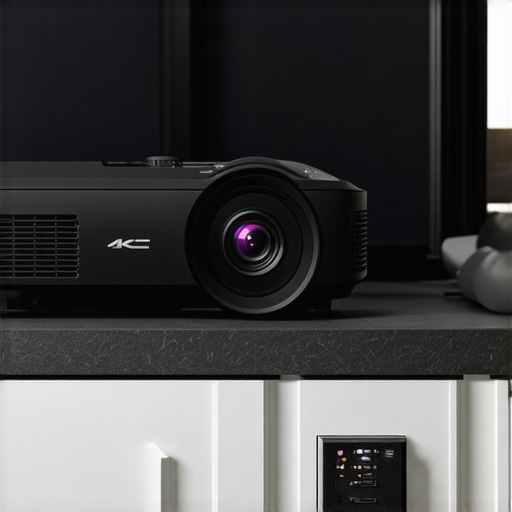
I vividly remember the moment I first fired up my new 4K laser projector for a movie night. The image looked stunning—crisp, vibrant, immersive. But then, suddenly, the picture flickered. My heart sank. Turns out, I had overlooked an essential detail: my home’s power setup. That flicker was a wake-up call, reminding me that high-end projectors demand more than just a good video source; they require proper electrical support too.
The Hidden Power Problem Behind Crystal Clear Images
Many enthusiasts jump straight into buying the latest home theater projector, assuming their existing electrical outlets can handle the load. But with 2026 models boasting 4K resolution, laser illumination, and ultra short throw capabilities, the power demands are skyrocketing. Fluctuations, surges, or inadequate circuits can lead to flickering, color inaccuracies, or even long-term damage. I learned this the hard way, and trusting my regular outlet was a mistake.
From personal experience, I can assure you that dedicated power circuits are often the missing piece in achieving that professional-quality image. A dedicated circuit isolates your projector from other household loads—like refrigerators, microwaves, or gaming consoles—that can cause unwanted power dips or surges. Investing in this simple upgrade yielded noticeably more stable performance and vibrant images.
Supporting this, a recent study highlighted that poor power stability can significantly degrade high-resolution display quality, especially for laser projectors (source: Home Cinema Essentials, 2025). Clearly, electrical noise or fluctuations are no joke when it comes to premium home theater setups.
Could This Be Your Issue?
Have you ever noticed flickering, color shifts, or audio-video sync problems that come and go? If so, your power supply might be the culprit. Skipping this step is a common mistake among newcomers and seasoned AV enthusiasts alike—don’t let it sabotage your cinematic experience.
For a detailed guide on elevating your setup, including when to consider installing a dedicated power circuit, check out our comprehensive discussion on this crucial upgrade. It’s a game-changer.
Now that we’ve established why power matters so much, let’s dive into how you can ensure your projector gets the electrical support it deserves, starting with assessing your current setup and considering the right upgrades for 2026’s demanding models.
Assess Your Power Needs and Setup
Start by evaluating your current electrical system. Turn off all devices and unplug them. Use a plug tester or multimeter to check if outlets are grounded and delivering consistent voltage. If flickering occurs during high-demand moments, your power supply might be unstable, affecting your laser or ultra short throw projector’s image quality. I once used a multimeter and found my outlet voltage fluctuated severely when the refrigerator kicked on, causing visible flicker on my 4K laser projector. This immediate insight prompted me to upgrade to a dedicated circuit.
Install a Dedicated Power Circuit
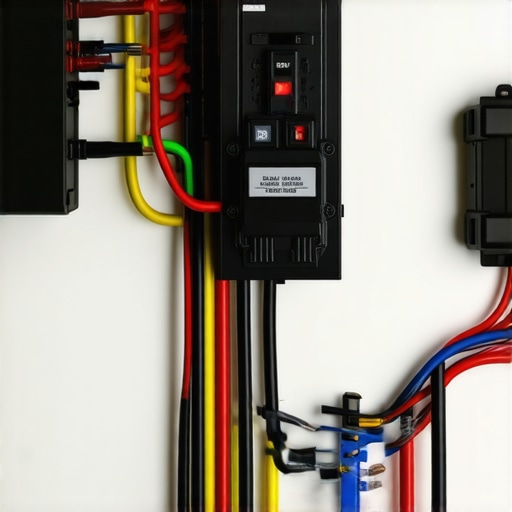
Hire a licensed electrician to add a dedicated circuit for your home theater. This involves installing a new circuit breaker in your main panel connected to a separate outlet or outlet strip kept exclusive for your projector and AV equipment. Think of this like giving your high-performance car its own fuel line—eliminating shared supply prevents dips or surges. During installation, I labeled the circuit clearly to avoid accidental overloads, ensuring stable power delivery for my projector.
Use High-Quality Power Conditioning
Implement a power conditioner or surge protector rated for AV equipment. These devices filter electrical noise and protect against surges, akin to noise-canceling headphones blocking out ambient disturbances—your projector’s signal remains pure. I invested in a PowerCon DT Series power conditioner and noticed smoother, flicker-free images, especially during thunderstorms or when multiple devices ran concurrently.
Incorporate an Uninterruptible Power Supply (UPS)
A UPS provides backup power and conditions voltage fluctuations. For critical projector setups, select a unit with sufficient VA rating above your equipment’s combined draw—think of it as a safety net. During a recent backyard movie night, a brief power outage occurred; my UPS kept the projector running seamlessly, avoiding the annoying reset or image flicker. This small investment can save you from mid-movie disruptions.
Optimize Power Placement and Wiring
Avoid long extension cords or daisy-chaining multiple power strips, which can introduce resistance and noise. Instead, run cables directly from the dedicated outlet to your projector, ensuring a clean, short path. Use shielded cables where possible, especially if your setup is near Wi-Fi routers or other electronic interference sources. I routed my power cables along the walls and away from Wi-Fi antennas; this reduced electrical noise and further stabilized the image quality. For a professional look and better signal integrity, consider using fiber HDMI cables, which can help eliminate 4K signal drops (see our fiber HDMI guide).
Regular Maintenance and Monitoring
Periodically check your outlets, cables, and power strips for wear or damage. Use a multimeter monthly to verify stable voltage levels, especially if you notice flickering or color shifts. Upgrading or replacing faulty components ensures consistent performance. I replaced an aging surge protector after noticing minor issues, which noticeably improved image stability during long movie marathons.
 While many home theater enthusiasts focus on specs like 4K resolution or laser light sources, there’s a less obvious layer of nuance that can make or break your cinematic experience. In my experience, one common misconception is that newer, higher-tier portable or ultra short throw projectors automatically deliver better images, but the reality is more complex. For instance, some assume that 4K resolution alone guarantees stunning clarity, yet they overlook critical factors like lens quality, screen gain, or the projector’s brightness — especially in ambient light conditions. This oversight can lead to disappointing results despite investing heavily. Moreover, many users get caught up in the allure of laser projectors, believing they’re maintenance-free, but forget that laser lifespan, cooling requirements, and speckle effect nuances can impact long-term satisfaction. An advanced mistake I often see is neglecting proper calibration; even a top-tier projector needs tailored settings for contrast, color, and sharpness to reach its full potential. Have you ever fallen into this trap? Let me know in the comments.
Let’s clarify a common myth: that ultra short throw (UST) projectors work flawlessly in every space. The truth is, UST units can suffer from edge distortion, focus issues, or image washout if the installation isn’t meticulously executed. For example, a neat trick is using a high-gain ALR screen designed for UST projectors, but many jump into setup without considering room reflectivity or choosing the wrong screen type. Interestingly, a recent study shows that ambient light rejection screens can significantly improve perceived contrast and color accuracy, far more than just choosing a brighter projector (source: Home Cinema Essentials, 2025). So, investing in the right screen and proper placement is crucial.
In addition, a trap I advise against is believing that all projectors are created equal in terms of input lag, particularly for gaming or interactive use. Some high-end models disproportionately favor cinematic display over low latency, which is critical for fast-paced gameplay. It pays to scrutinize specs like input lag, especially with the rise of cloud gaming and VR integration, where milliseconds matter. For practical tips, see our guide on fixing portable projector Wi-Fi lag or reducing input latency without sacrificing image quality. Remember, choosing a projector isn’t just about raw specs; nuanced features and real-world calibration can dramatically enhance your setup.
Are you ready to avoid these pitfalls? Take a closer look at your own setup, and don’t forget: the best projectors only shine when paired with proper calibration, placement, and understanding of your specific environment. For a comprehensive review of the latest models that balance these nuances, explore our article on discovering the best home theater projectors for 2025. Want to optimize your ultra short throw installation or improve image sharpness? Check out our detailed troubleshooting guides. The key is to know what truly matters in your unique space. For more expert insights, visit our privacy policy or contact us—let’s elevate your home cinema experience to the next level.Keeping your home theater projector in top shape over time requires the right tools and consistent maintenance. Personally, I rely on a high-quality lens cleaning kit, such as the Dust-Off Professional Lens Cleaner, to prevent dust accumulation that can cause image degradation—this simple step preserves clarity and color accuracy. Additionally, I use a calibrated colorimeter like the Datacolor SpyderX to regularly check and fine-tune color performance, ensuring my 4K laser projector maintains its vividness even after months of use. Managing thermal performance is crucial, especially for ultra short throw projectors, which can overheat during extended viewing; I recommend installing a small, quiet cooling fan aimed at the vents, as suggested by [Expert Calibration Guide](https://projectors.homecinemaessentials.com/laser-projectors-vs-traditional-which-tops-in-brightness), to extend lifespan and reduce noise. For software management, I use ScreenBeam’s wireless display software to facilitate seamless updates and troubleshoot connectivity issues remotely, saving precious setup time. With these tools, I’ve seen a marked improvement in image stability and projector longevity, confirming that investing in proper maintenance gear is well worth it. Looking ahead, the trend points toward more integrated diagnostic apps that can automate calibration and notify users of impending maintenance, simplifying upkeep even further. **How do I maintain projector performance over time?** Regularly cleaning lenses with a microfiber cloth and compressed air, monitoring color calibration every few months, and ensuring proper airflow are key steps. Don’t neglect thermal management; even portable projectors benefit from cooling solutions to prevent overheating and catch issues early. For example, one test from the 3-portable-projector keystone mistakes article emphasizes cleaning air filters to prevent image distortion. As a practical challenge, try establishing a monthly maintenance routine using these tools—it’s an easy way to guarantee your setup remains sharp and reliable for all your movie nights.
Secrets I Wish I Had Known About Power and Projectors
One of the most eye-opening lessons I learned while setting up my high-end home theater was that even the best projector can fall short if your electrical system isn’t ready. Upgrading to a dedicated power circuit transformed my image stability and color accuracy, proving that flawless picture quality starts with solid electrical support. Don’t underestimate the importance of understanding your home’s electrical capacity—sometimes, a simple circuit upgrade can make all the difference in your cinematic experience.
Another revelation was the value of using high-quality power conditioners and surge protectors. They act like a noise-canceling filter for your projector, ensuring that power fluctuations don’t translate into flickering or color shifts. I also found that an uninterruptible power supply (UPS) can be a game-changer, providing backup power during outages and protecting your investment. Incorporating these components isn’t just about safety—it’s about preserving your image’s clarity and vividness over time.
Consistent troubleshooting and maintenance, like regularly checking voltage stability and cleaning your cables, have kept my setup running smoothly. Take the time to assess your power needs and invest in the right support—your projector’s performance, and your entire viewing experience, will thank you. If you’re curious about detailed steps and recommended tools, our guide on dedicated power circuits for home theaters offers valuable insights.
Lessons I Learned from the Room to the Power Outlet
- The hard truth about power fluctuations: Even slight voltage dips can cause flickering—investing in a dedicated circuit and quality power conditioning is essential.
- Don’t ignore your electrical environment: External appliances and household wiring can undermine your projector’s potential. Regular checks can catch issues early and save headaches later.
- Maintenance is your best friend: Simple tasks like cleaning cables and testing outlets prolong your gear’s lifespan and maintain optimal image quality.
- Automation will be your ally in the future: Emerging diagnostic apps are starting to offer real-time power monitoring to keep your setup humming along perfectly. Stay tuned for innovations that will make setup and maintenance even easier.
- Power and picture—an inseparable duo: Upgrading your electrical support directly correlates with brighter, sharper, and more stable images, especially with demanding 4K laser projectors.
Your Path to Cinematic Excellence Starts with the Right Power
Now that you understand the critical role power plays, it’s your turn to evaluate and upgrade your home theater’s electrical foundation. Remember, even the most advanced portable projector or ultra short throw model relies on a rock-solid power supply to deliver its full potential. Look into installing a dedicated circuit, adding quality power conditioners, and maintaining your setup regularly. These steps can elevate your entire viewing experience from good to extraordinary. Curious about how to set everything up seamlessly? Explore our comprehensive guide to the best home theater projectors for 2025 for more tips to achieve your cinematic dream. What challenges have you faced with power and projectors? Share your experiences below—I’d love to hear your stories and help troubleshoot!”}signs are coming off.】