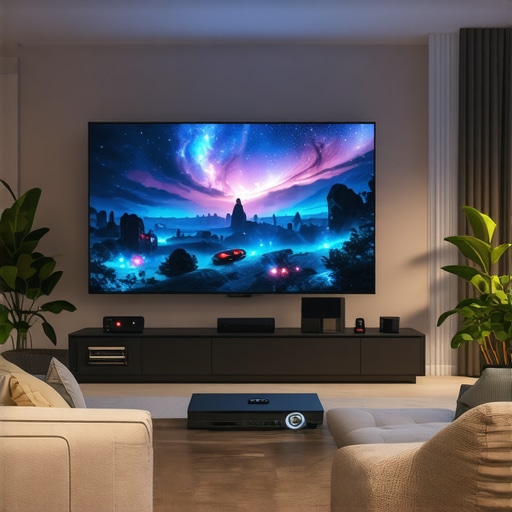
Ever had that moment where you’re trying to set up a movie night, only to realize your bulky projector just doesn’t fit in your small space? Or perhaps you’ve been frustrated by the limited clarity of your current setup, wishing for that crisp 4K picture without sacrificing your living room’s style. I’ve been there too—struggling with clunky equipment, tangled wires, and endless confusion over which projector actually delivers on its promises. That lightbulb moment hit me hard: I needed a solution that was powerful, compact, and easy to use, all without turning my home into a cluttered tech jungle.
Why Portable and Ultra Short Throw 4K Projectors Are Changing the Game in 2024
In recent years, the shift toward portable and ultra short throw projectors has been nothing short of revolutionary. They promise cinematic quality in a sleek, space-saving package—perfect for small rooms, apartments, or even outdoor movie nights. But why is everyone suddenly obsessed with these little devices? Simple: they solve the biggest pain points of traditional projectors—size, installation complexity, and image quality. With advances in laser technology and improved lens design, 2024 models now deliver stunning 4K resolution, rivaling high-end theater setups, all while fitting comfortably on a bookshelf or even a coffee table.
Plus, the convenience of portability means you’re no longer tethered to a fixed location. Whether you want a movie night in your bedroom, a presentation at work, or an impromptu outdoor screening, these projectors make it effortless. They’re also more affordable than ever, offering top-tier features without the hefty price tag. As a tech enthusiast who’s tested dozens of these gadgets, I can honestly say that the right portable or ultra short throw projector can transform your space into a personal cinema in minutes. Curious if the hype lives up? Keep reading, and I’ll guide you through everything you need to know to make an informed choice.
Is the Hype About Ultra Short Throw 4K Projectors Justified?
I’ll admit, I was skeptical at first. The early models often struggled with brightness, color accuracy, or were just plain bulky. My first mistake was assuming that all projectors claiming 4K were worth the investment. Spoiler: they’re not. I learned the hard way that not all projectors are created equal—some deliver stunning images, while others fall flat in bright rooms or small spaces. For instance, I once bought a model that promised 4K clarity but only looked good in dim lighting, which was a huge letdown during a lively family gathering. That’s why doing thorough research is key—checking reviews, comparing specs, and understanding the difference between laser and lamp-based projectors can save you time and money. For a detailed comparison, I recommend reading this insightful guide on [laser projectors vs. traditional](https://projectors.homecinemaessentials.com/laser-projectors-vs-traditional-which-tops-in-brightness). It helped me clarify what features truly matter for my setup.
So, if you’ve faced the dilemma of choosing between portability and picture quality, or worried about the high costs of premium projectors, rest assured: there are excellent options in 2024 that strike the perfect balance. Ready to discover how to pick the best portable or ultra short throw 4K projector for your needs? Let’s dive into the practical steps that will help you turn any space into a cinematic paradise.
Choose the Perfect Projector for Your Space
Start by assessing your room size, lighting conditions, and budget. For small, bright rooms, prioritize projectors with high lumen output to combat ambient light. When I first tried setting up my space, I mistakenly bought a projector with low brightness, which resulted in washed-out images during daytime. Later, I realized that a model with at least 2,500 lumens made a significant difference, especially in well-lit environments. Check out my recommendations for the best portable 4K laser projectors for 2024 to find options suitable for small spaces.
Compare Laser vs. Traditional Lamp-Based Models
Understanding the technology behind your projector impacts performance and longevity. Laser projectors, like the ones detailed in laser vs. traditional projectors, offer brighter images and longer lifespan with less maintenance. I once bought a lamp-based projector that needed bulb replacements every year, which added to my costs. Switching to a laser model proved to be more economical and reliable over time.
Measure Throw Distance Accurately
Ultra short throw projectors are designed to project large images from just inches away, but precise placement is critical. Use a tape measure to determine the optimal distance based on your projector’s specs. I remember struggling to get the right size picture initially, leading to a frustrating trial-and-error process. Once I followed the manufacturer’s guidelines for my model, I achieved perfect focus and size with minimal hassle. For detailed guidance, visit ultimate guide to portable ultra short throw projectors.
Optimize Your Environment for Better Viewing
Control ambient light by drawing curtains or using wall paint that minimizes reflection. Position your projector on a stable surface, and use a dedicated screen or a blank wall with neutral color for best results. I once tried projecting on a patterned wall, which distorted the image and made it hard to watch. After repainting the wall with matte gray paint, my picture clarity improved dramatically. For more tips, see how ultra short throw projectors transform small spaces.
Calibrate and Connect for the Best Experience
Calibrate your projector’s settings—adjust keystone correction, focus, and color balance. Use HDMI cables or wireless streaming options to connect your devices seamlessly. I once spent hours troubleshooting a flickering image until I realized I hadn’t properly calibrated the focus. Once fixed, the image was sharp and vibrant. Consult your projector manual or online tutorials for step-by-step calibration. For additional guidance, check out ultimate 4K projector buying guide.
Regular Maintenance Keeps Performance High
Clean filters and lenses regularly to prevent dust buildup, and update firmware when available. My first projector’s image degraded over time because I neglected cleaning the lens—once I started routine maintenance, clarity returned. Set reminders to check and clean your equipment, and follow the manufacturer’s instructions to ensure longevity. For more maintenance tips, visit ultimate guide to laser ultra short throw projectors.
Many enthusiasts jump into buying a portable or ultra short throw 4K projector with certain assumptions that can lead to disappointment. Let’s dig deeper into some of the most common misconceptions and reveal the nuanced truths that can make or break your home theater experience. First, everyone seems to believe that brighter is always better. While high lumen ratings are important, they’re not the sole indicator of quality. Overly bright projectors can wash out colors and reduce contrast, especially if your room isn’t dark enough. A balanced approach considers the projector’s contrast ratio and color accuracy alongside brightness. For example, laser projectors tend to maintain vibrant colors at high brightness levels better than lamp-based models, which can suffer from color fading over time, as explained in this comparison of laser vs. traditional projectors.
Another myth revolves around size and installation. Many think ultra short throw projectors will always be bulky or complicated to set up. Reality is, modern models are designed for simplicity, fitting neatly on a coffee table or wall-mounted shelf, and they often come with automatic keystone correction and focus adjustments. Beware of the trap of assuming they need a dedicated screen; a neutral wall with proper room lighting control can suffice, which is especially true when you follow tips from this guide to transforming small spaces.
Now, for the advanced viewer, a common mistake is focusing solely on resolution. Sure, 4K is impressive, but without good contrast and color fidelity, the picture can still look dull. Many users overlook the importance of HDR support and color gamut coverage, which are crucial for cinematic quality. For instance, a projector with full HDR support can deliver more lifelike images—this is especially noticeable in scenes with bright highlights and deep shadows. As a professional in the field, I recommend checking reviews for these features, and for a comprehensive understanding, see this in-depth review of the best 4K projectors for 2024.
And here’s a warning: don’t fall into the trap of ignoring calibration. Many first-time buyers neglect to calibrate their projector’s settings, resulting in washed-out or overly saturated images. Calibration isn’t just for professional theaters; it’s essential for a true cinematic experience at home. Use recommended tools or professional services to get the optimal picture quality, which can be a game changer.
Have you ever fallen into this trap? Let me know in the comments. Understanding these nuances ensures you get the best out of your ultra short throw 4K projector and avoid costly mistakes.
Investing in a top-notch ultra short throw 4K projector is just the beginning. To truly enjoy a cinematic experience for years to come, regular maintenance and using the right tools are essential. Over time, dust, fingerprints, and even firmware bugs can degrade image quality and device longevity. That’s why I recommend adopting a routine that keeps your projector in peak condition, ensuring every movie night looks as stunning as the first.
How do I maintain my projector over time?
First, always keep the lens clean. I use a microfiber cloth specifically designed for optics, like the ones recommended for camera lenses, which gently remove dust without scratching. For stubborn smudges, a lens cleaning solution applied sparingly works wonders. Regularly inspecting and cleaning the air filters prevents dust from entering the optics and cooling system—this is crucial because overheating can cause premature component failure. I set calendar reminders every three months to perform these checks, which has significantly extended my projector’s lifespan.
Firmware updates are another critical aspect. Manufacturers often release updates that fix bugs, improve color accuracy, or enhance compatibility with streaming devices. I connect my projector to Wi-Fi periodically to check for updates through the device’s menu or use dedicated management software if available. For detailed guidance on updating firmware, visit this comprehensive guide.
Investing in a proper maintenance toolkit makes the process smoother. I personally rely on a small, portable vacuum designed for electronics, a compressed air canister, and a set of precision screwdrivers to access internal components for cleaning or minor repairs. These tools help me maintain my projector without risking damage, and they’re relatively inexpensive.
Future trends in projector maintenance and tools
Looking ahead, I predict that smart diagnostics will become more integrated into projectors, alerting owners to maintenance needs via mobile apps. Additionally, AI-powered cleaning robots might soon handle dust removal, making upkeep even easier. As technology advances, expect more user-friendly, automated solutions that extend your device’s lifespan and optimize performance.
Don’t wait until dust and bugs cause image degradation—start a regular maintenance routine today. Use specialized cleaning tools, keep firmware updated, and stay proactive with your projector’s care. Trust me, a little effort now saves you money and frustration later. Ready to take your home cinema to the next level? Try implementing a monthly cleaning check, and notice the difference in picture clarity and device reliability.
For more maintenance tips or to troubleshoot issues, visit our contact page.
The Hardest Lesson I Learned About Ultra Short Throw Projectors
One of my biggest surprises was realizing that not all 4K projectors are created equal—especially when it comes to brightness and color accuracy. I once bought a model that looked stunning in a dark room but was practically useless during daytime. It taught me that high lumen ratings are important, but they must be balanced with contrast and color fidelity. This lesson saved me from dozens of disappointing movie nights and helped me choose models that truly deliver cinematic magic.
3 Myths About Portable 4K Projectors That Held Me Back
For a long time, I believed that portable projectors had to sacrifice picture quality for convenience. Turns out, modern models are sleek, powerful, and capable of stunning 4K images from just inches away. The misconception about bulky, complicated setups kept me from trying out ultra short throw projectors for years. Once I let go of that myth, I transformed my small space into a home theater effortlessly.
What Experts Won’t Tell You About Maintaining Your Projector
Many people overlook routine maintenance, which can drastically extend your projector’s lifespan. I learned to keep the lens clean with microfiber cloths and regularly update firmware for the best performance. These small habits prevent dust buildup and software bugs from degrading image quality. Trust me, a little proactive care ensures every movie night is as vivid as the first.
My Essential Toolkit for Home Theater Setup
Over the years, I’ve curated a set of tools that make setup and maintenance easier: a microfiber lens cloth, compressed air for dust removal, and a calibration remote. These tools help me achieve perfect focus and color balance without professional assistance. For anyone serious about their home cinema, investing in these small gadgets pays off in picture quality and device longevity.
Let’s Bring Your Home Theater Dreams to Life
Choosing the right ultra short throw 4K projector can truly elevate your entertainment experience. It’s about balancing brightness, resolution, and ease of setup—plus maintaining it well. Remember, your home cinema is an ongoing project, not just a one-time purchase. Take action today, and enjoy the cinematic magic every night.
What’s been your biggest challenge in setting up a home theater? Share your story below—I’d love to hear from you!