Have you ever tried to create the perfect movie night at home, only to be frustrated by bulky equipment or mediocre picture quality? I’ve been there—struggling with giant projectors that don’t fit in my small apartment or settling for less-than-stunning images because I thought portable meant sacrificing quality. That lightbulb moment hit me hard when I finally realized that the right compact, high-resolution projector could transform my space into a true home theater—without the hassle.
Why Portable 4K & Laser Projectors Are a Game-Changer in 2024
Today, more than ever, consumers demand convenience without compromising on experience. Imagine a projector that’s not only easy to carry around but also delivers crisp, vibrant 4K images thanks to laser technology. This isn’t just a dream; it’s now a reality in 2024. According to a recent Statista report, the portable projector market is expected to grow significantly in the coming years, driven by innovations that make ultra-short-throw and laser projectors more affordable and accessible.
What does this mean for you? It means you can have a compact device that easily fits into your lifestyle, whether you’re hosting a movie night in your living room, setting up an outdoor cinema, or taking your entertainment on the go. The technology behind these projectors has advanced so much that you no longer need a dedicated media room or a huge budget to enjoy cinematic quality at home.
In this guide, I’ll walk you through the best portable 4K and laser projectors for 2024, share my personal experiences, and help you find the perfect fit for your space and needs. If you’ve ever faced the challenge of balancing size, quality, and convenience, keep reading. We’re about to make your home entertainment setup smarter, sleeker, and way more fun.
Is 4K & Laser Projection Actually Worth the Hype?
Many skeptics ask whether investing in a portable 4K laser projector is truly worthwhile. I admit, when I first started exploring this tech, I made the mistake of assuming that smaller size would mean lower quality. Turns out, I was wrong. Early on, I overlooked the importance of brightness and contrast ratios, which are critical for a satisfying viewing experience. If you’re curious about how laser projectors compare with traditional models, I recommend checking out this comparison guide.
Now, I’m confident that the right portable projector can deliver stunning images, even in well-lit rooms or outdoor environments. The key is understanding your specific needs and choosing a device that balances portability with performance. Ready to explore the top options for 2024? Let’s dive into the practical steps to find your perfect portable home cinema projector.
Choose the Right Projector for Your Needs
Start by assessing your primary use cases: outdoor movie nights, portable presentations, or a dedicated home theater setup. Think of selecting a projector like shopping for a versatile camera — you need clarity, brightness, and portability. My first attempt was buying a compact projector without researching brightness levels, which resulted in a dim image during my backyard screening. To avoid this, focus on models with at least 2000 lumens for well-lit environments. Explore options like ultra-short-throw laser projectors for small rooms or outdoor use by visiting best 4K laser projectors for 2024.
Understand Key Features and Specifications
Brightness (Lumens)
Brightness determines how vivid and clear your image will be in different lighting conditions. Think of it as the sun’s intensity during a daytime picnic—more lumens mean a brighter, more visible picture. When I upgraded my projector, I prioritized 2500 lumens, which made outdoor viewing much more enjoyable, even with ambient light. For more insights, check laser vs. traditional brightness comparison.
Resolution (4K)
Opt for true 4K resolution to ensure sharp images, especially for cinematic content. I once tried a non-4K projector, and the lack of detail was obvious during close-ups. The difference became clear when I watched a 4K movie and noticed crisper textures and finer details. For the best options, visit top 4K laser projectors for 2024.
Portability and Size
Designate a carrying case or bag for your projector, much like packing a camera for travel. I learned this the hard way when my projector’s fragile parts rattled during a trip. Compact models with integrated batteries can run wirelessly, enhancing portability. Check out portable laser UST projectors for small spaces for ideal picks.
Set Up and Calibration
Proper setup is crucial. Position your projector at the correct distance—akin to adjusting a telescope for clarity. Use a measurement tape to place your projector at the recommended distance from the screen, which varies based on your model. For ultra-short-throw options, placement is as close as a few inches from the wall, making setup simple. I once placed my projector too far back, which caused a blurry image, but once I moved it closer, the picture crisped up instantly. For detailed setup instructions, see how ultra-short-throw projectors transform small spaces.
Optimize Your Viewing Environment
Control ambient light by drawing curtains or turning off lights—think of it as dimming a room for a theater experience. Using a dedicated screen enhances contrast and color accuracy. I experimented with different wall surfaces and found that a matte white wall worked surprisingly well, though a dedicated screen yielded better results. For tips on environment optimization, visit ultimate 4K projector buying guide.
Connect and Stream Seamlessly
Use wired HDMI or wireless streaming options to connect your device. I prefer wireless streaming for its convenience, but ensuring a strong Wi-Fi connection is critical—think of it as ensuring your Wi-Fi is fast enough to stream 4K content without buffering. Many models support screen mirroring through apps like AirPlay or Chromecast. For the best compatibility, visit best laser 4K ultra-short throw projectors for 2024.
Many enthusiasts and first-time buyers alike fall prey to misconceptions about portable 4K and laser projectors, often oversimplifying their capabilities or overlooking critical details. Let’s dig deeper to uncover some hidden nuances that can significantly impact your experience. Contrary to popular belief, many assume that size always correlates with lower quality. While compact models are more portable, advancements in laser and image processing technology mean you can enjoy cinema-grade clarity and brightness even in small devices. However, it’s crucial to understand that not all small projectors are created equal. Some sacrifice contrast or color accuracy for size, so always evaluate key specs like contrast ratio and color gamut, not just resolution or lumens.
Beware the Brightness Trap
Many buyers think that a higher lumen count guarantees a better viewing experience, but this isn’t always true. In fact, exceeding necessary brightness levels can wash out colors, especially in dark-room environments. For example, a 2500 lumen projector in a controlled lighting environment can outperform a 4000 lumen model with poor color calibration. The myth that more lumens are always better can lead you to overspend on overpowered projectors that don’t deliver the color fidelity you want. For a more nuanced understanding, check out laser vs. traditional brightness comparison.
Advanced Mistake: Ignoring Calibration and Setup
Many users skip thorough calibration, assuming their projector is ready to go out of the box. This is a costly mistake. Even the most advanced projector can produce subpar images if not properly positioned, focused, or color-calibrated. For instance, a slight tilt can cause keystone distortion, reducing image quality and immersion. Proper setup is more than just plugging in; it requires attention to detail, especially with ultra-short-throw models where placement is critical. I learned this the hard way when my picture was blurry because I didn’t measure the optimal distance. For detailed setup guides, visit how ultra-short-throw projectors transform small spaces.
The Sophisticated Question: Are 4K & Laser Projection Overhyped for Home Use?
This is a common question among advanced users who wonder whether the premium features justify the cost. The truth is, the benefits are most noticeable in well-optimized environments. In well-lit rooms, 4K resolution combined with laser brightness can truly shine, providing crisp images and vibrant colors that rival commercial cinemas. But in poorly calibrated or ambient-light-heavy rooms, the difference diminishes. The key lies in understanding your specific environment and usage patterns. According to expert sources, investing in calibration tools and environment optimization yields far better results than simply chasing higher specs. For more insights, explore ultimate 4K projector buying guide.
Have you ever fallen into this trap? Let me know in the comments!
Once you’ve invested in a top-tier portable 4K or laser projector, the next crucial step is ensuring it remains in optimal condition over time. Proper maintenance not only prolongs the lifespan of your device but also preserves the stunning image quality that makes your home cinema experience so immersive. In this post, I’ll share specific tools and methods I personally use to keep my projectors functioning flawlessly, along with insights into future trends in projector maintenance.
How do I maintain my portable projector over time?
The first tool I rely on is a high-quality compressed air canister. Regularly dusting the vents and lens with compressed air prevents overheating and keeps the internal components clean. I use a dedicated lens cleaning kit, which includes a microfiber cloth, lens cleaner, and a blower brush, to gently remove smudges and debris without scratching the surface. This simple routine maintains clarity and sharpness in the projected images.
Additionally, I recommend investing in a universal power strip with surge protection. Power surges can damage sensitive electronic components inside your projector, especially during storms or power fluctuations. By plugging your device into a surge-protected strip, you safeguard your investment for the long haul.
For firmware updates and calibration, I use manufacturer-specific software tools. For example, brands like Epson and Optoma offer proprietary apps that allow you to perform remote diagnostics, update firmware, and fine-tune color settings. Keeping your software current ensures compatibility with new streaming apps and optimal performance.
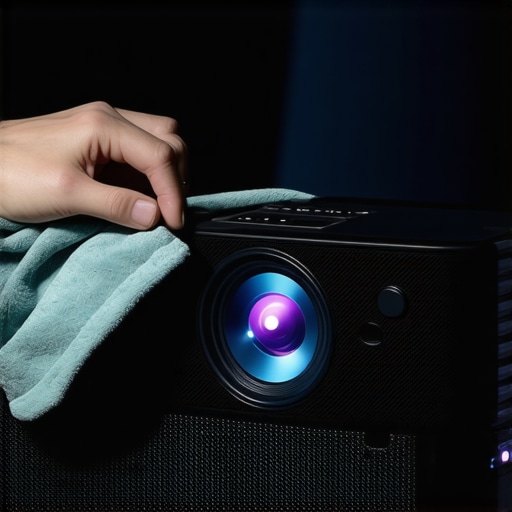
Looking ahead, I predict that future projectors will incorporate self-cleaning features and advanced diagnostics, reducing the need for manual maintenance. Some models are already experimenting with built-in air filters and auto-calibration routines that adjust focus and color balance based on environmental changes, making upkeep more seamless than ever.
To get started with maintaining your projector, try using a compressed air canister and a microfiber cloth regularly. These simple tools make a significant difference in preserving image quality and device longevity. For more detailed maintenance routines and to explore the latest in projector tech, visit our contact page.
3 Hidden Truths About Portable Projectors That Changed My Approach
One of the biggest lightbulb moments I had was realizing that not all portable projectors are created equal—despite their size. I once bought a tiny model that promised 4K resolution but ended up with a dim, washed-out image. It taught me that brightness and contrast should never be sacrificed, even in compact devices.
Another lesson I learned was the importance of calibration. Out-of-the-box settings rarely deliver the best image quality. Spending a few minutes adjusting focus, keystone, and color balance made a night-and-day difference in my viewing experience.
Lastly, I discovered that environment matters more than I thought. Ambient light can ruin a good projector’s picture. Investing in blackout curtains and choosing the right screen surface transformed my outdoor movie nights into true cinematic experiences, even with a portable projector.
My Go-To Arsenal for Maintaining Peak Performance in 2024
To keep my portable projectors performing at their best, I rely on a few trusted tools. A high-quality compressed air canister is my best friend for cleaning dust from vents and lenses—essential for longevity and picture clarity.
I also swear by microfiber lens cleaning cloths and gentle lens cleaner solutions—keeping the lens spotless makes all the difference. For software updates and calibration, I trust manufacturer-specific apps from brands like Epson and Optoma, which ensure my projector stays compatible with the latest streaming services and features.
And for power protection, a surge-protected power strip safeguards against unexpected power surges that could damage sensitive components.
Your Next Step Toward Cinematic Freedom Begins Now
Embracing portable 4K and laser projection technology has truly revolutionized how I enjoy movies, presentations, and outdoor screenings. With the right knowledge, tools, and environment, you can unlock a whole new level of home entertainment that’s flexible, stunning, and fun.
Remember, every journey starts with a single step. Whether you’re upgrading your setup or just exploring options, now is the perfect time to take action and elevate your viewing experience. Dive into the latest models, experiment with your environment, and don’t be afraid to tweak and calibrate—your perfect cinematic moment is waiting.
What’s been your biggest challenge with portable projectors? Share your story below—I’d love to hear how you’re transforming your space into a home theater!
http://James%20Monroe
Reading through this article, I can definitely relate to the challenge of balancing size and performance with portable projectors. When I first thought about investing in a compact 4K laser projector, I was wary that smaller devices might not deliver the brightness and contrast needed for outdoor use. However, after trying a couple of models, I found that the advancements in laser tech truly make a difference. It’s fascinating how some newer projectors even come with auto-focus and auto-calibration features, which really streamline setup and maintenance. I especially agree with the point about environment optimization—blackout curtains and proper placement can elevate the viewing experience considerably.
One issue I faced was ambient light interference, but experimenting with different screen surfaces—like matte white or specialized projection paint—made a noticeable difference. For those considering portability, what are your go-to tips for protecting your device during travel or outdoor setups? Also, does anyone have experience with ultra-short-throw projectors in small spaces? Would love to hear your insights on maximizing image quality in limited areas.
http://Liam%20Carter
This article really hits home for me, especially the part about calibration and environment optimization. I’ve gone through my fair share of trial and error with portable projectors. One thing I found invaluable was investing in a good, foldable blackout curtain — it transforms my outdoor setup into a near-theater experience even with ambient light. I also learned that choosing the right surface makes all the difference; a matte wall works surprisingly well, but a dedicated screen provides a more vibrant picture. I’m curious, how do others handle sound in outdoor or small indoor spaces? Do most rely on external speakers or built-in audio? I’ve found that pairing a portable projector with a compact Bluetooth soundbar really enhances the experience without adding much bulk to my setup. Also, I’ve recently started carrying a small, padded case for travel, along with extra batteries, to ensure my device stays protected and ready to go on short notice. Have any of you faced challenges with overheating or dust buildup during outdoor use? Would love to hear your tips for maintaining image quality and tech longevity in varied environments.
http://Stephanie%20Reynolds
This post made me think about how much technology has advanced in making portable projectors a real alternative to traditional setups. I remember when small devices lacked the brightness and clarity, but now, with 4K laser tech, you get cinema quality in a compact form. The point about environment calibration really resonates with me because lighting can make or break the experience, especially outdoors. I’ve found that even simple things like positioning and choosing the right wall surface significantly improve the picture.
One challenge I faced was finding a portable projector that combines long battery life with high brightness—sometimes, you need to charge more often when you’re on the go. I’m curious, what are others’ experiences with battery longevity? Do you have any tips for maximizing it during outdoor sessions? Additionally, I’d love to hear if anyone’s tried the ultra short-throw models in smaller rooms and how they’ve managed calibration for best results. Overall, this is an exciting time for home cinema—thanks for sharing such a comprehensive guide!
http://Sophia%20Bennett
I really enjoyed reading this detailed review. The emphasis on environment calibration and proper setup is so true—getting the projector close to the recommended distance and controlling ambient light makes all the difference in picture quality. One thing I discovered through my own experience is that investing in a good quality portable screen, even a foldable one, can significantly enhance the viewing experience, especially outdoors. It’s interesting how subtle differences in wall surfaces, like matte paint or specialized projection fabric, can produce such vivid, crisp images.
Regarding the challenges with battery life, I’ve found that models with larger batteries tend to drain quickly when used at high brightness settings. Do others have specific tips for extending battery life during long outdoor movie nights without sacrificing too much image quality? I’d love to hear about the strategies or models that have worked best for you. Also, what’s your go-to method for protecting your device during travel or outdoor use? Do you favor hard cases or soft bags? Looking forward to learning more from everyone’s insights here.