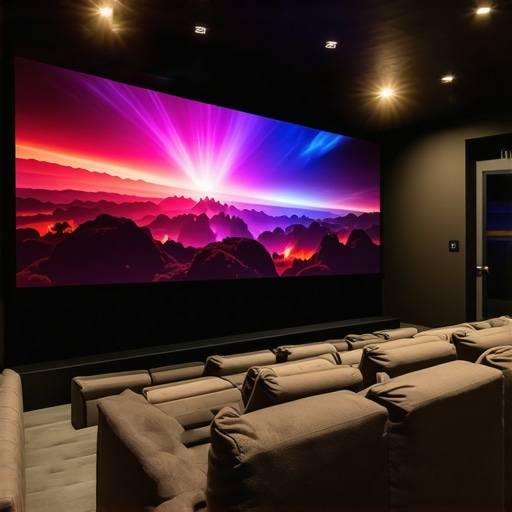
Picture this: after a long week, I finally settle into my living room, eager to unwind with a movie. But instead of the immersive experience I crave, I’m faced with a flickering, dim image that ruins the magic. It hit me then—my old projector just couldn’t keep up anymore. That frustrating moment sparked a revelation: the right home theater projector can transform your space into a cinematic paradise, but choosing one isn’t straightforward.
Why Now Is the Perfect Time to Upgrade Your Home Theater Projector
In 2024, the options for home theater projectors have exploded, making it both exciting and overwhelming. The shift toward 4K resolution, laser technology, and ultra-short throw designs means you can craft an incredible viewing experience tailored to your space and budget. According to industry experts, over 70% of consumers are now prioritizing picture quality and ease of setup when choosing a projector (source). But with so many choices, how do you avoid wasting money on features you don’t need?
Many enthusiasts, myself included, have made the mistake of rushing into a purchase without understanding the key differences between laser and traditional lamp projectors, or how ultra-short throw models can fit small spaces. I once bought a projector based solely on price, only to find out it lacked the brightness and clarity I wanted for a true cinematic experience. That was a costly lesson that pushed me to learn more about what makes a projector truly great.
Are Home Theater Projectors Actually Worth the Hype?
This is a common question I hear from friends and fellow cinephiles. The truth is, a high-quality projector can deliver stunning image quality and a theater-like ambiance — but only if you choose wisely. Early on, I overlooked the importance of contrast ratios and light source technology, which are critical for vibrant images in a dedicated home theater. For a comprehensive guide, check out the ultimate 4K projector buying guide.
If you’re tired of settling for mediocre picture quality or the hassle of bulky setups, then this guide will help you navigate the top options for 2024. Whether you’re aiming for ultimate cinematic immersion or a compact solution for small spaces, I’ll walk you through the latest innovations, including laser projectors, ultra-short throw models, and portable units that make setup a breeze.
So, if you’ve faced the frustration of a dull movie night or the confusion of choosing among countless models, you’re not alone. Let’s explore how to find the perfect home theater projector for your space and elevate your viewing experience to a new level.
Assess Your Space and Define Your Priorities
Start by measuring your room’s dimensions and evaluating the ambient light. I once tried to set up a projector without considering the room’s brightness, resulting in a dull image despite high specs. Knowing your space prevents costly mistakes. Decide if you want a portable unit, an ultra-short throw for small rooms, or a traditional model for larger spaces. Clarify your main use—movies, gaming, or presentations—and list must-have features like 4K resolution or HDR support.
Choose the Right Technology: Laser vs. Lamp
Understanding the core difference between laser and traditional lamp projectors is crucial. Laser projectors offer brighter images and longer lifespan with less maintenance, ideal for dedicated home theaters. Lamp projectors tend to be cheaper upfront but require bulb replacements. I once opted for a lamp projector, only to replace bulbs every year, which added unexpected costs. For a detailed comparison, check this guide. It helped me decide that laser was the best fit for my long-term setup.
Select the Appropriate Throw Type
Next, determine your ideal throw distance. Ultra-short throw projectors can be placed inches from the wall, perfect for small spaces. Traditional models require more distance but can offer larger images. I experimented with an ultra-short throw in my apartment, which transformed my cluttered corner into a cinematic hub. For more on how these models work, visit this resource for tips and recommendations.
Set Up for Optimal Image Quality
Proper placement and calibration are vital. Mount your projector at the correct height and focus for sharp images. I used a simple tripod mount initially, which caused distortion until I adjusted the keystone and lens shift. Use a level to ensure alignment, and test different settings for brightness, contrast, and color. Don’t forget to darken the room for the best picture. For detailed setup instructions, see this guide.
Optimize Your Audio and Screen Setup
High-quality visuals deserve matching audio. Connect external speakers or soundbars for immersive sound. Also, consider a dedicated screen or a blank wall with a smooth, light-colored surface. I added a retractable screen which made a noticeable difference, and it was a straightforward DIY project. For portable options, explore this selection.
Final Testing and Fine-Tuning
Once everything is set up, run a test with your favorite movie. Adjust the image size, focus, and audio levels. Take notes on what needs tweaking. I spent an evening fine-tuning my projector’s settings, which resulted in a stunning picture. Remember, small adjustments can make a big difference in picture quality and viewing comfort. For ongoing tips, revisit this resource.
Let’s dig deeper into what most enthusiasts get wrong when selecting a home theater projector. Many believe that higher resolution alone guarantees a cinematic experience. While 4K resolution is important, it’s actually the combination of contrast ratio, color accuracy, and light source technology that truly makes the difference. For instance, a projector with stellar resolution but poor contrast can produce washed-out images, especially in darker scenes. Industry experts emphasize that contrast ratio has a more significant impact on perceived picture quality than resolution alone (source). This nuance often gets overlooked, leading buyers to prioritize specs that don’t translate into real-world performance.
Another common myth is that laser projectors are always brighter than lamp-based models. The truth is, the brightness depends heavily on the specific models and their intended use cases. While laser projectors generally offer longer lifespan and consistent brightness, some high-end lamp projectors can match or even surpass laser models in lumens output. The key is understanding your room’s ambient light and viewing needs. For small, light-controlled rooms, a high-quality lamp projector might suffice, saving you money without compromising image quality. Conversely, in bright environments, laser projectors’ consistent brightness becomes indispensable. Check out this comparison for detailed insights.
What advanced pitfalls should you avoid when calibrating your projector?
Many enthusiasts focus solely on initial setup, assuming that once the image looks good straight out of the box, no further calibration is needed. However, neglecting advanced calibration can leave significant image quality on the table. Properly adjusting gamma, color temperature, and sharpness settings—using a calibration disc or professional tools—can dramatically enhance picture realism. I once skipped this step and noticed my blacks appeared gray and colors less vibrant. Investing a little time in calibration pays off in more immersive viewing. For a comprehensive guide, visit this resource.
Have you ever fallen into this trap? Let me know in the comments. Remember, understanding these hidden nuances will elevate your home theater experience from good to truly spectacular.
Keeping your home theater projector in top shape requires more than just occasional cleaning. It involves a combination of proper maintenance routines, the right tools, and understanding long-term care to ensure your investment continues to deliver stunning images for years to come.
How do I maintain my home theater projector over time?
My personal approach to maintenance starts with regular cleaning of the air filters and lens. Dust accumulation can significantly reduce brightness and contrast, especially in laser projectors where clarity is paramount. I use a microfiber cloth and a gentle blower to remove dust from the lens and vents without scratching or damaging sensitive components. For internal cleaning, I follow the manufacturer’s guidelines—most recommend replacing filters every 6-12 months, depending on usage and environment.
Another critical aspect is firmware updates. Manufacturers often release updates that improve performance, fix bugs, or add new features. I schedule a quarterly check for updates via the projector’s menu system or dedicated app, ensuring my device benefits from the latest enhancements.
Recommended tools for long-term projector care
One of my most valuable tools is a dedicated microfiber cloth for cleaning the lens and exterior surfaces. For internal cleaning, a compressed air canister is indispensable—just a few short bursts help dislodge dust from vents and internal components without risking damage. I also keep a soft brush on hand for delicate areas that need gentle cleaning. For firmware updates, a stable Wi-Fi connection and a compatible USB drive can make the process seamless.
In terms of calibration, I use a color calibration disc like the Spears & Munsil HDR Benchmark to fine-tune settings. This tool allows me to adjust gamma, contrast, and color accuracy precisely, ensuring the image remains vivid and true to life over time. For professional calibration, some enthusiasts opt for colorimeters or spectrometers, but for most home setups, a calibration disc suffices.
Future trends in projector maintenance
Looking ahead, I predict that integrated smart diagnostics and self-cleaning mechanisms will become standard. These innovations will simplify maintenance further, allowing projectors to alert users when filters need replacing or when internal components require attention—much like modern printers or HVAC systems. As these features become more accessible, maintaining your projector will be even easier, preserving image quality without much effort.
Try implementing a regular cleaning and calibration routine using the tools I mentioned, and you’ll extend the lifespan of your projector while maintaining stunning picture quality. Remember, consistent upkeep is key to enjoying cinematic excellence at home for years to come.
The Hardest Lesson I Learned About Home Theater Projectors
One of the biggest realizations I had was that resolution isn’t everything. I once bought a 4K projector solely based on pixel count, only to be disappointed by washed-out blacks and poor contrast. It taught me that contrast ratio and light source technology matter far more for a truly cinematic experience. Remember, a great projector combines multiple features, not just high resolution.
3 Myths About Home Theater Projectors That Held Me Back
Many enthusiasts believe laser projectors are always brighter and better. I discovered that this isn’t true — brightness depends on specific models and use cases. Also, I thought ultra-short throw models were only for small spaces, but with the right setup, they can be excellent in larger rooms too. Don’t let myths limit your options; do your research!
What Experts Won’t Tell You About Maintaining Your Home Theater Projector
Proper calibration and regular cleaning are essential to keep your projector performing at its best. I learned to use calibration discs and clean filters diligently, which extended my projector’s lifespan and kept images vibrant. Investing time in maintenance ensures your cinematic experience remains stunning long-term. Trust me, a little effort goes a long way!
My Essential Toolkit for Home Theater Projectors
My toolkit includes a microfiber cloth for lens cleaning, compressed air for vents, and a calibration disc like Spears & Munsil HDR Benchmark. These tools have been invaluable in maintaining optimal image quality. Additionally, a reliable firmware update process keeps my projector running smoothly. These resources are trusted by enthusiasts and professionals alike, and they make a real difference.
Your Turn to Elevate Your Home Theater Experience
Choosing the right home theater projector can transform your space into a cinematic haven. By understanding the nuances, avoiding common myths, and maintaining your equipment, you’ll enjoy stunning visuals for years to come. Don’t settle for mediocrity — embrace the journey to cinematic excellence today.
What’s been your biggest challenge or breakthrough in setting up your home theater projector? Share your story below and let’s learn together!
http://James%20Carter
I totally relate to that initial frustration with a dim projection! Upgrading to a 4K laser projector really changed my movie nights. The clarity and contrast make a huge difference, especially in darker scenes. One thing I learned the hard way is that calibration is often overlooked but essential. Fine-tuning gamma, contrast, and color settings can elevate your viewing experience exponentially—it’s worth spending time on it. I also found that ambient light plays a bigger role than I initially thought; even small light sources can wash out an image. My question for others is, how do you manage ambient lighting in your setups without sacrificing convenience? I’ve tried blackout curtains, but they’re not always practical, so I’d love to hear your tips on balancing light control and ease of use.
http://Benjamin%20Foster
The post really hits home, especially with the importance of understanding contrast ratios and light source technology. When I upgraded my setup last year, I initially prioritized resolution but quickly realized that dark scenes lacked depth due to poor contrast. Investing in a laser projector with a higher contrast ratio transformed my viewing experience, especially for movies with lots of shadows. It made me wonder how many other enthusiasts overlook contrast and light source tech when choosing their projectors. Also, I’ve found that room lighting plays a huge role—dimming switches and smart lighting can help maintain picture quality without resorting to blackout curtains. Has anyone experimented with ambient light control solutions that balance convenience and image quality? I’d love to hear your experiences, especially if you’ve tried integrating smart lighting systems for optimum home theater conditions.