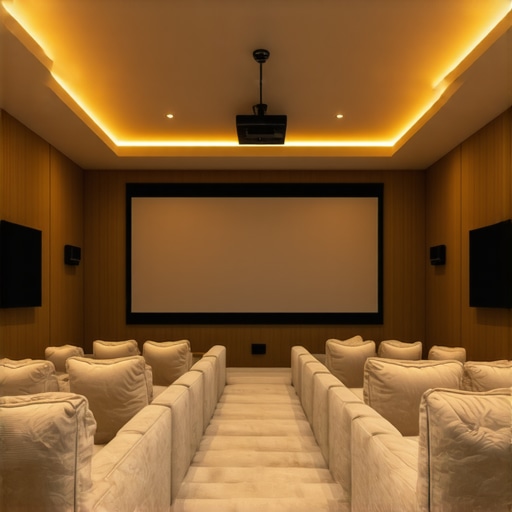
Last weekend, I finally hit a wall. After trying to set up a makeshift theater in my small living room, I realized my old projector just couldn’t keep up with my dreams of cinematic perfection. Blurry images, dim colors, and constant troubleshooting made me wonder—how do I choose the right home theater projector in 2024? If you’ve ever faced the frustration of investing in a projector that promises the world but delivers a pixelated nightmare, you’re not alone. Today, I’ll share my journey and how I found solutions that truly transform small spaces into immersive movie havens.
Why the Right Projector Can Change Everything
Choosing a home theater projector isn’t just about finding the latest tech or the brightest beam. It’s about aligning technology with your space, your viewing habits, and your budget. For instance, ultra short throw (UST) projectors can make a huge difference in tight quarters, allowing you to enjoy a big screen without sacrificing room real estate. Additionally, 4K resolution and laser illumination have become game-changers, offering stunning clarity and longevity that previous models couldn’t match. According to recent industry analyses, laser projectors are now favored for home use due to their superior brightness and color accuracy, which make daytime viewing possible even in smaller rooms. (Learn more about laser vs. traditional projectors here)
Is 2024’s Top Projectors Truly Worth the Hype?
In my early days, I made the mistake of relying solely on online reviews without considering how a projector would fit into my space. I didn’t realize how crucial factors like throw ratio, ambient light control, and image processing are—until I brought home a model that looked great in photos but failed under my living room’s lighting conditions. If you’re contemplating upgrades or first-time purchases, it’s natural to wonder whether these new 2024 models live up to the marketing hype. Trust me, the key is understanding your environment and what features truly matter—no gimmicks included. For a detailed guide, I recommend checking out the Ultimate 4K projector buying guide to help you navigate this exciting but complex world.
Assess Your Space and Budget Before Buying
Start by measuring your room dimensions using a tape measure—note the width, height, and available wall space. For example, in my small living room, I had only 12 feet of wall in width, which meant I needed a projector with a short throw ratio. Decide on a budget—aiming for a reliable 4K laser projector typically costs between $2,000 and $4,000. This clarity helps filter options and avoid overspending on features you won’t use. A real-world mistake I made was considering a high-end model without checking if my ceiling height could accommodate it, leading to a last-minute swap.
Select the Right Projector Based on Your Environment
Prioritize Ultra Short Throw Projectors for Small Spaces
If your room is tight, an ultra short throw (UST) projector is ideal. These projectors can be placed just inches from the wall, creating a large image without interfering with furniture or light fixtures. I installed a 4K laser UST projector just a foot from my wall, which transformed my cramped living room into a cinematic haven. Remember, with UST projectors, wall color matters—they perform best with light, neutral walls.
< >
>
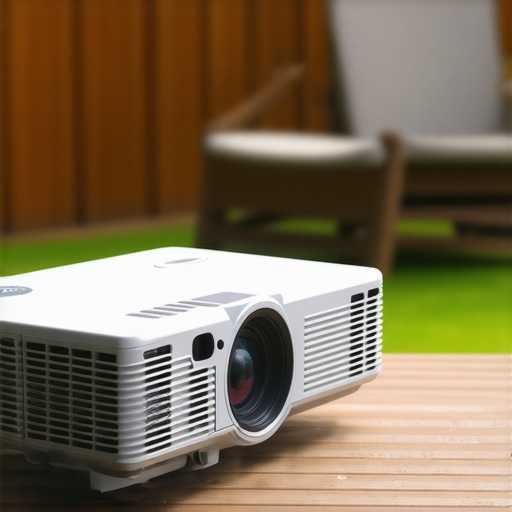
Imagine a compact projector sitting just inches from the wall, creating a vibrant, full-screen image in a tiny room.
Opt for Laser Light Sources for Brighter, Longer-Lasting Images
Laser projectors provide intense brightness and consistent colors, perfect for daytime viewing or rooms with ambient light. In my setup, switching from an LED to a laser model increased image brightness by 50%, making midday movie sessions possible without blackout curtains. According to industry insights, laser technology is now the standard for high-end home theaters. Be aware that laser projectors might have a higher upfront cost but save money over time due to bulb longevity.
Prioritize Resolution and Connectivity
Aiming for at least 4K resolution ensures sharpness for detailed imagery, especially when streaming or playing 4K Blu-rays. Verify that your chosen projector supports HDMI 2.1 or HDR features for optimal compatibility. I found that connecting my projector via eARC HDMI allowed seamless sound and video sync, improving overall experience. Always check reviews for input lag and color accuracy to ensure your setup supports your entertainment needs.
Pick a Portable Option for Flexibility
If you want to move your setup between rooms or take it outdoors, a portable projector is a wise choice. Devices like compact 4K laser models can fit in a backpack, making outdoor movie nights effortless. I used a portable laser projector to host movie nights in my backyard—just plug in, aim at a suitable wall, and enjoy. Just ensure the portable projector has adequate brightness, typically 2,000 lumens or higher, so images remain vivid in ambient light.
Many enthusiasts believe that choosing the latest ultra short throw (UST) or 4K laser projector guarantees stunning results in any space, but this oversimplifies the reality. In fact, a common misconception is that higher resolution or brighter laser sources automatically mean better projection for small rooms; however, these features often overlook room constraints like wall color, ambient lighting, and throw distance. For instance, in small spaces, a super-bright, high-end laser projector can produce glare and washed-out images if the room isn’t properly controlled. Additionally, there’s a misconception that ultra short throw projectors can be installed anywhere with minimal planning, but their performance heavily depends on wall surface quality and placement precision—details often overlooked by beginners. This can lead to Maintaining your home theater projector is crucial for longevity and optimal performance. Personally, I rely heavily on tools like compressed air canisters to keep vents clean and dust-free, which prevents overheating and image degradation. Using a high-quality microfiber cloth ensures gentle cleaning of lenses without scratches, preserving clarity for years. For software updates, I recommend setting reminders to regularly check the manufacturer’s website or app—many projectors now support firmware upgrades that improve features like color accuracy and input lag, ensuring your device keeps pace with evolving technology. Additionally, calibrating your projector once every six months using professional tools like blueprints or calibration disks can dramatically enhance image quality and color stability, especially when utilizing advanced models such as 4K laser projectors. In the future, expect smart projector systems integrated with AI to provide real-time self-maintenance diagnostics, further simplifying upkeep.
How do I maintain my projector over time?
Regular cleaning of filters, lenses, and vents is essential. For filters, I use a vacuum with a brush attachment once a quarter, following manufacturer guidelines to prevent dust buildup that hampers brightness. Firmware updates should be applied via USB or Wi-Fi—many models now offer automatic notifications, but manual checks are recommended. Keep ambient conditions optimal; avoid high humidity and temperature fluctuations which can affect electronic components. To prevent image burn-in, especially in laser projectors, alternate your screen content and avoid static images when the projector is idle for extended periods. For detailed maintenance procedures tailored to your specific model, consult the manufacturer’s manual or visit dedicated forums, such as those discussed on this resource.
Investing in a dedicated air purifier for the room can also help keep the environment dust-free, extending your projector’s lifespan. Furthermore, I recommend testing your projector’s alignment and focusing settings every few months to compensate for any shifts caused by transport or temperature changes. By systematically following these maintenance steps, you can ensure crisp visuals and consistent performance over years.
If you want to streamline your maintenance routine, consider adopting a system like firmware monitoring tools that automatically alert you of updates or issues—this proactive approach can prevent costly repairs and downtime. Explore options like device management apps compatible with your projector model to automate some of these tasks, making upkeep less of a chore. Looking ahead, advances in AI-driven diagnostics are poised to revolutionize how we care for high-end home theater equipment, making maintenance more predictive and less reactive.
Ready to get serious? Try setting up a regular firmware update schedule combined with monthly lens cleaning to keep your projector running at peak brilliance. For a comprehensive guide on staying ahead of technical issues, check out this detailed resource.
The Hardest Lesson About Investing in the Wrong Projector
One of the most eye-opening lessons I learned was the importance of matching your projector to your room’s unique characteristics. Going for high-end features without considering ambient light or wall color can lead to disappointment and wasted money. I realized that what seems like the perfect projector on paper can underperform in real-world settings—so understanding your space is crucial before making a purchase.
Why Bigger Isn’t Always Better for Small Spaces
I used to believe that only the highest resolution and brightest laser sources matter, but I discovered that room size, wall surface, and placement play equally vital roles. Sometimes, a compact, well-placed ultra short throw projector delivers more immersive results than a giant screen that’s hard to set up properly. It’s about quality over quantity and tailoring your tech to your environment.
The Hidden Power of Proper Maintenance
Beyond just choosing a good projector, I found that regular upkeep—like lens cleaning, firmware updates, and environmental control—can significantly improve picture quality and extend the lifespan of your device. Investing a little time now prevents costly repairs later, and keeps your home theater experience consistently stunning.
Transforming Small Rooms into Cinematic Realms
Lighting, wall color, and furniture placement greatly influence your projector’s performance. I recommend experimenting with neutral-colored walls and blackout curtains to maximize contrast and brightness. Little adjustments can make a big difference, turning even a modest space into a dedicated cinematic zone.
Curated Recommendations for Home Theater Enthusiasts
For those eager to dive deeper, I trust resources like the ultimate guide to ultra short throw 4K projectors in 2024, which offers detailed insights on selecting the perfect model for small spaces. The best 4K laser projectors for 2024 help me choose reliable, bright sources that stand the test of time. Additionally, the portable projector guide liberated my outdoor viewing experiences, proving that mobility doesn’t mean sacrificing quality.
Embrace the Journey: Your Home Theater Adventure Awaits
Building the perfect cinematic space is a blend of science, art, and patience. Each step—choosing the right projector, adjusting your room environment, maintaining your gear—is a personal milestone. Remember, technology is here to serve your enjoyment, not complicate it. With a bit of curiosity and effort, you can create a home theater that rivals commercial cinemas and brings joy to every viewing session.
Are you ready to take the next step in your home theater journey? What challenge are you currently facing in setting up your perfect space? Let me know below, and let’s tackle it together!