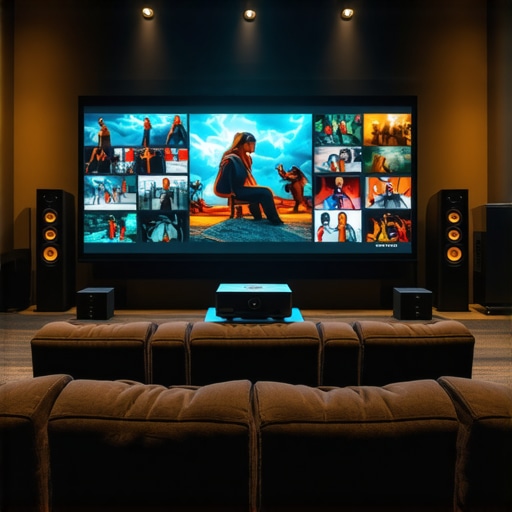
Imagine finally settling in after a long day, eager to unwind with your favorite movies, only to realize that your old projector just can’t deliver the immersive experience you crave. I remember the moment I faced this exact frustration; the picture was dim, colors faded, and I felt cheated out of that cinematic magic. It was clear that my setup needed a serious upgrade. If you’re nodding along, you’re not alone—many cinephiles struggle with mediocrity in home entertainment, especially when it comes to choosing the right projector. Today, I’ll share how I navigated the overwhelming array of options to find my ideal 4K home theater projector for 2024, and more importantly, how you can do the same. Whether you’re dreaming of ultra-short throw brilliance or portable convenience, this guide promises to cut through the noise. Have you ever bought a projector only to be disappointed? If so, keep reading, because I understand that dilemma—and I’ve got your back. The key is understanding what truly matters for your space and watching habits, and that’s what we’re about to explore. According to industry reports, the market for home theater projectors is expected to grow significantly in 2024, driven by advancements in resolution, brightness, and smart features, making it more vital than ever to choose wisely. Now, let’s dive into the world of 4K projectors and what makes a great choice for your home cinema in 2024.
Assess Your Space and Viewing Needs
Before diving into specs, evaluate your room’s size, ambient light, and seating arrangement. For smaller rooms, an ultra-short throw projector can project a large image from close distances, saving space and reducing glare. In contrast, larger rooms may benefit from standard or laser projectors with higher lumen output. I once measured my basement’s low ceiling and cramped corners, leading me to opt for a compact portable model that fit perfectly without demanding extensive setup.
Determine Your Budget and Core Features
Create a clear budget, but prioritize essential features like 4K resolution, high brightness, and color accuracy. Think of it as choosing a camera—you want sharp detail, vivid colors, and good performance in your lighting conditions. I initially hesitated over a more affordable model, but realizing I needed at least 2000 lumens for daytime viewing led me to invest in a laser projector with enhanced brightness, which substantially improved my viewing experience.
Select the Right Projection Technology
Decide between traditional lamp-based, LED, or laser projectors. Laser models, such as those discussed on laser projectors, offer superior brightness and longevity but at a higher cost. I experimented with a cheap LED mini projector, which struggled in my bright living room, before upgrading to a laser model that maintained vivid images even in daylight.
Focus on Throw Ratio and Screen Size Compatibility
The throw ratio determines how close the projector needs to be to fill your screen. For tight spaces, an ultra-short throw projector can produce large images from feet away, perfect for small apartments or desktops. When I tried mounting a standard projector in my compact lounge, the image was tiny, but switching to a short-throw model transformed my setup into a true home theater.
Evaluate Color Performance and Image Quality
High dynamic range (HDR) support enhances contrast and color depth. Opt for projectors with good color calibration, especially if you plan to watch cinematic content. I personally found that calibrating my projector with specialized software, available through guides like buying guides, elevated my picture quality from decent to stunning.
Review Connectivity and Smart Features
Ensure your projector supports streaming apps, HDMI, and wireless casting. Some models include built-in smart platforms, eliminating the need for external devices. For my setup, selecting a projector with integrated Wi-Fi and app support simplified my entertainment, allowing direct streaming from my phone.
Test and Fine-Tune Your Setup
Once installed, adjust keystone, focus, and color settings. Don’t hesitate to experiment; small tweaks can significantly enhance image clarity. I recall spending an afternoon tweaking my projector’s angle and picture settings, resulting in a crisp, cinematic presentation that rivaled commercial theaters. Using proper calibration ensures that your investment delivers the immersive experience you crave, whether you opt for a portable unit or a fixed installation. Implementing these steps will help you troubleshoot issues and refine your home theater over time.
Many home theater enthusiasts jump into upgrading their projectors with high expectations, but often miss nuanced truths that can make or break their experience. One widespread myth is that all 4K projectors are created equal—yet, in reality, the difference between true 4K and fake 4K is significant, and many budget models use pixel-shifting technology that can compromise sharpness and detail. Relying solely on resolution specs without considering HDR performance or color accuracy can lead to disappointment. Additionally, the assumption that ultra-short throw projectors automatically suit small spaces is misleading; their effectiveness depends heavily on room layout and ambient light control, as discussed on [this guide](https://projectors.homecinemaessentials.com/ultimate-guide-to-ultra-short-throw-4k-projectors-for-small-spaces).
Are Higher Lumen Ratings Always Better for Bright Rooms?
Many believe that increasing lumens guarantees brighter images, but this can be a trap. Excessive brightness in a small room can cause glare and washed-out images, reducing contrast and overall quality. Laser projectors typically offer higher lumen outputs, but their real advantage lies in consistent brightness over time and better color performance, as shown in studies from industry experts. Choosing the right brightness involves matching lumen ratings to your room’s ambient light and screen size, rather than blindly opting for the highest number available.
Another nuance often overlooked is the true cost and maintenance of laser projectors. While they boast longer lifespans and lower replacement costs compared to traditional lamp models, initial prices can be steep, and some units may require specific cooling or ventilation arrangements. It’s a common mistake to ignore these logistics, leading to unexpected expenses or setup challenges. Searching for affordable yet reliable laser options? Check out [these top picks](https://projectors.homecinemaessentials.com/top-laser-affordable-4k-projectors-for-small-space-home-cinema-2024).
For portable projectors, there’s a misconception that size equals quality. In fact, portable models can deliver impressive visuals with the right optics and processing—just don’t expect the same brightness or contrast as dedicated home theater units. The key is understanding your environment and selecting a model that balances portability with image quality. Want an in-depth comparison? Consider exploring [these portable options](https://projectors.homecinemaessentials.com/best-portable-ultra-short-throw-4k-projectors-for-ultimate-home-theater-in-2024).
Ultimately, the secret to a satisfying home theater setup is understanding these subtleties and avoiding oversimplified assumptions. Do you fall into any of these traps? Let me know in the comments.
Remember, thorough research and critical evaluation of specs against your room’s unique needs will help you avoid costly mistakes and unlock the full potential of your projector setup.
Tools and Techniques for Reliable Performance
Maintaining your 4K projector, especially a laser or ultra short throw model, requires the right set of tools and consistent routines. First, I recommend investing in a high-quality air blower, like the Dust-Off compressed air can, to regularly clean vents and filters without risking damage. Dust and debris can significantly impact brightness and color accuracy over time.
Second, calibration software such as CalMAN or LightSpace is invaluable for fine-tuning image settings, particularly if you’ve noticed color drift or reduced contrast. I personally use LightSpace, which allows me to run thorough color tests and ensure my projector maintains cinematic-level color fidelity. Regular calibration—every 6 to 12 months—keeps the picture sharp and vibrant, even after prolonged use.
Third, keep a dedicated cleaning cloth and lens cleaner solution designed for optical surfaces to wipe lenses gently when smudges or fingerprints appear. Proper handling of lens surfaces prevents unnecessary wear and preserves image clarity. Remember to power down and unplug your projector before cleaning to avoid electrical issues or damage.
Long-Term Results Are Worth the Effort
Consistent maintenance translates into longer-lasting equipment and a consistently stunning viewing experience. Laser projector models, with their longer lifespan, still benefit from routine cleaning to prevent dust accumulation that can diminish brightness. Tools like image calibration disks or test patterns can help you verify that your projector delivers the intended picture quality after each maintenance session.
Looking ahead, the trend towards smart, self-dimming projectors with integrated diagnostics might automate some maintenance tasks, but until then, manual routines remain essential. Features like built-in filters and modular design in top-tier models simplify upkeep, making it easier for enthusiasts to preserve image quality over years of use.
How do I maintain my projector over time?
Establish a regular cleaning schedule, including dust removal and lens inspections. Use appropriate tools like compressed air and optical cleaners. Keep software and firmware up to date using manufacturer tools, which ensure your projector benefits from performance improvements and security patches. Additionally, avoid exposing your projector to extreme temperatures, high humidity, or direct sunlight, as these conditions accelerate wear and degrade components. For comprehensive guidance on calibration and maintenance, visit this ultimate guide. Be proactive: setting a monthly reminder to inspect and clean will keep your home theater setup performing at its best. Don’t forget to check out latest innovations to see if newer models offer maintenance advantages. Try implementing a cleaning and calibration routine today—you’ll be amazed at the difference it makes in longevity and picture quality.Recently, I discovered that even after investing in a high-end 4K laser projector, subtle calibration tweaks can unlock a whole new level of cinematic immersion I didn’t realize was possible. This lightbulb moment taught me that the devil is in the details—multi-point image calibration, ambient light management, and maintaining equipment can dramatically enhance your viewing experience. Trust me, overlooking these little yet impactful adjustments may leave your setup feeling good but never truly spectacular. Another lesson my journey revealed is that the most hyped features, like ultra-short throw or portability, aren’t always the ideal fit for every space—they’re tools, not universal fixes. That realization helped me avoid overspending on gadgets I didn’t need and focused my budget on what truly mattered for my environment. I also learned that small investments, such as high-quality calibration disks and dust filters, can preserve your projector’s performance longer than simply chasing the latest model. It’s the everyday tweaking, routine cleaning, and assessing your room’s ambient conditions that turn a good projector into an unforgettable cinematic portal. Finally, I wish I’d known earlier that the most reliable projectors are often those with great after-sales support and firmware updates—your ongoing partner in delivering consistent quality, even as technology evolves. These nuances, once understood, transformed my home theater from a nice setup into a source of daily joy. Don’t underestimate the value of patience and proactive maintenance—these are the secret ingredients behind long-lasting, awe-inspiring images. Want to elevate your own space? Dive into the world of tailored settings and thoughtful care, and watch your home theater dreams come alive.