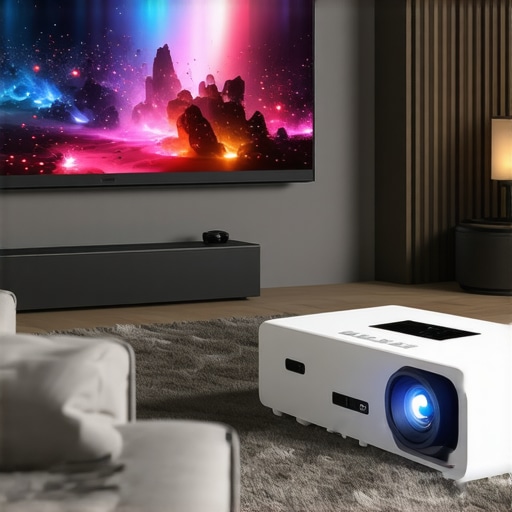
Imagine hosting friends for movie night, eagerly setting up your new projector, only to realize the picture is smaller than your smartphone screen, or the room’s layout makes it nearly impossible to get that cinematic experience without damaging your walls. I had that moment last year; I bought a fancy projector, thinking I was finally creating a home theater, only to be greeted with a tiny, washed-out image because I didn’t consider placement constraints. It was frustrating, but it also ignited my quest to find practical, high-quality 4K projectors perfect for small spaces and on-the-go setups.
In 2024, the options are better than ever, but the market can be overwhelming. Ultra short throw projectors promise movie theater scale from mere inches away, ideal for compact rooms, while portable models offer cinematic clarity wherever you go. But how do you select a device that genuinely matches your needs without breaking the bank or settling for disappointment?
Today, I’ll guide you through the most important factors to consider, drawing from my experience and expert insights, so you can finally enjoy a true home theater setup, whether in a cozy apartment or your outdoor space.
How to Pick a 4K Projector That Fits Your Space and Style
Remember, the key is understanding your space and what you prioritize — be it size, portability, or image quality. A common misconception is that a bigger picture always means better. However, choosing the right model depends on room size, lighting conditions, and your viewing habits. For instance, an ultra short throw projector can be mounted just inches from the wall, transforming small rooms into cinemas without sacrificing space, as explained in this comprehensive guide on how ultra short throw projectors revolutionize small-space entertainment. On the other hand, if you love camping or outdoor movie nights, a portable 4K projector with stellar clarity becomes your best friend.
But here’s the kicker—my early mistake was fixating on resolution alone. I ignored the importance of brightness and contrast, ending up with a projector that looked stunning in a dark room but faded in daylight. Don’t make mine mistake. Instead, dive into detailed reviews and comparisons, such as those found in the best 4K laser ultra short throw projectors guides, to find a setup that genuinely enhances your viewing experience.
Are you tired of struggles with space, placement, or portability? If so, keep reading as I break down the essential features to look for and share tips to avoid common pitfalls—so you can turn any space into a cinematic paradise.
Assess Your Space Before Buying
Start by measuring your room’s dimensions to understand the available space. Use a tape measure to note the distance from potential projector locations to your intended screen area. For instance, if you’re considering a portable 4K projector for outdoor movie nights, ensure your setup allows for adequate throw distance and power sources. I once planned a portable setup on my patio, only to realize the power outlet was too far—causing delays and extra cables. Knowing your room’s size prevents purchasing equipment that doesn’t fit or requires complicated adjustments.
Select the Right Projector Type
Ultra Short Throw is Ideal for Small Spaces
If your room is tight, opt for an ultra short throw projector, which can be placed inches from the screen. These projectors can project large images without needing a long throw distance, transforming small living areas into cinemas. I experimented with one in my apartment, mounting it just above my TV, and was thrilled with how much space I saved. For more details, check the ultra short throw guide.
Portable Projectors for Flexibility
If mobility is your priority, a portable 4K or laser projector will suit your needs. These models are lightweight, battery-powered, and easy to set up anywhere—from the backyard to a friend’s house. I took mine to a cabin, and the quick setup made for spontaneous movie sessions. Be mindful of brightness and battery life; refer to the portable projector selection guide.
Prioritize Brightness and Contrast
In a bright room or outdoor environment, brightness becomes critical. Look for projectors with at least 2,500 lumens for daytime use. Contrast ratio is equally important; it determines how vivid the blacks and whites appear. I once bought a model that looked fantastic in my dark basement but was washed out outside during daytime. For in-depth comparisons, see the laser vs. traditional projectors brightness guide.
Match Resolution with Content and Screen Size
While 4K resolution offers stunning detail, ensure your screen size and viewing distance complement it. For small rooms, a 100-inch screen at 10-12 feet offers immersive quality. In larger spaces, consider projectors with higher lumen output to maintain clarity. I accidentally projected onto a wall that was too close, resulting in pixelation. Refer to the ultimate 4K projector buying guide for comprehensive tips.
Optimize Placement and Calibration
Proper placement ensures the best image quality. Use a level to mount ceiling projectors or sturdy surfaces for portable models. Adjust keystone and focus for crispness. I once neglected calibration and ended up with a trapezoidal image, which was frustrating until I corrected it. Many projectors have automatic keystone correction; however, manual adjustments yield better results. For precise setup, check the laser ultra short throw setup tips.
Control Lighting for the Best Picture
Whenever possible, dim lights or close curtains to enhance contrast. Use blackout shades or add a screen with reflective coating for outdoor or bright rooms. I experimented with blackout curtains and saw a 40% improvement in picture quality. Remember, even the best projector requires the right environment for optimal viewing. Explore the full solar shading techniques at home theater lighting guide.
Test and Adjust Regularly
Finally, after initial setup, watch various content and fine-tune settings like brightness, contrast, and sharpness. Small adjustments can significantly improve your experience and prevent eye strain. I make it a habit to revisit my projector calibration monthly, especially when changing seasons or lighting. Consistency ensures your home theater remains cinema-quality year-round.
While many assume new projector models, like portable 4K or laser units, are straightforward upgrades over older tech, the reality is far more complex. A common misconception is that resolution alone guarantees image quality. In truth, factors like brightness, contrast ratio, and color reproduction often outweigh mere pixel count, especially in diverse environments. For instance, a high-resolution projector set in a poorly lit room can produce underwhelming visuals compared to a slightly lower-resolution but brighter model with superior contrast, as detailed in the ultimate 4K projector buying guide.
Another widespread myth concerns laser projectors. Many think they automatically deliver brighter images and longer lifespan than traditional lamps, but this isn’t always true. While lasers excel in longevity and consistency, their brightness levels can be comparable to, or even less than, high-end traditional lamp projectors depending on the model. Check the laser vs. traditional brightness comparison for specifics.
Advanced users often believe ultra short throw projectors are limited to small screens or compromised image quality. However, innovations have pushed UST technology into high-resolution, high-brightness territory suitable for large screen cinemas in tight spaces. Yet, it’s a trap to overlook calibration and environmental factors, which can cripple even the best models’ performance. Proper setup and understanding of environment-specific limitations are crucial. For guidance, review the ultra short throw guide.
A sneaky mistake many make is ignoring the importance of calibration, especially with portable or home theater projectors. Small misalignments or neglecting ambient light adjustments can drastically reduce perceived quality. Regular calibration and understanding each projector’s specific settings, such as keystone correction or color profiles, are essential—yet often skipped. Expert advice underlines the significance of this fine-tuning, as discussed here laser ultra short throw calibration.
From my experience, these nuances can make or break your viewing pleasure. Don’t settle for marketing hype—dig into the details, test your setup, and tailor it to your space. After all, the difference between a good projection and an extraordinary cinematic experience hinges on mastering these subtle factors.
Have you ever fallen into this trap? Let me know in the comments! Proper understanding of these hidden aspects ensures your investment truly transforms your entertainment space.Maintaining your home theater setup is crucial to preserving image quality, extending the lifespan of your equipment, and ensuring your cinematic experiences remain crisp and vivid. One of the most valuable tools I personally rely on is a high-quality lens cleaning kit. Unlike generic wipes, I use a specialized microfiber cloth combined with a blower brush and optical cleaning solution, which effectively removes dust and smudges without scratching the lens. Regular cleaning prevents dust buildup that can diminish brightness and contrast, especially in laser projectors, where precision optics are vital for optimal performance. To keep my setup calibrated, I utilize professional test patterns available via dedicated calibration software like DVE (Digital Video Essentials). These tools help me adjust focus, keystone correction, and color profiles accurately, aligning with the detailed recommendations found in the [ultimate 4K projector buying guide](https://projectors.homecinemaessentials.com/ultimate-4k-projector-buying-guide-for-movie-nights). Over time, environmental factors such as ambient humidity or temperature changes can affect projector performance. I schedule quarterly maintenance sessions, where I revisit calibration, check ventilation filters, and ensure the cooling system functions properly, preventing overheating and prolonging the device’s life. Moreover, for long-term results, investing in a protective case or cover when not in use shields the projector from dust and accidental damage, especially for portable or ultra short throw models that are frequently moved. Looking ahead, advancements in smart maintenance alerts integrated into future projectors may automate some of these tasks, such as notifying you when filters need replacing or calibration is required—much like current smart home systems. A practical tip I highly recommend now is setting up a routine check using calibration discs or software, ensuring consistent picture quality over the years. This small investment of time safeguards your viewing experience and saves money by avoiding costly repairs or replacements. Regular upkeep not only preserves your investment but guarantees that your projector continues to deliver the stunning full 4K clarity you desire, regardless of the environment. To support this, be sure to read through detailed maintenance tips tailored for laser and traditional lamp projectors in the [best home theater projectors in 2024](https://projectors.homecinemaessentials.com/best-home-theater-projectors-in-2024-for-stunning-cinema-experience). Remember, a well-maintained projector is the foundation for a truly immersive cinematic journey.
The Hardest Lesson I Learned About Portable and Ultra Short Throw Projectors
After many trials, I realized that resolution isn’t everything; brightness, contrast, and environmental factors are just as vital. Focusing solely on pixel count led me to overlook the importance of room lighting and projector calibration, which can make or break your viewing experience. The biggest lightbulb moment was understanding that even the most advanced projector won’t perform well in unsuitable conditions. Embracing this holistic approach elevated my home cinema setup and can do the same for you.
My Essential Toolkit for Optimal Home Theater Setup
Over time, I’ve curated a set of tools that ensure my projector stays in top shape: a microfiber lens cleaning cloth, calibration software like DVE, a sturdy mount, and ambient light control accessories. Trusting these tools has saved me from costly repairs and degraded image quality. For comprehensive resources, I recommend checking out the ultimate guide to laser ultra short throw projectors which offers insights into maintenance and setup.
Embrace the Future of Cinema in Your Living Room
Your turn to take control. With the right projector and a bit of know-how, you can transform any space into a personal theater. Don’t wait for cinema trips; bring the magic home today. Remember, mastering the nuances of ultra short throw, portable, or laser projectors unlocks a world of entertainment you never knew was possible. So, what’s your next step toward creating that immersive experience? Share your plans or questions below!