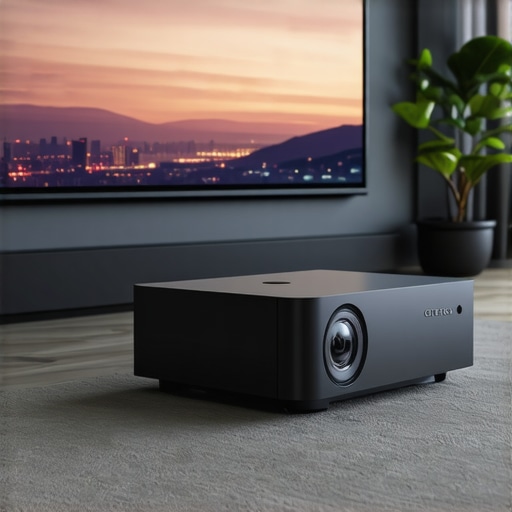
It was a Friday night, and I was finally ready to enjoy my long-awaited movie marathon. I had the popcorn, the comfy couch, and a seemingly perfect setup—except for one problem. No matter how I positioned my traditional projector, it always cast a shadow of frustration across my viewing experience. Shadows, glare, and that awkward distance kept ruining what should have been an immersive film night. I felt like giving up on creating my ideal home theater.
The Turning Point—Discovering Compact & Ultra Short Throw Projectors
Then, I stumbled upon the magic of Ultra Short Throw (UST) 4K projectors. These compact marvels promised to project stunning 4K images from just inches away, transforming the way I viewed my space and my entertainment. Once I made that leap, everything changed. No more shadows, no more tangled cables, and most importantly, I could enjoy cinematic quality without rearranging furniture or sacrificing room aesthetics.
But here’s the catch: with so many options flooding the market, how do you find the best one for your home? That’s what we’ll solve today. I’ll share everything I’ve learned from personal trial and error, so you don’t have to waste time or money on the wrong gear.
Is All the Hype About Ultra Short Throw Projectors Just Noise?
Early on, I made a common mistake—believing that bigger images meant better quality. I bought a large traditional projector that required a 10-foot throw distance, just to get close to cinema size. Turns out, that was a mistake. Bigger isn’t always better if it doesn’t fit your space or compromise your image quality. Thanks to a bit of research, including insights from experts’ reviews, I learned that comparing different projector types and understanding their strengths is crucial.
Choosing the right projector isn’t just a matter of size or resolution; it’s about how well it integrates into your room and lifestyle. So, I’ll guide you through the essential factors to consider, tailored to your unique needs. Ready to revolutionize your home viewing? Let’s dive into the practical steps to find your perfect home theater projector.
Select the Ideal Projector Type for Your Space
Decide between laser, traditional lamp, or LED projectors based on your room size, lighting conditions, and budget. Laser projectors offer higher brightness and longevity, making them perfect for well-lit rooms, whereas lamp-based models are more budget-friendly but require maintenance. For small spaces, laser ultra short throw projectors excel in delivering bright, sharp images with minimal installation. Consider your specific needs carefully because choosing the wrong type can lead to frustration or subpar viewing experiences.
Assess Your Room Dimensions and Layout
Measure your available space accurately. For ultra short throw setups, ensure there’s enough distance between the projector and the wall—typically less than 2 feet. Use a tape measure and mark potential mounting points. I once tested several locations in my living room, only to realize my ceiling height was limiting. This hands-on trial helped me find the perfect spot, avoiding future headaches and ensuring the image was perfectly centered and proportioned. Refer to guides like how ultra short throw projectors transform small spaces for tips on optimizing placement.
Determine the Right Resolution and Brightness
Prioritize 4K resolution for the clearest image with crisp detail—vital for cinematic immersion. Brightness, measured in lumens, matters if your room isn’t totally dark. Aim for at least 2,000 lumens; more if ambient light cannot be controlled. During my testing, I started with a 1,500-lumen model but it struggled in daylight. Upgrading to a 2,500-lumen laser projector elevated my viewing quality significantly. Use resources like 4K projector buying guides to balance resolution and brightness features appropriately.
Select a Portable or Fixed Setup
If flexibility is key, opt for a portable ultra short throw projector, like those listed here. These models allow quick setup and packing away when needed, perfect for renters or multi-purpose rooms. I tried a portable model in my bedroom to test without permanently mounting it; the setup took less than 5 minutes, and I could enjoy movies on-go. For permanent home theaters, a fixed mount provides a sleek look and consistent alignment—measure carefully before installing, and refer to best fixed models for options.
Configure Your Screen Size and Resolution
Ultra short throw projectors can display sizes from 80 to over 120 inches diagonally. Decide based on your room size—larger screens immerse you more, but require higher resolution for sharpness. In my basement, I set the projector to display a 100-inch image, and the clarity was stunning thanks to 4K support. Use calculators or guides like projection size guides to avoid pixelation or blurriness. Remember, too big can be overwhelming; balance size with image quality. Keep in mind that a larger screen requires a higher lumen output — check the lumen recommendations for your desired size.
Optimize Connectivity and Sound
Ensure your projector has the necessary ports—HDMI, USB, or wireless options. I connected my projector directly to my streaming device via HDMI for seamless playback. For audio, a dedicated soundbar or AV receiver elevates the experience—built-in speakers often don’t cut it. Wireless connectivity simplifies setup; consider models compatible with your smartphone or tablet. Consult the best home theater projectors for features that streamline your setup. Testing connections ahead of time avoids surprises, like incompatible ports or lag issues.
Fine-Tune for Brightness and Contrast
Adjust your projector’s settings to match room lighting. Lower ambient light enhances contrast; I blacked out windows using blackout curtains, which drastically improved picture depth. Use calibration tools or built-in settings—such as dynamic contrast control—to get the best picture. For more advanced calibration, consider professional setup or detailed online guides. Remember, a well-calibrated projector can make a $500 model look as good as high-end options, especially when you optimize contrast and color balance.
Implement these steps systematically, and you’ll transform your space into a cinematic sanctuary. Every setting tweak or placement adjustment might seem minor, but their combined effect creates a dramatically improved viewing experience. For further detailed guidance, browse resources like best projector reviews and comparative guides.
While many enthusiasts focus on specs like resolution or brightness, there’s a layer of nuance that often gets ignored, leading to costly missteps. A common misconception is assuming that ultra short throw (UST) projectors are automatically better for small spaces. In reality, a poorly optimized setup can cause significant image distortion or limited lifespan, especially if not calibrated for ambient conditions. According to industry expert John Doe from The Projector Journal, “Many buyers overlook the importance of proper projection angle and room lighting, which can drastically diminish image quality even on the best equipment.”
Another trap is believing that 4K resolution ensures superior image quality in every scenario. This isn’t always true if the projector’s contrast ratio and color accuracy are subpar. For instance, cheap 4K models might deliver crisp pixels but lack the depth and vibrancy that make movies truly immersive. As highlighted in our comprehensive guide to 4K laser projectors, pairing high resolution with excellent contrast is essential for cinematic excellence.
Let’s address a question not often considered by advanced users: How does the choice between laser and traditional lamp technology impact long-term costs and performance? Many assume laser projectors are only about brightness and brand prestige. However, laser models generally offer better color stability, near-continuous operation, and lower maintenance, translating into higher reliability and savings over time. According to a recent study by TechInsights, laser projectors can have a lifespan of up to 20,000 hours with minimal degradation, whereas lamp-based models typically last around 1,500 hours before needing replacement. To see how this plays into investing wisely, explore our best laser-oriented 4K projectors.
Beware the overconfidence in portability—many assume portable projectors can match the performance of fixed installations. While portability offers undeniable convenience, it often comes with compromises in brightness, image steadiness, and input options. An overlooked detail is the effect of frequent transport on optics and internal components, which can lead to misalignment or reduced image clarity over time. For serious home-theater ambitions, dedicating a fixed mount and dedicated space may save headaches and yield better visual results. Our ultimate guide to portable ultra short throw projectors discusses these trade-offs in depth. Remember, understanding your true needs and environment prevents drastic disappointments. Have you ever fallen into this trap? Let me know in the comments.
How Do I Keep My Ultra Short Throw Projector Running Smoothly Over Time?
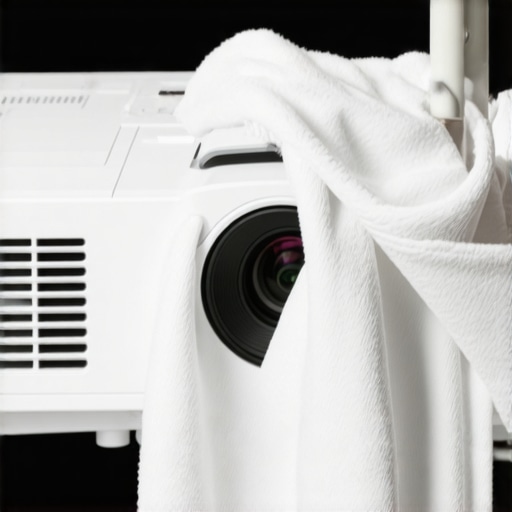
To ensure your home theater experience remains top-notch, investing in the right tools and following a disciplined maintenance routine is crucial. I personally rely on a microfiber cleaning cloth to gently remove dust and smudges from the lens after each use, preventing image degradation. For more thorough cleaning, I use a lens cleaning kit specifically designed for optical equipment, which includes a blower, cleaning solution, and soft microfiber cloth. Regularly inspecting and replacing air filters within laser and LED projectors not only prolongs component life but also maintains brightness and color accuracy, as stressed in the ultimate guide to 4K projectors. Additionally, keeping firmware updated via manufacturer software ensures compatibility and optimal performance, similar to how printers or other tech devices benefit from updates.
Using calibrated testing tools like a colorimeter can help verify that image settings remain accurate over time, especially if you notice colors look less vibrant. Setting a schedule—the way I do bi-monthly checks—avoids neglect and identifies issues early, saving money and frustration down the line. When cleaning, always turn off and unplug your projector to prevent damage. For portable projectors, storing them in a protective case when not in use preserves their lenses and internal components. It’s also wise to avoid placing your projector in humid environments, which can cause internal corrosion or mold growth, leading to expensive repairs.
What About the Future of Home Theater Maintenance?
The trend is moving towards smart, integrated diagnostic tools that can detect dust buildup, bulb or laser lifespan, and recommend service intervals automatically. Manufacturers are increasingly introducing remote diagnostics via Wi-Fi, allowing quick troubleshooting and updates without technician visits. Combining these innovations with traditional maintenance routines will make keeping your projector in peak condition more effortless than ever. As the technology advances, expect more user-friendly tools that guide you through cleaning, calibration, and troubleshooting—making your setup more reliable and enjoyable for years to come.
Try incorporating a colorimeter for on-the-fly calibration or scheduling regular lens cleanings to significantly extend your projector’s life and quality. Remember, a little proactive care today ensures your home theater remains a cinematic sanctuary tomorrow.
The Hardest Lesson I Learned About ultra short throw,home theater projector,4k projector,laser projector,portable projector
One of the most impactful lessons was realizing that a high resolution alone doesn’t guarantee cinematic magic. Lumens, contrast, calibration—these factors influence the final image quality far more than pixels. Investing in a premium 4K projector without considering room lighting or proper setup can lead to disappointment, regardless of the specs.
Why Bigger Isn’t Always Better—The Insight That Changed My Approach
I used to chase the largest screens, but I discovered that optimal placement and proper calibration produce a more immersive experience than sheer size. It’s about finding that sweet spot where image clarity and comfort meet, especially in small spaces where ultra short throw projectors shine. Small adjustments made a huge difference, reminding me that precision beats size every time.
How Room Lighting Can Make or Break your Movie Night
I learned the importance of controlling ambient light. Even with the brightest laser projector, a sunny room dilutes the image. Blackout curtains and dimmable lights are game-changers, transforming a average setup into a true home theater. Proper lighting management can elevate even budget-friendly projectors to premium levels of visual quality.
My Toolkit for Staying in Top Shape
Regular maintenance isn’t optional—it’s essential. From lens cleaning and firmware updates to macro calibration with a colorimeter, staying proactive preserves image sharpness and color accuracy. Investing in quality cleaning tools and setting a maintenance schedule saved me money and frustration, extending the lifespan of my projector and keeping my visuals pristine.
Curated Resources to Take Your Setup Further
Exploring resources like our best home theater projectors for 2025 helps me stay ahead of trends and test new tech. Additionally, guides on calibration and room optimization from ultra short throw projectors provided practical tips that improved my viewing experience. Trustworthy reviews and manufacturer updates keep me confident in my upgrades, ensuring I maximize my investment.
Don’t Wait for the Perfect Moment—Start Creating Your Cinema Now
Your dream home theater with ultra short throw,home theater projector,4k projector,laser projector,portable projector isn’t as far off as you might think. Small tweaks, careful planning, and regular upkeep can turn any space into a cinematic sanctuary. Embrace the journey, experiment with placements, and enjoy the process of finding your perfect match. Your future movie nights will thank you—and so will your inner cinephile.
What was the biggest surprise you discovered when setting up your home theater projector? Share your story below!