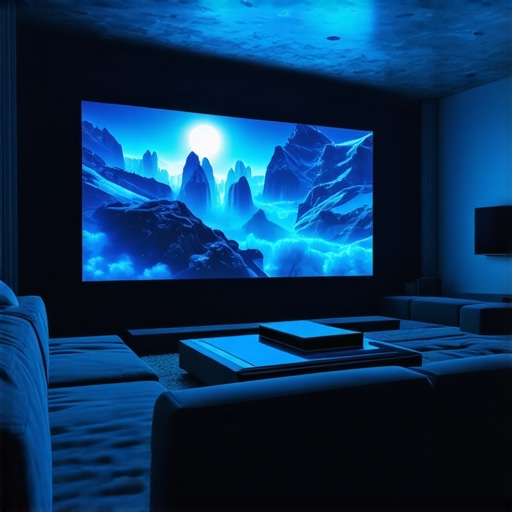
I’ll never forget the moment I set up my first home theater projector, only to realize that the picture was dim, blurry, and honestly, just not worth the effort. It was a frustrating experience that made me question whether I was better off sticking with my TV. But after some research and trial, I discovered the real difference a quality projector makes—especially in 2024, when options are more advanced than ever.
Why Choosing the Right Projector Matters More Than Ever
In recent years, the home theater scene has exploded with new technology, especially with the push toward 4K resolution and laser projection. The thing is, not all projectors are created equal. Picking the right one can mean the difference between a cinematic experience that wows your friends and a setup that leaves you feeling disappointed. With so many choices—ranging from budget-friendly models to high-end laser projectors—the process can be overwhelming. I promise, though, that once you understand what to look for, you’ll be able to make a confident decision and avoid the common pitfalls I nearly fell into.
Is 4K Laser Projection Really Worth the Hype?
Early on, I made the mistake of assuming that a cheaper, non-laser 4K projector would do the trick. Spoiler: it didn’t. The brightness wasn’t enough, the colors looked dull, and the image quality suffered in my dimly lit room. It took me a while to realize that laser projectors, especially in 2024, offer a level of brightness, color accuracy, and longevity that traditional lamp projectors simply can’t match. If you’re serious about creating a true home cinema, investing in a laser model can be a game-changer. Curious about how they compare? Check out this deep dive into laser vs. traditional projectors.
So, what will we cover today? I’ll walk you through the key features to look for in 2024, share my personal favorites, and help you avoid the common mistakes that can turn your home theater dreams into a nightmare. Ready to find the perfect projector for your space and budget? Let’s do it!
Define Your Space Clearly
Start by measuring the room where you’ll install your projector. Use a tape measure to determine ceiling height, wall dimensions, and distance from the projection area to your seating. This initial step is crucial and reminds me of when I first set up my own system; I overlooked room size and ended up with a projector that was either too close or too far, resulting in a blurry image. Establishing these measurements helps you pick a projector with the right throw distance and screen size, ensuring optimal picture quality without unnecessary adjustments.
Choose the Right Throw Type
Decide between ultra-short-throw (UST) and standard throw projectors. UST models are like big, bright flashlights — they sit close to the wall, making them perfect for small spaces or rooms with limited ceiling clearance. Standard throw projectors, on the other hand, require more distance but can project larger images in bigger rooms. I recommend checking out this guide on ultra-short-throw projectors for detailed comparisons. When I experimented with a UST model in my compact living room, I was amazed at how it transformed the space into a cinema with minimal clutter, but it took some trial and error to get the placement just right.
Focus on Brightness and Contrast
Look for projectors with at least 2,500 lumens if you plan to watch during the day or in rooms with ambient light. Laser projectors excel here, offering higher brightness and better contrast. Think of brightness as the volume knob of your audio system—cranking it up makes everything clearer, especially in well-lit environments. I once tried a projector with insufficient lumens, and the image was dim and washed out, despite being 4K. Remember, the brighter the projector, the more versatile your setup will be, particularly if you can’t control the ambient lighting fully.
Prioritize Color Accuracy and HDR Support
For cinematic excellence, your projector needs to deliver true-to-life colors and high dynamic range (HDR). Laser models shine here with their ability to produce vibrant, accurate colors that pop. I recommend reviewing the specifications for HDR compatibility, especially Dolby Vision or HDR10. When I upgraded to a laser projector with full HDR support, the difference was night and day—movies felt more immersive, with richer details in shadows and highlights. It’s like switching from a black-and-white TV to full-color HD—game-changing.
Check for Connectivity and Compatibility
Ensure your chosen projector offers HDMI 2.1, USB, and wireless options like Wi-Fi or Bluetooth. This flexibility allows you to connect streaming devices, gaming consoles, or sound systems seamlessly. I learned this the hard way when I bought a projector without modern ports, forcing me to buy adapters and causing frustrating delays during setup. A quick review of the specs and compatibility with your devices will save you time and headaches.
Read Real User Reviews and Expert Comparisons
Before making a final decision, dive into detailed reviews and comparison articles such as best home theater projectors for 2025. These resources highlight real-world performance, durability, and user experiences that specs alone can’t reveal. I once purchased a model based solely on specs, only to find out it was noisy and prone to overheating. Reading user feedback helped me avoid similar mistakes.
Test and Calibrate
Once your projector arrives, set it up in the designated spot, and run calibration tools to optimize picture quality. Use test patterns to adjust focus, keystone correction, and color settings. This step is like tuning a musical instrument—small adjustments can dramatically improve your viewing experience. I spent an afternoon fine-tuning my projector, and the results were worth the effort, turning my casual movie nights into a true cinematic event.
Many home theater enthusiasts believe that simply opting for the latest 4K laser projector guarantees a cinematic experience. However, this is a misconception that can lead you astray. In my journey, I discovered that most people overlook the nuanced details that truly impact picture quality and longevity. Let’s dig deeper into these often-missed pitfalls and share advanced insights to elevate your setup beyond the basics.
Why Bigger Isn’t Always Better When It Comes to Resolution
It’s tempting to think that higher resolution alone multiplies your viewing pleasure. But the truth is, without proper calibration and a suitable screen size, a 4K projector can actually diminish image clarity. Many get caught up in specs, assuming more pixels mean better quality. In reality, factors like pixel density, screen size, and viewing distance play critical roles. For an optimal experience, balancing resolution with room dimensions and calibration is essential. For detailed guidance, check out this 4K projector buying guide.
Common Myth: Laser Projectors Are Maintenance-Free
A prevalent misconception is that laser projectors never require maintenance. In truth, laser light sources last longer—often up to 20,000 hours—but they are not immune to degradation. Dust accumulation, cooling system issues, or firmware glitches can still impact performance. Many users neglect routine upkeep, which can shorten the lifespan or cause image quality issues. Regular cleaning and firmware updates are vital, even for high-end laser models. This subtle maintenance nuance can save you hundreds of dollars in repairs or replacements later on.
Advanced Mistake: Ignoring the Importance of Room Acoustics
Most focus solely on the projector and ignore the room’s acoustics. Sound quality is just as crucial for an immersive experience. Even the best projector cannot compensate for poor room acoustics—echoes, background noise, and speaker placement matter. Investing in proper soundproofing, acoustic panels, or high-quality speakers can make a tremendous difference. Remember, your visual setup is only part of the story; sound design completes the cinematic feel. Think of it as tuning a musical instrument—every element must be calibrated for harmony. Want to learn more? Check out this guide to room acoustics.
Have You Ever Fallen Into This Trap?
These advanced nuances highlight that choosing a home theater projector isn’t just about specs—it’s about understanding how all elements work together for a seamless experience. Have you ever fallen into any of these traps? Let me know in the comments and share your stories. Remember, a well-informed setup is the key to truly enjoying your cinematic oasis.
Maintaining your home theater projector is essential to ensure it continues delivering stunning visuals for years to come. From routine cleaning to software updates, a few proactive steps can significantly extend the lifespan of your equipment. As someone who’s tinkered extensively with various models, I can tell you that proper upkeep not only preserves image quality but also saves you money in the long run.
How do I maintain my projector over time?
First, regular cleaning is a must. Dust accumulation on the lens and air vents can cause overheating and image degradation. I personally use a microfiber cloth for the lens, avoiding harsh chemicals that could damage delicate surfaces. For internal components, a gentle air blower helps remove dust from vents and filters—think of it as giving your projector a breath of fresh air. Many projectors have filters that need replacing or cleaning every 6-12 months, depending on usage. Neglecting this can lead to overheating and reduced brightness.
Next, firmware updates are often overlooked but crucial. Developers frequently release updates that enhance performance, fix bugs, or improve compatibility with new devices. I recommend subscribing to your projector manufacturer’s newsletter or regularly checking their support site. Keeping your firmware current ensures your projector runs smoothly and can even unlock new features.
Calibration is another key aspect. Over time, color accuracy and contrast can drift. Invest in a calibration tool or use built-in test patterns to fine-tune your settings. This process is akin to tuning a musical instrument—small adjustments can make a big difference in picture quality. I’ve found that calibrating every six months keeps my setup looking fresh and cinematic.
To streamline maintenance, I rely on tools like compressed air cans, microfiber cloths, and calibration software. For example, calibration tools help me achieve optimal color balance without expensive professional help. Additionally, scheduling periodic checks—every few months—ensures no dust or software issues go unnoticed.
Future trends in projector maintenance
Looking ahead, I believe AI-driven diagnostics will become standard. Imagine your projector alerting you when a component needs attention or automatically performing firmware updates. As technology evolves, managing your system will be more intuitive and less time-consuming. For now, though, sticking to routine cleaning and updates is your best bet.
Don’t forget—try integrating a simple maintenance routine into your setup. Regular dusting, firmware checks, and calibration can keep your projector performing at its best. If you haven’t done so recently, take a few minutes today to give your device a tune-up—your future movie nights will thank you!
The Hardest Lesson I Learned About Projectors
Early in my journey, I believed that the latest 4K laser projector would automatically transform my viewing experience. It took realizing that calibration and room setup are equally critical to truly unlock its potential. The biggest lightbulb moment was understanding that specs alone don’t guarantee cinematic quality; it’s how you optimize those specs in your space that counts.
3 Myths About Home Theater Projectors That Held Me Back
I used to think bigger screens always meant better immersion. Turns out, resolution and screen size need to be balanced to prevent pixelation or loss of clarity. Also, I thought laser projectors never needed maintenance—false! Regular cleaning and firmware updates are still essential for peak performance. Lastly, I believed that ambient light didn’t matter—turns out, choosing the right projector with high lumens makes a huge difference in bright rooms.
What Experts Won’t Tell You About Choosing a Projector
Many overlook the importance of room acoustics. Sound quality drastically impacts your cinematic experience. Investing in good speakers and acoustic treatments can elevate your setup beyond just visual quality. Plus, some of the best resources for honest reviews and comparisons are detailed guides like this comprehensive list of the top 2025 projectors. These sources reveal real-world performance that specs can’t show, saving you from costly mistakes.
My Essential Toolkit for Home Theater Projectors
To keep my projector in top shape, I rely on a few key tools: microfiber cloths for delicate cleaning, compressed air for dust removal, and calibration software that helps fine-tune colors and contrast. I trust this guide to 4K projectors for detailed calibration tips. Staying current with firmware updates from manufacturers like Sony or Epson also prevents performance hiccups. These tools and resources have been game-changers in my setup maintenance routine, ensuring long-lasting quality and cinematic magic.
Your Turn to Try
Now that you know some insider lessons and trusted resources, it’s your move to elevate your home theater experience. Remember, mastering projector setup, calibration, and maintenance is a continuous journey—one that pays off with every movie night. Are you ready to put these tips into action and create your own cinematic oasis? Share your plans or questions in the comments below. I’d love to hear about your setup adventures!