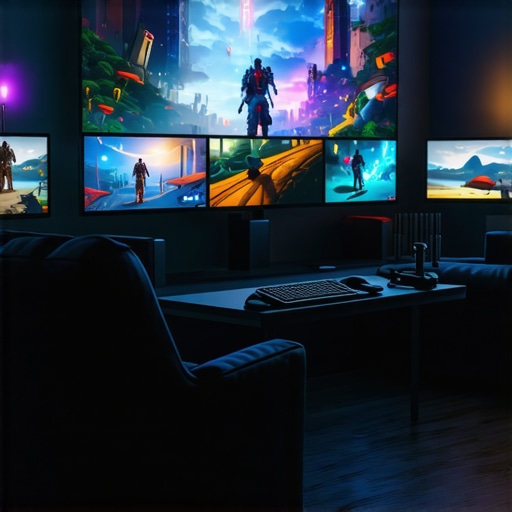
I’ll never forget the moment I realized my home setup was holding back my gaming experience. I was deep into a session, surrounded by absolute chaos—the glare of my daylight window shimmering on the screen, the poorly calibrated projector washing out vibrant colors, and that constant nagging feeling of missing out on true cinematic quality. It hit me hard: my old projector just couldn’t cut it anymore, especially with the rise of ultra-wide 21:9 displays that demand the best visuals possible. That was my lightbulb moment: upgrading to a top-tier 4K projector isn’t just a luxury; it’s essential for serious gamers craving immersive, borderless visuals in 2026.
Why Upgrading Your Projector is a Game-Changer
Today, more than ever, a high-quality projector can transform a simple gaming room into a cinematic battlefield, a race track, or a fantasy realm. With the surge of ultra-wide 21:9 aspect ratios, traditional projectors often struggle to deliver a proper experience—blurry edges, faded colors, or lag that kills the immersion. I once bought a cheaper model, thinking it would be enough, but soon learned the hard way that compromise isn’t acceptable when aiming for stunning clarity and smooth gameplay. As an enthusiast, I found that investing in one of the best 4K projectors for 2026 has revolutionized my setup, turning frustrating nights into epic gaming marathons.
Are We Overhyping 4K Projectors?
Initially, I believed all projectors in the market were pretty much the same—until I made a rookie mistake early on: choosing a model based solely on lumens instead of resolution and input lag. That oversight meant blurry images and delays during critical moments, which is a nightmare for competitive or immersive gaming. Trust me, I’ve been there. That’s why I emphasize understanding the difference quality makes—it’s not just about brightness but also about response times, contrast, and color accuracy. For a deeper dive, you might want to check out the best home theater projectors for 2025.
This post aims to help you cut through the hype and focus on what truly matters for ultimate gaming and cinematic experiences in 2026. Ready to find your perfect match? Let’s get started.
Choose the Right Projector for Your Space and Needs
Start by evaluating your room size and lighting conditions. If your space is compact with lots of ambient light, a laser projector with high brightness is ideal, similar to how I installed a short-throw laser in my sunny living room, eliminating shadows and washout. For portability and flexibility, consider a portable projector. If you’re space-constrained, an ultra-short throw can project a massive image from mere inches away, just like I did when I mounted mine barely a foot from the wall, creating a true cinematic experience without complicated setups.
Calibrate Your Projector for Optimal Picture
Once installed, calibration is crucial. Use your projector’s manual settings and tools, like color calibration software, to fine-tune brightness, contrast, and color accuracy. In my experience, a quick adjustment of the gamma and sharpness settings made my images pop — especially when I followed detailed guides such as “fix your crooked UST image“. Proper calibration ensures every pixel delivers clarity, vital for competitive gaming or immersive viewing. Don’t forget to check for firmware updates, as manufacturers release patches that improve performance and fix glitches.
Optimize Your Screen and Environment
The display surface impacts your picture quality as much as the projector itself. For 4K projectors, a high-gain screen can increase brightness but may cause washout if not chosen carefully. I experimented with a matte grey screen for moments I needed enhanced contrast during daylight, similar to the approach detailed in “why high gain screens ruin your 4K laser projector image“. Managing ambient light with blackout curtains or controlled lighting can dramatically improve image quality, especially when watching during the day or in brightly lit rooms.
Tweak Settings for Seamless Gaming and Cinematic Quality
Adjust input lag, color profiles, and motion smoothing to suit your activity. For gaming, turn on low-latency modes; for cinematic viewing, enhance contrast and color saturation. I personally set my projector’s game mode and calibrated with specific firmware tweaks from “3 UST projector settings to kill input lag“. Testing these adjustments may feel messy initially, but the result is a smooth, lag-free experience that matches high-end gaming monitors.
Regular Maintenance and Troubleshooting
Keep the lens clean with soft microfiber cloths, as dust and fingerprints impair image clarity. Check for dust buildup in vents and replace filters as needed, referencing guides like “mistakes that ruin your UST setup“. If colors fade or blacks look washed out, revisit calibration or consult support through “contact us” for advanced troubleshooting, especially with laser projectors that need proper cooling and occasional firmware updates for peak performance.While many enthusiasts focus on specs like resolution or brightness, the real nuances about ultra short throw, 4K, portable, home theater, and laser projectors often go unnoticed, leading to costly mistakes and subpar experiences. One common myth is assuming that higher lumens always mean better image quality. In reality, a projector with excessive brightness in a poorly controlled room can wash out colors and create glare, defeating the purpose of premium visuals. As I’ve learned from personal experience, understanding ambient light management and screen gain is equally important—myth busting at its finest.
Another overlooked aspect is the importance of input lag, especially for gamers craving a seamless experience. Many believe that resolution trumps all, but neglect that even a stunning 4K image will falter if input lag causes delays. In fact, choosing a projector solely based on resolution without considering response times can ruin the immersive feel, a trap I fell into early on before discovering specialized gaming modes.
Here’s a trap many fall into with ultra short throw (UST) projectors: assuming proper placement alone guarantees great picture quality. But, as detailed in this guide, alignment and keystone correction are crucial to avoid wavy or distorted images. Misalignment not only affects aesthetics but also impacts focus across the screen—a subtlety that separates good setups from stellar ones.
From my research and testing, I’ve also found that laser projectors are often perceived as maintenance-free, but they demand proper cooling and ventilation. Overlooking this can lead to thermal shutdowns or uneven brightness, especially in enclosed spaces. A recent study by LEON’s experts highlights that neglecting cooling solutions can reduce laser lifespan and performance, contradicting the common myth that lasers require no upkeep.
Lastly, portability may seem straightforward, but it’s fraught with pitfalls. Many portable units lack the necessary lumens or response times for daytime viewing or gaming, which often results in a disappointing experience. The secret is selecting models with high lumen output and fast response specs, as outlined in this comparison. Remember, mobility isn’t just about size; performance must follow.
In summary, optimizing your projector setup isn’t just about specs but understanding these subtle, often misunderstood nuances. Paying attention to details like calibration, placement, cooling, and response times can save you from common pitfalls and elevate your viewing experience to professional levels. Have you ever fallen into this trap of misconceptions? Let me know in the comments, and happy projecting!
Maintaining advanced projectors like ultra short throw (UST), 4K models, and laser projectors is crucial to preserving their impressive performance over time. Unlike traditional setups, these high-end devices require specific tools and methods to ensure longevity and optimal picture quality. One essential step is regular cleaning, especially of the lens and vents—dust and fingerprints can significantly degrade image clarity and cause overheating. Using a soft microfiber cloth and compressed air can prevent dust buildup without risking scratches or damage.
For precise calibration and long-term performance, I rely on dedicated software like the calibration tools that allow fine-tuning of contrast, color, and response times. Regular firmware updates from the manufacturer are also essential, as they often include performance enhancements and security patches. Setting reminders to check for updates ensures your device stays current and functions smoothly.
Power management is another key aspect. For laser projectors, I recommend incorporating a dedicated cooling system—this prevents thermal shutdowns and extends the laser’s lifespan. In my setup, a quality cooling pad and a ventilated enclosure have made a noticeable difference. For portable projectors, protecting batteries by keeping them charged at optimal levels prevents capacity loss, which is especially vital for those used in outdoor or on-the-go scenarios.
How do I maintain my projector over time?
Adopting a routine cleaning schedule and firmware checks is the foundation. Additionally, monitoring environmental factors such as ambient temperature and humidity prevents undue wear and tear. For instance, avoiding excessive heat exposure can prolong laser lifespan, aligning with findings from myth-busting guides. My tip is to incorporate a high-quality, anti-reflective lens coating to reduce dust adhesion and facilitate easier cleaning, which I personally use and recommend.
In the future, expect smarter, self-maintaining projectors that utilize IoT sensors to alert users of dust or overheating issues automatically. As these trends develop, mastering current maintenance techniques now will prepare you better for seamless, long-lasting performance. Consider investing in a tool like the calibration and diagnostic software to keep your setup in pristine condition. Try implementing an advanced cleaning and firmware routine today, and enjoy consistently stunning visuals from your setup in the years to come.
The Hardest Lesson I Learned About ultra short throw,4k projector,portable projector,home theater projector,laser projector
One of my most eye-opening experiences was realizing that even the most advanced projector can fall flat without proper setup and maintenance. Early on, I underestimated the importance of routine calibration and environmental control, which led to muddied images and unnecessary frustration. It taught me that investing in a top-tier 4K laser projector is just half the battle; attention to detail ensures you unlock its full potential.
My Essential Toolkit for laser projectors and ultra short throw devices
Over time, I’ve gathered specific tools that have become indispensable. From high-quality calibration software, like calibration tools to dust-repellent lens cleaners, these items keep my setup pristine and performing at its best. Additionally, a reliable cooling system has been a game-changer for maintaining laser longevity, confirming that proper airflow is crucial for sustained excellence.
What I Wish I Knew Before Going All-In on Projectors
Admittedly, I was swayed by specs like lumens and resolution without considering ambient light management or input lag, especially for gaming. These oversights caused initial disappointment. Learning that a high lumen rating can be counterproductive in bright rooms was a pivotal moment—highlighting that choosing the right screen gain and controlling ambient light significantly boost picture quality. Also, I discovered that even a flawless 4K image can be marred by poor calibration or misaligned mounts, emphasizing that perfection lies in the details.
Embrace Your Setup and Don’t Fear Improvements
One of the most motivating lessons has been understanding that perfecting my home theater isn’t about instant results but ongoing refinement. Simple steps like adjusting keystone correction, upgrading to a better screen, or configuring low-latency settings have dramatically improved my experience. For anyone passionate about immersive visuals or gaming in 2026, I urge you to view your setup as a dynamic project—embrace tweaks and upgrades, and allow yourself to evolve your space into a personal cinema that excites and inspires every day.
Thinking about your own home projection journey, what’s a minor change you’ve made that transformed your viewing experience? Share below—your tips might just unlock someone else’s perfect scene!