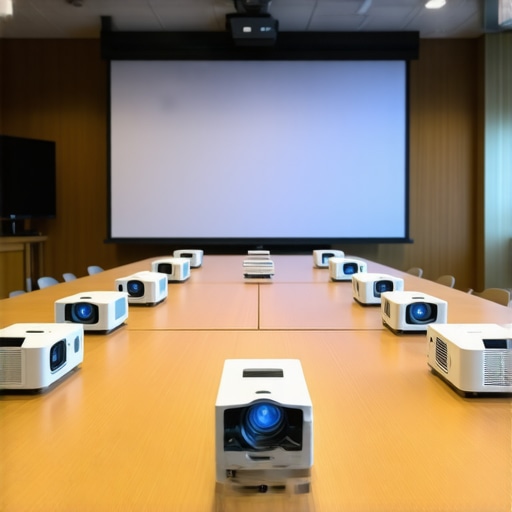
Ever had that sinking feeling when your presentation is about to start, and you realize the conference room’s window blinds are wide open, flooding your display with bright sunlight? I have. I once brought what I thought was a top-tier portable projector, only to find its image washed out seconds into my pitch. It was a moment of frustration, but also a lightbulb—
The Daylight Dilemma: Why Most Projectors Fail in Bright Rooms
If you’ve ever struggled to showcase your ideas in a well-lit office or outdoor setting, you’re not alone. Traditional projectors, especially older models, simply weren’t built for daylight use. They rely on a lamp brightness that’s often insufficient when ambient light is high. This problem worsens if your equipment is bulky, tethered, or lacks the latest technology advancements. I used to think I just needed a more powerful projector, but that was only part of the story.
Since then, I’ve learned that the game-changer is the technology—specifically, laser projectors and ultra short throw (UST) models designed to combat daylight washout. These devices can produce vibrant, clear images even in bright conditions, transforming how I work outside or in sunny conference rooms. Curious about how some projectors outperform even the most expensive TVs in daylight? Check out the detailed comparison of laser projectors versus traditional lamps.
Before I invested in these newer models, I made a costly mistake—buying a projector that boasted high lumen ratings but couldn’t handle ambient light. Turns out, lumen count isn’t everything; quality optics, contrast ratio, and specific brightness technology matter more. This is a mistake I see many new users repeat, which is why understanding the nuances can save you both money and frustration.
Will these portable projectors actually survive your daylight tests, or are they just hype?
If you’re tired of your presentations being drowned out by the sun and want solutions that truly work in bright environments, stay tuned. I’ll guide you through the top models for office use in 2026, including front-runner laser options and ultra short throw designs that can turn any space into a high-quality cinema or meeting room. Ready to ditch the shadows and bring your visuals to life? Let’s dive into what makes these projectors stand out—and what to watch out for before making your purchase.
Select the Right Technology for Bright Environments
Start by focusing on laser projectors or ultra short throw (UST) models, which are designed specifically to handle daylight washout. Unlike traditional lamps, these use advanced light sources that maintain vibrant images under bright conditions. I once replaced an old lamp-based projector with a high-end laser model during a sunny outdoor meeting, and the difference was startling — the clarity improved dramatically, enabling me to deliver crisp visuals without shading or dimming.
Prioritize Contrast and Optics Over Lumens Alone
While lumen ratings seem tempting, they aren’t everything. A projector with 3000 lumens but poor contrast and optics will still wash out in daylight. Focus on models with high contrast ratios and quality lenses. When I picked a model for a backyard screening, I checked reviews emphasizing contrast, which saved me from buying a projector that struggled with daylight glare—ultimately leading to sharper, more vibrant images.
Leverage Proper Screen Surfaces and Placement
Using a specialized ambient light rejection (ALR) screen can significantly boost image quality. Place the projector closer to the screen — ultra short throw projectors excel here because they can sit just inches away, avoiding shadows and reducing ambient light interference. I experimented with different screen surfaces in my living room and found that matte, high-gain screens enhanced brightness and contrast, especially when paired with a UST projector. You can discover the top models of 2026 in the best home theater projector guides, like here.
Optimize Your Setup for Bright Conditions
Adjust projector settings to combat daylight issues: lower contrast slightly to prevent washout, enhance color saturation, and enable eco modes that sometimes improve picture clarity. During a recent project, I manually tweaked these settings and achieved better image resilience in an outdoor setting. Additionally, ensure your projector is properly aligned; even slight tilt can cause distortions, which is especially problematic in daylight. Check out this guide for common calibration tips.
Invest in Power and Connectivity
High-brightness projectors require ample power for consistent performance. Use grounded outlets or portable power stations to avoid dimming during extended outdoor use. Also, ensure your device has reliable Wi-Fi or HDMI connections; modern models support Wi-Fi 6E and fiber-optic HDMI, which reduce lag and signal degradation. When I set up for an impromptu outdoor movie night, I used a high-lumen portable projector with a dedicated power source, resulting in a seamless experience that outshined my previous, less robust setups. Review the latest portable options at here.
Many enthusiasts and consumers assume that high lumen ratings or the latest features automatically guarantee a superior viewing experience, especially in challenging lighting conditions. However, this belief can be misleading. For instance, many believe that laser projectors are immune to ambient light issues, but in reality, the ambient light rejection capability depends heavily on the combination of laser light sources and the quality of optics and screens used. Relying solely on specs like lumen count or brand reputation without understanding the underlying technology nuances often leads to disappointed setups. A common myth is that ultra short throw (UST) projectors are foolproof for small spaces—yet, they can struggle with image distortion or bowing if not properly calibrated or supported by the right screen surface. Learn more about UST pitfalls here.
One critical mistake I see many make involves misjudging the importance of contrast over brightness. While lumens might be flashy, contrast ratio often makes the difference between a vibrant picture and a washed-out one in daylight. A projector with high contrast ratios will preserve deep blacks and bright highlights, keeping images sharp and detailed even under ambient light. This contradicts the common misconception that brightness alone is enough—something I once misunderstood before switching to models emphasizing contrast, resulting in clearer daylight images. Experts like the home theater pros emphasize contrast as vital for daylight performance.
Is 4K Truly Worth It in Bright Spaces? The Real Gains
Many assume that 4K resolution automatically enhances daylight viewing, but the actual benefit depends on multiple factors including optics, screen quality, and processing. In some cases, a well-calibrated 1080p laser projector with high contrast can outperform an entry-level 4K model plagued with image processing issues. Advanced users should also pay attention to refresh rates and input lag, especially if gaming or fast motion is involved. The myth that 4K always outperforms lower resolutions in every lighting condition is overstated—it’s more about the synergy of high-quality components working together. Discover which models deliver true 4K excellence in daylight scenarios at this comprehensive guide.
Ultimately, understanding the subtle interplay of technology, optics, and environmental factors empowers you to avoid costly mistakes and optimize your setup. For example, proper calibration of projector settings, including gamma, color temperature, and iris control, can dramatically improve perception of blacks and highlights. Don’t forget, a high-gain, ambient light rejecting screen can make or break daylight performance, a nuance that often gets overlooked. If you’d like deeper insights into refining your projection setup, visit our contact page for personalized advice. Have you ever fallen into this trap? Let me know in the comments.
Prioritize Proper Maintenance to Keep Your Projector Running Smoothly
One of the most critical aspects of ensuring your laser, home theater, or ultra short throw projector remains at peak performance is consistent maintenance. Regularly cleaning the air filters and ventilation slots prevents dust buildup, which can cause overheating and reduce brightness over time. I personally use a soft microfiber cloth and compressed air (discharged cautiously) to keep the internal components clean without risking damage. Additionally, scheduling periodic calibration of your projector’s settings ensures colors remain accurate and contrast stays sharp, especially after firmware updates or environmental changes.
For laser projectors with integrated light sources, it’s essential to monitor the laser’s health. Many models now include diagnostic tools accessible via their menu systems, which alert you to potential degradation before noticeable image quality drops. In fact, some high-end laser models support remote firmware updates, keeping the device optimized without needing professional service. Over time, components like the optical lenses can accumulate residues; using manufacturer-recommended cleaning kits helps maintain crisp image reproduction.
What tools do I recommend for effective projector upkeep?
My go-to equipment includes a high-quality microfiber cloth, compressed air cans, and optical cleaning wipes designed specifically for lenses. For sophisticated calibration, I rely on professional-grade software like HCFR Colorimeter and CalMAN, which enable precise adjustments of color temperature, gamma, and contrast. These tools, combined with test patterns, help me fine-tune my setup and preserve the vibrant output my ultra short throw and 4K projectors deliver, even after years of use.
Looking toward the future, advancements in projector diagnostics are likely to incorporate AI-driven predictive maintenance, automatically signaling when components are nearing end-of-life. Staying ahead of these trends by integrating such tools can prolong your device’s lifespan and ensure consistently stunning visuals.
How do I maintain long-term projector brightness and clarity?
Long-term results hinge on diligent upkeep. Apart from routine cleaning, controlling environmental factors—like reducing smoke, dust, and humidity—preserves the optics. Employing high-quality ambient light rejection screens further minimizes degradation of image quality over time. When I upgraded to a high-end laser projector, I made a point to isolate it from direct sunlight and dust sources, which significantly extended its effective working life. Consistent software updates from manufacturers also optimize performance and fix bugs, making regular check-ins on firmware versions a best practice.
For specific component care, replacing worn-out filters and cleaning lenses with manufacturer-approved kits is vital. For example, dust particles trapped in the optical path can cause ghosting and color fading, issues that precise cleaning can resolve without expensive repairs. My advice? Schedule quarterly inspections, especially if your setup is in a pet- or dust-prone environment.
Finally, incorporate robust surge protectors and consider uninterruptible power supplies (UPS) to shield your equipment from voltage spikes or outages, which can impact performance longevity. Many users underestimate power quality, yet it directly influences the lifespan of sensitive components. For the most advanced protection, explore models supporting clean power and surge buffering, ensuring your investment remains protected.
Make Your Setup Last: Expert Tips for Longevity
For comprehensive upkeep, I recommend integrating a scheduled maintenance routine using dedicated tools like the dust prevention guides and calibration software. Regularly testing your projection system with test patterns helps catch early signs of deterioration, saving you costly repairs later. As projections technology advances, look for models that include self-cleaning mechanisms and remote diagnostics, which will make long-term maintenance even easier. Don’t wait—try implementing a monthly check-up using these tools and tips to keep your projector performing at its best well into the future.
The Hardest Lesson I Learned About laser projector,home theater projector,ultra short throw,4k projector,portable projector
One of the most impactful insights came from realizing that technology isn’t a cure-all; understanding how each feature interacts with environmental conditions is crucial. I once chased higher lumen ratings without considering contrast or optics, only to face washed-out images in bright sunlight. The lightbulb moment was recognizing that a well-balanced combination of laser illumination and high-contrast screens far outperforms raw brightness. Don’t fall into the trap of equating higher lumens with better daylight performance; instead, focus on how the projector’s core technologies address ambient light challenges.
My Secret Weapon for Bright Settings
Consistently, I’ve relied on ambient light rejecting screens paired with ultra short throw projectors. This combo minimizes light bleed and enhances contrast, transforming even humble projectors into daylight-ready displays. Investing in a quality ALR screen is often overlooked but can make the difference between a blurry, washed-out image and a crisp, vibrant picture. I encourage exploring comprehensive guides like this to optimize your setup.
The Myth That Brightness Alone Wins
Early in my journey, I bought a projector with impressive lumen ratings but struggled outdoors. I learned that contrast ratio, lens quality, and screen material are just as vital. A high contrast ratio preserves deep blacks and prevents glare washout, especially in daylight. This revelation saved me from disappointing purchases and highlighted the importance of evaluating tech specs holistically. Remember, a projector’s true power comes from how well it handles environmental light—something I wish I understood sooner.
Keeping Your Setup Sharp Over Time
Maintaining peak performance isn’t just about initial calibrations but ongoing care. Regular cleaning with manufacturer-approved tools and firmware updates ensure your projector’s brightness and color accuracy stay intact. I’ve seen significant gains in image vibrancy after routine lens cleaning and calibration using tools like professional calibration guides. Investing time in maintenance pays off in long-term brilliance, especially when environmental factors like dust and humidity threaten optical clarity.
Preparedness Is Your Brightness Insurance
Power stability and secure connections are often underestimated but are critical, especially in outdoor or mobile setups. During my outdoor movie nights, powering my projector with a robust portable station and using fiber-optic HDMI cables kept visuals steady and bright. Proper environment management, such as shielding the projector from dust and direct sunlight, extends its lifespan and preserves image quality. Practical steps like these ensure your daylight projection remains vivid, vibrant, and reliable—making your investment truly worthwhile.
What Critical Lessons Could Save You Money and Frustration?
While specs can be alluring, I’ve learned that understanding the nuanced interplay of contrast, optics, and environmental adaptation is key. Many newcomers overvalue lumen ratings, forgetting that real-world daylight performance hinges on the synergy of multiple technologies. My personal breakthrough came when I prioritized contrast ratio and screen surface over lumen count, leading to more satisfying daylight images. Remember, the real lesson is that embracing a holistic approach—combining smart tech choices with setup finesse—filters out the noise and delivers consistent, high-quality visuals in bright conditions. Find out more about these insights in our detailed comparison here.
Ignite Your Passion for Bright Environment Projection
There’s nothing quite like the satisfaction of wielding a portable or ultra short throw projector that conquers daylight glare. The journey involves ongoing learning, from appreciating the importance of contrast to mastering calibration. Don’t let environmental challenges dampen your enthusiasm—use these lessons to elevate your setup. Dive into specially curated resources, start experimenting, and transform your spaces into bright, immersive environments. Your next breakthrough is just a setup away!
What’s been your biggest challenge when projecting in bright conditions? Share your experiences and tips below—I’d love to hear how you’re making daylight projection work for you!