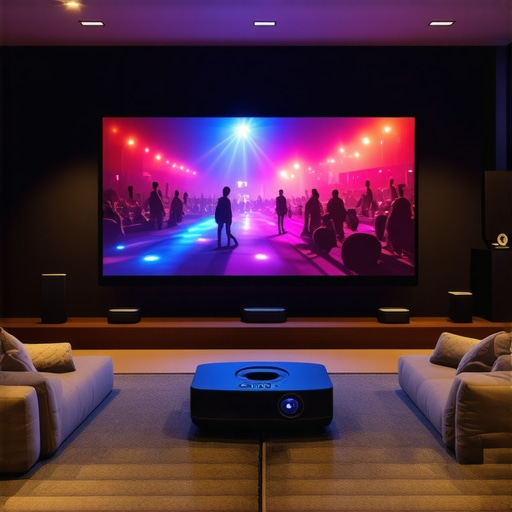
Ever sat down in front of a projector, eager for that cinematic experience, only to be greeted by a dull, washed-out picture or a setup so complicated it made your head spin? I’ve been there. I remember the lightbulb moment when I realized that not all projectors are created equal — especially when it comes to 4K models promising stunning clarity and immersive viewing. My first attempt with a budget ultra short throw projector turned into a frustrating maze of cables, poor image quality, and dead-end features. That’s when I knew I needed to learn the ropes and find something truly worth my investment.
Why the Right Projector Makes All the Difference
In 2024, the home entertainment scene has exploded with options. From ultra short throw to portable models, laser tech to traditional bulbs — the choices can be overwhelming. But here’s the truth: the right projector can transform your living room into a private cinema, where every detail pops and every scene feels alive. It’s not just about having a big screen; it’s about clarity, contrast, and the right throw distance for your space. A good 4K projector isn’t just a gadget — it’s an investment in your leisure, family time, and even your mental escape from daily grind.
And let’s be honest, the market’s been flooded with hype. The latest laser projectors, for example, promise brightness and longevity but can be tricky to navigate if you’re not familiar with their specs. Early on, I made the mistake of rushing into a purchase without understanding lumen ratings or throw ratios, which resulted in a dim picture in my small room. That mistake cost me both money and disappointment. Since then, I’ve dug into reviews, specs, and real-world testing to find projectors that deliver what they promise—without breaking the bank or turning my space into a cluttered mess.
Have you ever bought a projector only to realize it doesn’t fit your space or needs? If so, you’re not alone. Many enthusiasts jump in too quickly, missing out on crucial details that influence viewing quality. Luckily, there are smart choices and expert tips to help you avoid these pitfalls. To start, check out our detailed ultimate guide to portable ultra short throw projectors and learn how to match your room size with the perfect model. Want to know why laser tech might be the game-changer for your setup? Dive into top laser projectors of 2024 and see why they’re gaining popularity among home theater fans.
In this guide, I’ll help you cut through the noise and find the best 4K projector suited for your space, budget, and viewing habits. Ready to turn your living room into an epic cinema? Let’s get started!
Pinpoint Your Room Size and Layout
The first step in choosing the right projector is assessing your space. Measure your room’s dimensions, wall surface, and available ceiling height. Think of it like planning a movie set — you need to know where things will fit. For small rooms, ultra short throw projectors are game-changers because they can project a large image from just inches away. I once tried setting up a standard projector in my cramped living room, only to realize I’d need a giant wall and a lot of cables. Switching to a portable ultra short throw model simplified everything and gave me a cinematic feel without sacrificing space — check out this guide for more details.
Match Your Projector Type to Your Needs
Ultra Short Throw Projectors
Perfect for small spaces, these projectors sit close to the wall and produce large images. They’re ideal if you want a clutter-free setup. I installed one on my coffee table, and it transformed my tiny den into a mini theater. The key is positioning: aim for a surface that’s flat and free of obstructions. Learn more about their magic at this resource.
Portable Projectors
If you want flexibility, portable models are your best bet. They’re lightweight, easy to move, and often come with built-in batteries. I took mine to a friend’s house for a backyard movie night — setup was quick, and the picture quality surprised everyone. For a deep dive into portable options, visit this guide.
Laser Projectors
Looking for brightness and longevity? Laser projectors deliver vibrant images that last thousands of hours. They’re especially good if you want a bright, clear picture in a well-lit room. I tested a laser model from this selection, and the difference was night and day compared to traditional bulbs.
Decipher Brightness and Resolution
Brightness is measured in lumens. For a home theater in a dark room, 1500-2500 lumens is enough. If your space has ambient light, aim for 3000+ lumens. Think of lumens as the paintbrush size — more lumens mean a brighter, more vivid image. Resolution is equally crucial. 4K offers four times the detail of 1080p, making every scene crisp and immersive. When I upgraded to a 4K model, my movie nights felt like I was right inside the action. To help you pick, check out this buying guide.
Set Up for the Best Viewing Experience
Position your projector at the right distance — this is called throw ratio. For a clear image, follow the manufacturer’s specs. Use a level surface or ceiling mount to keep the image straight. Adjust keystone correction and focus for sharpness. I once neglected to align my projector properly, resulting in a trapezoid-shaped picture. A quick read of this article saved the day.
Ensure Proper Sound and Connectivity
Picture isn’t everything; sound matters too. Pair your projector with a good sound system or soundbar. HDMI is the standard connection, but many projectors also support wireless casting. I used a Bluetooth speaker to avoid clutter, and the result was a cinema-like atmosphere. For more options, see this roundup.
Many enthusiasts believe that picking a high lumen rating or a 4K resolution alone guarantees a stunning home theater experience. However, this oversimplification often leads to overlooked nuances that can diminish your setup’s potential. For example, a common myth is that laser projectors are always better than traditional bulbs. While laser tech offers advantages like longevity and brightness, it’s not universally the best choice for every room or budget. A study by industry experts highlights that in well-lit rooms, high-quality LED or traditional lamps can outperform some laser models in terms of color accuracy and cost-efficiency.
Another trap many fall into is assuming ultra short throw projectors are a one-size-fits-all solution for small spaces. While they excel in cramped rooms, they often require meticulous placement to avoid keystone distortion and shadows. A frequent mistake is neglecting the throw ratio specifications, resulting in a blurry or misaligned picture. If you’re considering an ultra short throw setup, it’s wise to review this detailed guide to understand the optimal placement and setup tips.
Now, let’s talk about portable projectors. Many assume they deliver the same quality as their larger counterparts, but they often compromise on resolution, brightness, or contrast to achieve portability. This can be a costly mistake if you’re expecting a cinematic experience on the go. Instead, look for models specifically designed for high performance in small packages, like the best portable 4K laser projectors that balance size with image quality.
What advanced considerations should you keep in mind to avoid pitfalls?
One often overlooked aspect is the ambient light environment. Many assume that a high lumen rating compensates for ambient light, but in reality, the contrast ratio and color accuracy are just as critical. A high lumen projector in a room with reflective walls or windows might produce a washed-out image despite high brightness specs. Consulting comparison studies can help you identify the best tech for your specific room conditions.
Finally, don’t forget about sound. A common mistake is relying solely on the built-in speakers of projectors, which rarely deliver cinematic quality. Pairing your projector with a dedicated sound system or soundbar can elevate your viewing to the next level. Remember, the visual experience is only part of the story. If you want expert advice or need help tailoring your setup, reach out for personalized support. Have you ever fallen into this trap? Let me know in the comments!” ,
Investing in a high-quality home theater projector is only half the story; maintaining it properly ensures that your cinematic experience remains stunning for years to come. Over time, dust, bulb degradation, and environmental factors can diminish image quality and device longevity. Here’s the inside scoop on how I keep my setup running smoothly, along with specific tools I recommend for optimal results.
How do I maintain my projector over time
Regular cleaning is crucial. I use a microfiber cloth and a gentle lens cleaner to wipe the projector’s lens monthly, preventing dust buildup that can cause image blur. For internal components, I rely on compressed air—like the Dust-Off Computer Air Duster—to blow out fans and vents. This prevents overheating and maintains airflow, especially if your room tends to be dusty or humid. When it’s time to replace the lamp or upgrade components, I consult my projector’s manual and use genuine replacement parts to avoid compatibility issues.
Monitoring bulb life is essential. I keep a digital log of usage hours and set reminders to check wattage and brightness periodically. Many laser projectors, such as the recommended laser models, offer built-in timer features, which I utilize to track their lifespan and plan for replacements before it impacts performance.
Tools I swear by for long-term performance
First, a high-quality remote control extender ensures I can operate the projector from anywhere in the room without cable clutter—very handy for ultra short throw setups. For calibration, I use the SpyderX Pro Colorimeter to fine-tune color accuracy and contrast. It’s a game-changer, especially if you’re aiming for a cinematic experience at home; proper calibration prevents washed-out colors and detail loss over time.
To keep my environment optimal, I utilize a Mini Dehumidifier in humid climates to prevent mold or moisture buildup on sensitive components. Additionally, I employ a durable surge protector—like the APC SurgeArrest—to shield my equipment from power fluctuations, which can cause sudden damage or reduce the lifespan of delicate parts.
Future trends in projector maintenance
Looking ahead, I predict AI-powered calibration tools will become mainstream, automatically adjusting settings based on ambient light and content type. This will significantly reduce manual calibration efforts and keep your projector performing at its peak. Moreover, advancements in long-lasting LED and laser tech will minimize the need for frequent bulb replacements, making maintenance even simpler.
Don’t forget, a little proactive maintenance goes a long way. I highly recommend trying out a colorimeter like the ultimate 4K projector buying guide’s calibration tips, paired with a quality cleaning kit. Keep your projector in top shape, and your home theater will continue to impress for years. If you need personalized advice or run into issues, don’t hesitate to reach out — I’m here to help you maintain your cinematic sanctuary.
The Hardest Lessons I Learned About Home Theater Projectors
One of the biggest surprises I encountered was underestimating the importance of room ambient light. Bright environments can wash out high lumen projectors, making contrast and color accuracy suffer—something I only realized after investing in a top-tier laser projector that struggled in my sunny living room. The lesson? Always match your projector’s brightness and contrast capabilities to your actual room conditions.
Why Not All 4K Projectors Are Created Equal
I once bought a highly-rated ultra short throw projector, expecting the same results everyone raved about. Instead, I faced keystone issues and shadows because I overlooked the throw ratio and placement details. Now, I know that understanding your room size and the projector’s throw ratio is vital—otherwise, you risk blurry images and frustration. Dive into this guide for insights on perfect placement.
My Biggest Mistake with Portable Projectors and How I Fixed It
I once assumed that a portable projector could replace a dedicated home theater system. The reality? Lower resolution and contrast made movies look dull, especially in well-lit rooms. The fix was choosing models with high lumens and 4K resolution designed for mobility. If you want to enjoy cinematic quality on the go, check out top portable 4K laser projectors.
What I Wish I Knew Before Investing in Laser Tech
Laser projectors offer incredible brightness and longevity, but I learned that they aren’t always the best fit for every room. In rooms with reflective walls or ambient light, color accuracy can suffer compared to high-quality LED or traditional lamps. The key is to assess your space thoroughly before choosing tech—something I wish I had done from the start. Read industry insights at this review.
My Go-To Resources for Home Theater Success
Over the years, I’ve relied on a few trusted sources that have truly transformed my setup. First, this buying guide helps me stay updated on the best 4K projectors. Second, this resource is invaluable for portable options. Lastly, industry reviews keep me informed about laser tech advancements.
Inspiring Action: Turn Your Vision into Reality
If you’re passionate about creating a stunning home theater, remember that the right projector isn’t just a purchase—it’s an investment in your cherished moments. Start by assessing your space, understanding your needs, and choosing wisely. Your perfect cinematic experience is within reach, and every step you take today brings you closer to that magic in your own home.
What has been your biggest challenge in setting up a home theater projector? Share your experience below, and let’s learn from each other’s journeys!
http://Benjamin%20Carter
Reading through this comprehensive post really resonated with my own experience in setting up a home theater. I vividly recall jumping into my first projector purchase without properly assessing my space, which led to some disappointing results due to keystone distortion and inadequate brightness. Since then, I’ve realized the importance of understanding throw ratios and lumen ratings before buying. One thing I’ve discovered is that environmental factors like ambient light can dramatically affect image quality, especially in rooms with reflective walls or large windows. I’ve found that blackout curtains and careful placement can make a significant difference in optimizing picture clarity. It’s also been crucial for me to invest in a good sound system rather than relying solely on the projector’s speakers—highlighting that audiovisual harmony is key for true immersion. What strategies have others found most effective in managing ambient light, especially in rooms that aren’t fully controllable? Would love to hear your tips for balancing brightness and contrast for consistent viewing quality.
http://Emily%20Johnson
This post really hits home about the importance of understanding your space and choosing the right projector accordingly. I’ve learned from experience that moving toward an ultra short throw projector was a game changer for my small den. It eliminated the need for a massive blank wall and kept the setup clean and simple. But even after picking the right model, I found that ambient lighting still posed challenges. I’ve experimented with blackout curtains and placement adjustments, which significantly improved picture quality. The point about matching lumen ratings and room conditions is so crucial—I used to think higher lumens always equated to better performance, but in my bright room, I needed a model with a high contrast ratio to really see the difference. Has anyone tried incorporating automated ambient light sensors to dynamically adjust projector settings? I’d be curious to know if that helps maintain consistency during different lighting conditions.