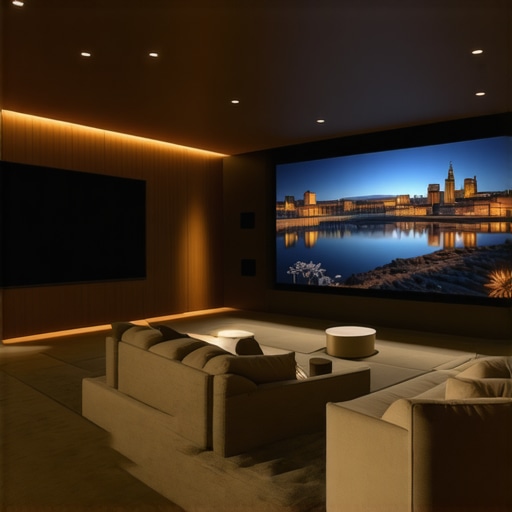
I remember the first time I tried setting up a home theater with a traditional projector—trying to cram a bulky device into a tiny corner, only to realize it cast a shadow or needed a dedicated ceiling mount. The frustration was real. I was chasing that cinematic experience, but my space just didn’t cooperate. That was my lightbulb moment: the right projector isn’t just about specs; it’s about fitting your life, your space, and your needs.
Why the Right Projector Can Transform Your Living Room
Today, I’ll walk you through how to pick a projector that actually makes your movie nights effortless and spectacular. No more guesswork, no more wasted money on models that don’t fit your space or lifestyle. Whether you’re after a sleek ultra short throw that can sit just inches from your wall or a portable powerhouse you can take anywhere, I’ve got insights to help you make the smartest choice.
Is 4K Really Worth the Hype for Home Use?
Many folks worry that 4K resolution is overkill for a home setup. Trust me, I’ve been there. Early on, I bought a budget 1080p projector, thinking it was enough. But once I upgraded to a true 4K model, the difference was shocking—crisp details, vibrant colors, an immersive experience that’s hard to beat. According to a recent report by Home Theater Review, 4K projectors are now more affordable and accessible than ever, making the investment worth it for serious movie lovers and casual viewers alike.
One mistake I made was choosing a model based solely on price—only to realize it lacked good HDR support or decent contrast. That taught me to focus on image quality and features that enhance cinematic experience, like laser light sources or smart connectivity. If you’ve faced this dilemma, you’re not alone. Ready to explore the best options for 2024? Let’s dive in.
Pinpoint Your Space and Goals
Before diving into specific models, assess your room’s size, layout, and lighting. For small, bright rooms, an ultra short throw projector like those detailed here can prevent shadows and ambient light issues. Conversely, larger rooms might need a traditional or laser projector to fill the space with clarity.
Choosing the Right Resolution and Technology
Opt for a 4K projector if you crave cinematic sharpness. When I upgraded my setup, I prioritized models with HDR support and laser light sources, which significantly enhanced brightness and color accuracy. For small spaces, a portable projector like those showcased here can deliver 4K quality without sacrificing convenience.
Matching Projector Type to Your Needs
Ultra Short Throw Projectors
These sit inches from your wall, projecting large images without shadows. I set one up in my compact living room, following the DIY guide here. It was a bit messy at first, with cable clutter, but the result was stunning and space-efficient.
Laser Projectors
Laser technology provides brighter images with better longevity. I tested a few models, referencing comparison guides to determine which offered optimal brightness for my room’s ambient light. Laser projectors are perfect for demanding environments and offer consistent performance.
Portable Models for Flexibility
If you move around or host outdoor movie nights, a portable projector is ideal. I packed my favorite model into a backpack, following the tips in this guide. It’s quick to set up and delivers surprisingly sharp images.
Calibrating for the Best Picture
Once your projector is in place, calibrate the image for color, contrast, and sharpness. Use built-in settings or external calibration tools. I spent an afternoon tweaking my projector, which made a noticeable difference in picture quality, especially for movies with nuanced lighting and color.
Managing Light and Sound
Optimize your environment by controlling ambient light with blackout curtains and adding sound systems for immersive audio. Proper setup enhances the visual experience and makes your home theater truly cinematic.
Building the perfect home theater projector setup is a process of matching technology with your space and needs. With patience and the right knowledge, you can create a setup that rivals commercial cinemas—at home. For more detailed buying tips, check out this comprehensive guide.
Many home theater enthusiasts fall into pitfalls because of misconceptions that seem rooted in marketing hype or outdated advice. Let’s dig deeper into what most people get wrong about projectors, especially in the realms of 4K resolution, ultra short throw, portable options, and laser technology. Understanding these nuances can save you from costly mistakes and help you craft a truly cinematic experience at home.
Why Bigger Isn’t Always Better When Choosing a 4K Projector
It’s a common belief that the higher the resolution, the better the picture. While 4K does offer stunning detail, many buyers overlook the importance of quality processing and HDR support. Some budget 4K models cut corners on color accuracy or contrast, resulting in a less impressive image than a well-calibrated 1080p projector. As I learned from detailed reviews here, the actual viewing experience hinges on more than just pixels—it’s about how well the projector handles dynamic ranges, color depth, and motion clarity. Many assume 4K is a magic fix, but in reality, a high-quality 1080p with good HDR can outperform a low-end 4K in some scenarios.
Ultra Short Throw Can Be Tricky to Install Properly
Everyone says ultra short throw (UST) projectors are perfect for small spaces, but the real challenge is in precise placement and calibration. A common mistake is positioning the projector too close or too far, which causes distortion or a blurry image. Additionally, many overlook the importance of proper screen surfaces or wall treatments—plain walls can introduce color inaccuracies and reflections. For optimal results, follow expert advice and calibration guides here. Otherwise, you might end up with a picture that looks good in theory but disappointing in practice. Remember, ultra short throw is not a set-and-forget solution; it requires careful setup.
Portable Projectors Aren’t Just for Casual Use
Many assume portable projectors are only suitable for occasional movie nights or outdoor use. However, advancements in brightness and resolution mean some portable models can deliver impressive cinematic quality. The catch is in understanding their limitations—battery life, cooling, and input options can be restrictive. When I tested models here, I found that choosing one with a robust cooling system and good connectivity is crucial for consistent performance. Otherwise, you risk a frustrating experience where images flicker or colors are washed out. Portable projectors are not just gadgets—they are serious tools if you select carefully and configure properly.
Laser Projectors Offer Brightness but Not Always Better Value
Laser technology is often marketed as the ultimate upgrade, but many buyers overlook the nuances. Laser projectors do provide higher brightness and longer lifespan, but they can also come with a hefty price tag. Moreover, not all laser projectors are optimized for small spaces—some models are better suited for large rooms or commercial use. According to a comprehensive comparison here, the key is to match the projector’s brightness and contrast capabilities to your room size and ambient light conditions. Otherwise, the premium cost might not translate into a significantly better viewing experience. Be cautious about assuming laser is always the best choice without considering your specific needs and environment.
Have you ever fallen into this trap? Let me know in the comments. Remember, the key to a satisfying home theater setup is understanding the subtleties and not just following marketing hype—this way, your investment truly pays off.
How do I keep my projector running smoothly over time?
Maintaining your home theater projector requires a combination of routine cleaning, proper calibration, and timely upgrades to ensure optimal performance. I personally recommend investing in a high-quality lens cleaning kit, such as a microfiber cloth and compressed air, to regularly remove dust and smudges that can degrade image quality. For laser and 4K projectors, it’s vital to keep the filter systems clean and check for firmware updates, which often include performance enhancements and new features. Many manufacturers release updates via their official websites—making it a good habit to periodically visit these sources or subscribe to their newsletters.
In addition, I suggest setting a maintenance schedule—every 6 to 12 months—where you inspect the lamp or laser light source, depending on your model. For laser projectors, the light source can last 20,000 hours or more, but dimming over time is normal. When I notice a significant drop in brightness, I consider replacing the laser module, which some models allow without replacing the entire projector, saving money in the long run. For traditional lamp-based models, replacing the bulb at the first sign of flickering or color shifts greatly extends their lifespan.
Tools I recommend for long-term projector care
Personally, I rely on a digital color calibration tool like the Datacolor SpyderX to fine-tune the projector’s color output after setup or major updates. This tool ensures consistent, vibrant images whether I’m using my ultra short throw or portable projector. I also use a small, portable vacuum with a brush attachment to clean vents and fans—preventing overheating and ensuring quiet operation. For firmware updates, I bookmark the official support pages of my projector brand, such as Epson or Optoma, and check regularly. These updates often contain important bug fixes and performance improvements that keep the projector functioning at its best.
Predicting the future of projector maintenance
Looking ahead, I believe AI-driven calibration tools will become standard, allowing projectors to automatically optimize settings based on room lighting and content type. Additionally, as laser technology advances, we may see even longer-lasting light sources with self-cleaning filters, reducing the need for manual maintenance. These innovations will make home theater systems more reliable and easier to care for, allowing enthusiasts to focus more on enjoying their movies than troubleshooting issues.
Now is the perfect time to try one of these advanced maintenance tips—like using a color calibration tool—to get your projector picture perfect and extend its lifespan. Regular care not only preserves image quality but also protects your investment in a high-quality home theater setup.
The Hardest Lesson I Learned About Home Theater Projectors
One of the biggest revelations was realizing that resolution alone doesn’t define a projector’s quality. I once bought a 4K projector solely based on specs, only to be disappointed by poor contrast and color accuracy. It taught me that image processing, HDR support, and light source quality matter just as much, if not more, than pixels. This insight saved me from costly mistakes and helped me focus on what truly enhances cinematic immersion.
What I Wish I Knew Before Choosing a Portable Projector
Initially, I thought portability meant sacrificing image quality. I discovered that some portable models now rival fixed installations, offering bright, sharp images with 4K resolution. But the secret is in understanding their limitations—battery life, cooling, and input options. Knowing this allowed me to select a portable projector that fits my outdoor movie nights without compromise, transforming my expectations of what mobile cinema can be.
Why Ultra Short Throw Isn’t Just a Space Saver
Many assume ultra short throw projectors are foolproof for small rooms, but proper setup is crucial. I learned that precise placement and calibration make all the difference. Walls textured with paint or wallpaper can distort colors, so choosing the right screen surface or wall treatment is essential. This experience taught me that a little extra effort in setup yields a stunning picture that truly maximizes space efficiency.
How Laser Technology Changed My Home Theater Experience
Switching to a laser projector was a game-changer. The brightness, color vibrancy, and lifespan far exceeded my expectations. However, I also realized that laser isn’t always the best choice for every room—cost and room size matter. When I calibrated my laser projector with a color tool, I unlocked its full potential. This taught me that understanding your environment is key to leveraging laser tech effectively.
My Essential Toolkit for Home Theater Projectors
- Datacolor SpyderX — Trusted for precise color calibration, ensuring vibrant, accurate images every time.
- Microfiber cleaning kit — Keeps lenses and filters dust-free, maintaining peak performance.
- Firmware update subscriptions — Manufacturers regularly release updates that improve stability and features. Bookmarking official support pages like here ensures I stay current.
- Room light management — Blackout curtains and ambient light controls are vital for picture quality. Without them, even the best projector struggles to shine.
Elevate Your Home Theater Journey Today
The future of home theater projectors promises smarter, more reliable systems that adapt to your environment. Whether you choose a 4K laser, ultra short throw, or portable model, the key is understanding your space and needs. With the right setup, you can create a cinematic experience that rivals the best theaters—right in your living room. Now is the perfect time to start your upgrade and enjoy movies like never before.
What’s been your biggest challenge when setting up a home theater projector? Share your experience below and let’s learn from each other!