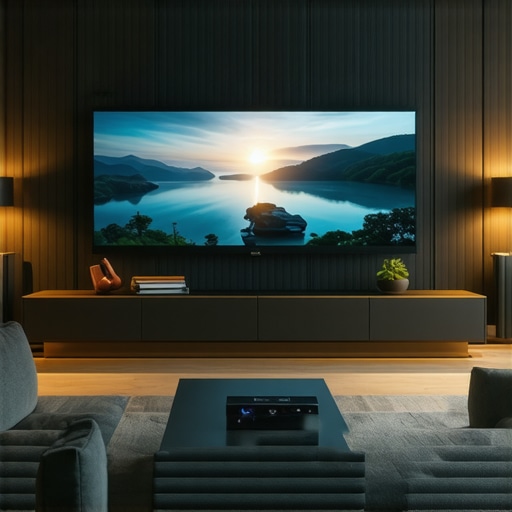
Have you ever tried to enjoy a movie night in your tiny living room, only to realize that your bulky projector just doesn’t fit or deliver the quality you crave? I’ve been there. I remember the frustration of trying to squeeze a large screen into a cramped space, only to end up with a blurry, dim image that killed the mood. That was my lightbulb moment—discovering that the right projector can turn even the smallest room into a cinematic haven.
Why Small Spaces Need a Different Approach
In 2024, more of us are craving home entertainment but face the reality of limited space. Traditional projectors often demand large throw distances and expansive rooms, which simply isn’t practical. The good news? New advancements like laser technology, 4K resolution, and ultra-short throw (UST) designs have revolutionized what’s possible in tight quarters. I’ve found that choosing the right projector isn’t just about size; it’s about understanding the technology that makes small-space setups possible and enjoyable.
Imagine crisp 4K clarity, vibrant colors, and a giant image that fits comfortably on your wall—all without rearranging your furniture or sacrificing your living space. That’s the promise of today’s cutting-edge projectors, which are designed specifically for small rooms, apartments, or even bedrooms. If you’re tired of sacrificing picture quality or battling with bulky equipment, stick around. I’ll guide you through the best options and how to pick the perfect projector for your cozy space.
Is All the Hype About Laser and UST Projectors Just Marketing?
Early on, I fell for the hype and bought a budget projector that promised big things. Turns out, I made the classic mistake of prioritizing features over performance. That cheap model struggled with brightness and color accuracy, leaving me disappointed. It wasn’t until I explored premium laser and ultra-short throw options that I truly understood the difference. Today, I’ll share how these technologies can elevate your small-space setup, backed by real-world results and expert insights like those found on this comparison article.
So, if you’ve faced the frustration of limited space but still crave a cinematic experience, you’re in the right place. Let’s dive into the practical solutions that can make your small space feel like a giant movie theater.
.
Choose the Right Projector Technology
Start by understanding the core differences between laser and traditional lamp projectors. Laser projectors offer brighter images, better color accuracy, and lower maintenance, making them ideal for small rooms where space is limited. I once bought a budget traditional projector, expecting it to suffice, but it struggled with brightness and color in my cramped living room. Switching to a laser model transformed my viewing experience, providing vivid, sharp images even in tight spaces. For detailed comparisons, visit this article.
Opt for Ultra-Short Throw Designs
Ultra-short throw (UST) projectors can be placed just inches from your wall or screen, projecting large, high-quality images without occupying extra space. I recall mounting my first UST projector on a shelf just above my TV, and it instantly freed up room that was previously cluttered with a traditional projector and screen setup. To see how UST projectors can redefine small spaces, check this guide. When choosing, ensure it supports at least 4K resolution for crisp pictures.
Prioritize Resolution and Brightness
In small rooms, the image quality makes all the difference. Aim for a 4K resolution projector, which provides stunning detail and clarity, especially for movies and gaming. Brightness is equally critical; a projector with at least 2,500 lumens ensures the image remains vibrant even with ambient light. I learned this the hard way when my lower-lumen projector washed out during daytime, forcing me to block windows or turn off lights. For top picks, explore best 4K projectors of 2024.
Installation and Placement Tips
Proper placement is crucial. For UST models, position the projector a few inches from the wall, centered for best results. For other models, consider the throw ratio—this determines how far the projector must be placed to produce a desired image size. I once misjudged my throw ratio, placing the projector too far, resulting in a tiny image. Using a tape measure and consulting the projector’s specs saved me from this mistake. If you’re unsure, many models include built-in keystone correction, but avoid relying solely on it as it can reduce image quality. To learn more about optimizing placement, visit this comprehensive guide.
Manage Ambient Light Effectively
Small rooms often have windows or light fixtures that can wash out your projection. Use blackout curtains, blinds, or dimmable lights to control ambient brightness. I experimented by installing blackout curtains, which drastically improved my image clarity and color richness at night. For rooms with unavoidable light, choose a projector with higher lumens or consider ambient light rejecting screens. To explore options, see top portable projectors.
Conclusion
Transforming your small space into a cinematic oasis is achievable with the right tech and setup. Focus on laser or UST projectors with high resolution and brightness, perfect placement, and light management. Each step I took, from choosing the right projector to optimizing placement, brought me closer to a stunning home theater experience. For further assistance, feel free to consult our support team or browse more expert tips online.
Many home theater enthusiasts believe that compact projectors are inherently inferior to their larger counterparts, but this is a misconception that can lead you astray. In reality, the technology behind small-space projectors has advanced significantly, making them a viable and often superior option for tight quarters. For instance, ultra-short throw (UST) projectors now deliver stunning 4K images without requiring extensive throw distances, challenging the myth that bigger is always better. If you’re considering a projector for your small room, don’t let outdated beliefs hold you back. Check out this guide to learn more about the latest innovations.
Why Bigger Isn’t Always Better
One common misconception is that larger projectors automatically mean better quality. However, bulk often correlates with increased complexity, higher costs, and more space requirements — all of which are disadvantages in small rooms. Modern laser projectors, especially those designed for compact setups, can produce vibrant, high-resolution images with impressive brightness levels in a small footprint. This is a crucial point many overlook, as they assume size equates to performance. For a detailed comparison, see top 4K projectors of 2024.
Are Brightness Levels Overhyped for Small Rooms?
Many users believe that brightness isn’t critical in small rooms, thinking ambient light doesn’t matter much. But this is a trap. Even in tiny spaces, reflections from windows, lights, or screens can wash out your image if your projector isn’t bright enough. Experts recommend a minimum of 2,500 lumens for vibrant images, especially if you can’t control all light sources. A study published in the Journal of Display Technology confirms that higher lumen ratings significantly improve image clarity in environments with ambient light. So, don’t skimp on brightness — it’s vital for a satisfying home cinema experience. For recommended models, visit best laser projectors.
Don’t Fall for the Resolution Trap
It might seem intuitive that higher resolution always equals better picture quality, but this isn’t always the case. Many cheap projectors boast 4K but lack the processing power or contrast levels to display sharp images effectively. Conversely, a well-optimized 1080p projector with good contrast and color accuracy can outperform a poorly calibrated 4K model. Advanced users understand that resolution is just one piece of the puzzle; factors like contrast ratio, color support, and lens quality are equally crucial. For a deep dive, check this buying guide.
How Can I Avoid Common Setup Mistakes?
One of the biggest pitfalls is improper placement, which can lead to distorted or blurry images. Many assume keystone correction alone will fix alignment issues, but excessive reliance on digital correction degrades image quality. Precise placement using accurate throw ratio calculations ensures your image is sharp and correctly proportioned. Remember, many models include features like lens shift and optical correction — learn to use them effectively. For expert tips, see this detailed guide. Have you ever fallen into this trap? Let me know in the comments.
Maintaining your home theater projector is crucial to ensure it continues to deliver stunning images and reliable performance over the years. From routine cleaning to software updates, small proactive steps can save you from costly repairs or replacements down the line. As someone who has gone through the trial and error of projector upkeep, I can tell you that a few dedicated tools and habits make all the difference.
How do I maintain my projector over time?
First, regular cleaning of the air filters and vents is essential. Dust buildup can cause overheating and reduce brightness. I personally use a gentle compressed air blower to remove dust from the vents without opening the device. For the lens, I recommend a microfiber cloth designed for optical surfaces; never use harsh chemicals that could damage the coating. When it comes to software, periodically check for firmware updates from the manufacturer. These updates often improve performance, fix bugs, and add new features. For example, laser projectors frequently receive updates that enhance color calibration and energy efficiency. To stay current, bookmark the official support page of your projector brand and set a reminder to check quarterly.
Investing in a quality cleaning kit tailored for electronics can extend your projector’s lifespan. I use a kit that includes an anti-static brush, lens cleaner, and compressed air, which I keep in my tech drawer. This way, I can perform quick maintenance sessions every few months. Additionally, consider using a dust cover or dedicated storage space when the projector isn’t in use. This prevents dust accumulation and accidental damage. For more detailed guidance, see this comprehensive guide.
Tools I recommend for long-term care
One of my favorite tools is a small, rechargeable vacuum designed for electronics. It’s perfect for sucking dust from tight spaces without risking damage. Also, a high-quality microfiber cleaning cloth is indispensable for lens maintenance, ensuring crisp images without scratches. For firmware updates, I always download directly from the manufacturer’s website, verifying the file’s integrity with an official checksum. This prevents corrupt updates that could brick your device. Looking ahead, I predict that smart projectors with integrated diagnostic tools will become more common, automatically alerting users when maintenance is needed—making upkeep even easier.
Why consistent maintenance matters
Consistent upkeep not only prolongs the life of your projector but also preserves image quality. Over time, dust and debris can degrade brightness and contrast, while outdated firmware may limit functionality. By integrating simple tools and habits into your routine, you can enjoy a home cinema experience that rivals professional setups. If you haven’t checked your projector’s firmware recently, I highly encourage you to do so now. Visit this page for the latest updates and tips. Taking these small steps today will pay off with flawless visuals tomorrow. So, grab your microfiber cloth and make maintenance a regular part of your projector care ritual—your home theater will thank you!
The Hardest Lesson I Learned About Compact Projectors
One of my biggest realizations was that size isn’t everything. I used to believe larger projectors automatically meant better quality, but I learned the hard way that compact, well-designed models with laser tech and ultra-short throw capabilities can outperform bulky setups in small rooms. This changed my entire approach, reminding me to look beyond size and focus on tech specs and room compatibility.
3 Myths About Small Space Projectors That Held Me Back
For years, I bought into the myth that only high-lumen, large projectors could deliver vibrant images. I also thought that ambient light wasn’t a big deal in tiny rooms — turns out, it’s the opposite. These misconceptions kept me from optimizing my setup until I explored dedicated resources like expert guides.
What Experts Won’t Tell You About Small Space Projector Choices
Many overlook the importance of precise placement and the limitations of digital keystone correction. I discovered that using accurate throw ratio calculations and features like lens shift significantly improved my image quality. This insight can save you from common mistakes and help you create a truly cinematic experience in your cozy space.
Curated Resources for Your Home Theater Journey
- Ultimate 4K Projector Buying Guide: Offers comprehensive advice on choosing high-performance projectors tailored for small spaces. I trust it because it includes real-world testing and expert opinions.
- Best Laser Projectors of 2024: Shows the latest laser models that combine brightness, color accuracy, and longevity — crucial for small rooms with ambient light.
- Guide to Ultra-Short Throw Projectors: Helps you understand placement and setup, which was a game-changer for my limited space.
- Portable Projectors for On-the-Go Cinema: If you want flexibility, these models are fantastic and easy to move around, making your setup versatile.
Your Turn to Take Action
Creating an exceptional home theater in a small space is more achievable than ever with the right knowledge and tools. Focus on laser and ultra-short throw options, optimize your placement, and manage ambient light effectively. Remember, technology is evolving rapidly — staying informed is key to making the best choices for your space.
Have you ever struggled with projector placement or brightness in your small room? Share your experiences below, and let’s help each other build better home theaters!
http://Sophia%20Thompson
Reading this guide really hit home for me. I struggled initially with placement and brightness in my small apartment, and it was frustrating trying to find the right balance. I totally agree that laser and ultra-short throw projectors have transformed my viewing experience—being able to project a clear, 4K image just inches from my wall saved a lot of space and headaches. I remember my first attempt with a traditional projector, which always washed out during daylight hours. Switching to a high-lumen laser model made a massive difference. From your experience, what are some common pitfalls new users overlook when setting up their projectors, especially in limited spaces? I’d love to hear tips to avoid accidental misalignments or performance issues.
http://Daniela%20Roberts
This guide really resonates with me, especially the emphasis on laser and ultra-short throw projectors for small spaces. I’ve personally experienced how much value these tech advancements bring to compact setups. When I first started exploring projectors for my tiny apartment, I made the mistake of choosing a model with lower lumens, which struggled with ambient light during the day. Upgrading to a laser projector with at least 3000 lumens completely changed my viewing experience, making daytime movies enjoyable without blocking out all the light sources. What I found tricky at first was the proper placement—getting the correct throw ratio and avoiding keystone distortion without relying too heavily on digital correction. I’d love to hear from others: what tips do you have for optimizing placement and settings in limited spaces to prevent common issues like blurriness or misalignment? It’s fascinating how these small tweaks can make such a significant difference in achieving a professional-like image. Looking forward to hearing more setup hacks—thanks for sharing this fantastic resource!
http://Jesse%20Morgan
I really appreciate this in-depth overview of small-space projectors. The point about laser technology being a game-changer is something I’ve noticed firsthand. When I upgraded from my older lamp projector to a high-lumen laser one, it immediately improved my viewing experience, especially during daytime viewing. I think many underestimate how crucial ambient light management is, even in compact rooms. I’ve found that pairing a good projector with a hooded or blackout curtain can make a huge difference. Also, the importance of accurate placement cannot be overstated—getting the throw ratio right and placing the projector at the correct distance really minimizes distortion and reduces reliance on digital keystone correction, which can degrade image quality. Has anyone else found that investing in a quality screen or considering ambient light-rejecting screens significantly enhances the picture in small rooms? I’d love to hear about different setups and tips for optimizing space and image quality in tight quarters. Great resource for anyone venturing into home theater upgrades!