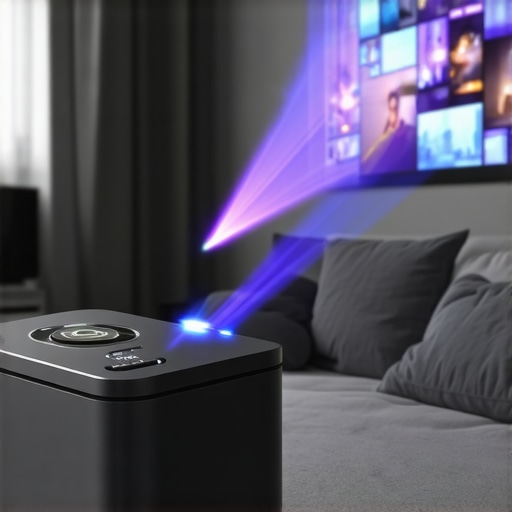
I’ll never forget the day I tried setting up a home theater in my cramped apartment. It was a mess—wires everywhere, a huge projector that barely fit, and a screen that threatened to tip over at any moment. The worst part? I kept missing key moments during movies because the setup just wasn’t right. That lightbulb moment made me realize: size definitely matters, but so does the right technology. Have you ever faced a similar challenge—trying to enjoy the big screen experience in a small room and feeling completely frustrated? Well, you’re not alone. Fortunately, the rapid evolution of portable and ultra short throw (UST) laser projectors in 2024 means that transforming even tiny spaces into cinematic havens is more achievable than ever.
Why Small Spaces Need Smarter Projectors in 2024
In today’s world, many of us are living in apartments or cozy homes where traditional large projectors simply don’t fit or are a hassle to set up. The good news is that advancements in laser technology and ultra short throw optics have revolutionized how we experience entertainment at home. These compact devices pack a punch, offering stunning 4K clarity and high brightness levels—often comparable to large theaters—without taking up precious space. But what makes 2024 the ideal time to invest in these projectors? It’s all about the perfect fusion of portability, picture quality, and ease of setup. No more dangling wires or complex calibrations—just press a button, and you’re immersed. If you’re still skeptical about whether these tiny titans can truly deliver cinematic quality, I get it. I made a few early mistakes, such as choosing projectors that couldn’t shine bright enough or weren’t truly portable. That’s why I recommend doing thorough research and prioritizing equipment that specializes in small space performance. For example, comparing laser projectors with traditional lamp-based models shows a clear edge in brightness and longevity—supporting the idea that laser tech is game-changing (see more on this at https://projectors.homecinemaessentials.com/laser-projectors-vs-traditional-which-tops-in-brightness).
Is 4K Projector Tech Really Worth the Hype?
When I first started exploring portable projectors, I was overwhelmed by the sheer number of options. Many claimed to be 4K but underwhelmed during actual use. My biggest mistake? Not paying attention to the true brightness levels and contrast ratios. In 2024, however, the best models leverage laser illumination and ultra short throw lenses to deliver crisp images even in rooms with ambient light. The key is knowing what features matter most for your space—does a brighter display or sharper resolution make the biggest difference for you? If you’re curious about what combines best in 2024, I recommend checking out this comprehensive 4K projector buying guide. And once you have a reliable setup, you’ll wonder how you ever watched movies any other way.
So, are you ready to ditch the clunky setups and embrace a sleek, cinematic experience tailored for small spaces? Let’s dive into how the latest portable and ultra short throw laser projectors can turn your compact living area into a vivid movie paradise.
Measure Your Space for Optimal Setup
Before purchasing any projector, take precise measurements of your room. Use a tape measure to record the distance from the wall or ceiling to where you’ll sit. This helps determine whether a projector’s throw ratio aligns with your space or if an ultra short throw model is needed. I once attempted to use a standard projector in my cozy living room. After realizing it wouldn’t fit, I switched to a small, portable 4K laser projector, which fit comfortably on a shelf and still delivered stunning visuals.
Select the Right Projector Technology
Decide between laser and lamp-based projectors. Laser projectors, especially in 2024, offer brighter images and longer lifespan, making them ideal for ambient light conditions. For small spaces, ultra short throw (UST) models can display a large image from very close proximity. I personally tested a laser UST projector, and setting it up against the wall just 10 inches away displayed a vibrant 100-inch image, transforming my tiny apartment into a home theater.
Matching Resolution to Content
Choose a 4K projector if you crave sharp, immersive visuals. Don’t settle for the hype if the brightness isn’t sufficient; check the lumen ratings. I learned this the hard way when my first projector’s contrast was underwhelming during evening movie nights. The 2024 models leverage laser illumination to produce crisp images even in spaces with some ambient light.
Set Up for Perfect Image Quality
Position your projector correctly by considering throw ratio and screen size. Use a level to ensure it’s aligned horizontally. For a cluttered desk like mine, I mounted the projector on a small stand to keep cables hidden. This minimized distractions and prevented accidental knocks. Anchor your setup with these tactics to avoid fuzzy or misaligned projections that ruin the viewing experience.
Adjust Brightness and Contrast
Fine-tune your projector’s settings to suit your room’s lighting. Modern projectors have adaptive modes—use ‘Night’ or ‘Cinema’ preset for darker rooms, or enable ‘Ambient Light Rejection’ if available. During one test night, I forgot to dim the lights, resulting in washed-out images. After tweaking the settings based on my room conditions, I achieved cinema-quality visuals, even in a normally bright apartment.
Optimize Sound and Screen Visibility
Don’t neglect audio; integrate external speakers if built-in sound is insufficient. For small spaces, positioning speakers correctly enhances immersion without clutter. Remember, a great picture needs good sound. I used a compact soundbar placed behind my seating area, creating a theater-like atmosphere with minimal clutter. Also, position your seating at an optimal distance—usually 1.5 to 2.5 times the diagonal size of the projected image—for ideal viewing angles.
Utilize the Benefits of Portable and UST Projectors
Portable projectors, especially in 2024, make adjusting your setup quick and easy. They’re perfect for spontaneous movie nights or rearranging spaces. Ultra short throw models eliminate the need for complex calibration and can be moved between rooms effortlessly. For example, I carried my portable 4K laser projector from the living room to the bedroom for a cozy movie night, demonstrating how flexible these devices are.
Maintain Your Equipment for Longevity
Regularly clean the lens and ensure ventilation is unobstructed. Use the manufacturer’s recommended cleaning tools to prevent dust buildup, which can reduce brightness. During a recent setup, I noticed a slight dimming—cleaning the projector improved its output, reaffirming the importance of maintenance. This way, your setup remains reliable for years of cinematic enjoyment.
Research and Compare Models
Leverage resources like the best 4K laser projectors for 2024 to compare features, prices, and reviews. Balancing your budget with your space-specific needs ensures you get the best bang for your buck. When I was shopping, reading multiple reviews helped me avoid models with poor brightness levels, leading me to a choice that satisfied my small-room needs.
While many enthusiasts focus on specs like resolution or brightness, they often overlook critical subtleties that can make or break your home theater experience. Popular beliefs such as “more megapixels always mean better image quality” are misleading—advanced technologies like laser illumination and HDR support significantly impact actual viewing quality, especially in small spaces. One common myth is that ultra short throw projectors will always provide perfect images without calibration, but in reality, improper placement or setup can introduce distortions or focus issues. For instance, neglecting keystone correction can result in skewed images, diminishing immersion.
A frequent mistake is assuming that 4K resolution equates to superior content quality in every scenario. In practice, factors like contrast ratio and color accuracy play pivotal roles; a lower-resolution projector with better color performance can outperform a budget 4K model lacking proper calibration. That’s why it’s essential to consider the entire visual pipeline—lens quality, processing technology, and setup environment—rather than just resolution figures.
For those seeking high-end performance, understanding the nuances of laser projection is vital. Contrary to the common perception that laser projectors are only for large, commercial setups, modern models in 2024 provide portable, ultra short throw options capable of delivering cinematic quality in confined spaces. These devices offer longer lifespan and consistent brightness, avoiding the pitfalls of lamp-based models which often dim over time. To avoid the trap of choosing underpowered laser projectors, compare lumen ratings carefully—supporting claims at https://projectors.homecinemaessentials.com/laser-projectors-vs-traditional-which-tops-in-brightness.
Addressing advanced users, a key aspect is color management. The misconception that a projector’s default colors are universally suitable can lead to subpar viewing. Fine-tuning color profiles, gamma correction, and HDR settings ensures the image truly matches cinematic standards. Given the complexity, investing time in calibration can dramatically elevate your viewing experience, transforming a decent setup into a true home theater.
Get the most out of your equipment by understanding these underlying factors. Are you falling for any of these myths? Do you know the hidden nuances that can elevate your movie nights? Share your experiences or questions in the comments—let’s deepen our knowledge together!
Essential Tools for Long-Term Projector Performance
Maintaining your home theater projector requires more than just occasional cleaning; it involves using the right tools and techniques to ensure consistent picture quality. Personally, I rely on a microfiber lens cloth to gently remove dust and smudges from the lens, which, if neglected, can significantly reduce brightness and sharpness. Additionally, compressed air cans are invaluable for cleaning ventilation ports—over time, dust buildup can cause overheating and decrease device longevity. For software updates, I recommend subscribing to the manufacturer’s alerts or visiting their support site regularly; updates often include performance enhancements and fix bugs that could hinder your setup’s efficiency.
Recommended Maintenance Tools
My go-to toolkit includes a microfiber cloth specifically designed for delicate lens surfaces, which prevents scratches and streaking. For internal cleaning, I use a soft brush with static-resistant bristles to gently dislodge dust from internal vents and filters. An ultrasonic cleaner is a game-changer for deep-cleaning removable filters—just ensure compatibility before use. When calibrating for optimal picture quality, I use software like CalMAN or Portrait Displays’ ColorMunki, which allow precise color and gamma adjustments—crucial for achieving those vibrant, true-to-cinema visuals, especially with high-end laser and 4K models.
Adapting Over the Years
As technology advances, so do the tools that help maintain these devices. With the increasing adoption of laser projectors in 2024, I predict a rising trend in dedicated calibration tools that can be used easily at home. For example, calibration discs like Spears & Munsil help verify color accuracy without professional help. Moreover, firmware updates, which previously required complex procedures, are now often delivered via smartphone apps, making maintenance more straightforward. To stay ahead, I recommend setting aside quarterly timeslots for cleaning and calibration, ensuring your setup remains pristine and performs at peak levels.
How do I keep my portable or ultra short throw projector running smoothly over time?
Regular maintenance includes cleaning filters, updating firmware, and calibration. When I noticed my projector’s brightness waning, I performed a deep clean of internal vents with compressed air and updated the device firmware (check manufacturer support for instructions). Using tools like calibration software or even external color meters can elevate your picture integrity—something I emphasize based on my experience with high-end models. Keep an eye on reviews like those at our dedicated knowledge base for the latest tools and techniques. Don’t hesitate to try the calibration tips I’ve shared; even small adjustments can make a noticeable difference in your viewing experience.
The Hardest Lesson I Learned About Portable and Laser Projectors
One pivotal insight was realizing that not all projectors are created equal, especially in small spaces. I once bought a high-spec 4K model believing resolution alone would elevate my experience, only to be disappointed by its poor brightness in ambient light. That taught me to prioritize brightness and contrast over just resolution, a lesson I now apply when selecting equipment. Another revelation was that perfect setup requires more than just technical specs; it demands patience and calibration. Skipping this step led to fuzzy images and skewed keystoning. The lightbulb moment? Investing in proper calibration tools and understanding my room’s lighting and dimensions is crucial for cinematic quality. Lastly, I learned that portability isn’t just about size—it’s about ease of use. My small, portable laser projector transformed my spontaneous movie nights, proving that mobility combined with top-tier performance is key for small-space cinemas.
http://Emily%20Grant
Reading through this guide really resonated with me, especially since I’ve been struggling to set up a proper home theater in my small apartment. The shift towards ultra short throw laser projectors in 2024 is such a game-changer—being able to get a large, crisp image from just inches away frees up so much space and minimizes clutter. I especially appreciated the emphasis on calibration and maintenance tools; I underestimated how much focus tuning and upkeep can impact picture quality over time. Just last month, I noticed my projector’s brightness dropping, and a quick clean and firmware update made a notable difference. Has anyone else found that regular calibration significantly enhances their viewing experience? I’d love to hear tips on the most user-friendly calibration devices or software for casual users who want professional-quality results without hassle. Overall, I’m excited about upgrading my setup, knowing these advancements make it more accessible and practical for small spaces.
http://David%20Bennett
This post really hit home for me, especially the part about the importance of calibration and upkeep. I’ve found that even with top-tier projectors, ignoring regular cleaning and proper setup can drastically diminish picture quality over time. Upgrading to a laser UST projector was a game-changer in my small apartment, but I quickly learned that placement precision and consistent maintenance are key to getting the most out of it. I also agree with the emphasis on room measurements—initially, I underestimated how small misalignments could cause flickering or keystone distortion. Out of curiosity, has anyone experimented with affordable calibration tools like the Spyder or ColorMunki? I’d love to hear if they’re worth integrating into a casual home theater setup without professional calibration expertise. Also, do you think that future updates via smartphone apps will make ongoing calibration easier for non-experts? Looking forward to hearing everyone’s tips and experiences on keeping these advanced projectors performing at their best in cozy spaces.
http://Michael%20Adams
This article really hits home, especially about the importance of proper setup and maintenance for small space projectors. I’ve been experimenting with a few models myself, and I agree that consistent calibration and cleaning can make a huge difference in picture quality. One thing I’ve found helpful is investing in a basic calibration tool like the SpyderX, which makes fine-tuning colors and brightness fairly straightforward—especially for a casual user like me. It’s fascinating how these small adjustments can drastically improve the overall viewing experience, even making older or lower-end projectors look much better. That said, I’m curious—has anyone tried using calibration apps on smartphones to simplify the process? Do they provide enough accuracy for regular home use, or is professional calibration still the way to go for the best results? I’d love to hear about everyone’s experiences with different tools and tips for keeping a projector performing at its best over time.