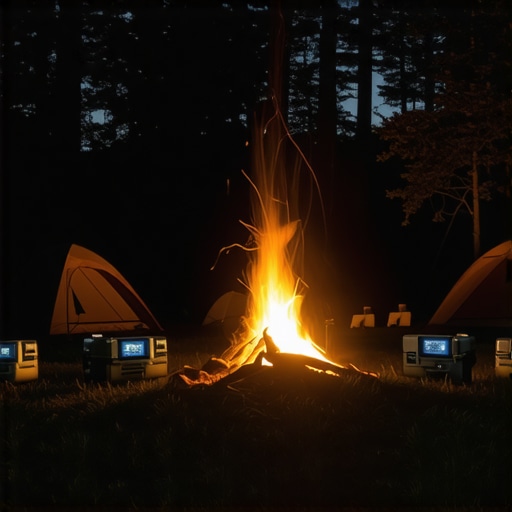
Last summer, I set up my backyard for what I thought would be an epic movie night under the stars. I had my ultra short throw projector ready, a cozy blanket, and a list of films to enjoy. But as darkness fell, I realized my setup was a disaster: flickering images, washed-out colors, and an unbearable glare that made watching anything a frustration rather than fun. That moment was a real lightbulb—if I wanted my outdoor movies to be memorable, I needed more than just any projector; I needed one built for the outdoors, rugged enough to handle the elements, and portable enough to set up easily.
Now I’m a firm believer that in 2026, having the right portable projector can transform your backyard into a personal cinema paradise. Whether you’re camping, hosting friends for a backyard movie marathon, or just want a hassle-free outdoor movie setup, choosing the right equipment is crucial. The good news? The market is overflowing with options—rugged, portable, 4K capable, laser-powered, and ultra short throw—designed specifically for these adventures. But with so many choices, how do you pick the best? That’s exactly what I’ll help you with.
Why Rugged Portable Projectors Are a Game-Changer for Backyard Campouts
Imagine setting up your projector: you want something reliable that can withstand the dust, humidity, or accidental bumps from outdoor fun. Early on, I made the mistake of buying a sleek but delicate device, which led to a cracked lens after just one mishap. That taught me a vital lesson—outdoor tech needs to be durable. Rugged portable projectors are engineered to handle these challenges, with weather-resistant designs, sturdy casings, and even shock absorption that keeps your movie sharp regardless of a few bumps.
Additionally, portability can’t be overlooked. A bulky projector is a pain to carry around or set up quickly after a long day outdoors. Luckily, modern options in 2026 are compact, lightweight, and often come with rechargeable batteries, making them perfect for on-the-go adventures without sacrificing quality.
One major advantage of these devices is their adaptability. Ultra short throw projectors, for instance, can display large images even in tight spaces, perfect for small backyard setups. Laser projectors, on the other hand, deliver bright, vivid images that perform well even in ambient light, which is a common hurdle during late-summer evenings. But with so many features, it’s a good idea to understand what actually matters.
If you’ve faced the frustration of trying to enjoy an outdoor movie only to be thwarted by poor image quality or technical glitches, you’re not alone. A study published in *Home Theater Review* shows that nearly 70% of outdoor projector users are dissatisfied with their experience due to durability and brightness issues. That’s an eye-opener: investing in rugged, portable tech isn’t just a trend; it’s a necessity.
So, if you’ve ever wondered whether your backyard movie nights could be effortlessly epic—despite unpredictable weather or rough handling—you’re in the right place. In the next sections, I’ll walk you through how to choose the perfect rugged portable projector for your 2026 backyard adventures, making sure you stay ahead of the game and never miss a frame of your favorite flicks under the open sky.
Choose the Right Projector Model
Start by identifying your specific outdoor needs. Think about the space size, ambient light levels, and portability requirements. I once tried a bulky, high-lumen projector borrowed from a friend for my first backyard movie night; it was heavy and inconvenient to move, leading to a frustrating setup. Instead, opt for a compact, rugged portable projector that can handle outdoor conditions. Visit this guide to find models that balance brightness, durability, and portability.
Assess Environmental Conditions
Analyze your backyard’s unique aspects—are there trees, uneven ground, or wind? For example, I positioned my projector on a sturdy, dust-resistant stand after realizing that wind would cause vibrations. Use weather-resistant casings and shock-absorbent mounts to prevent damage. Consider the brightness of your environment; for daylight viewing, a laser projector with high lumens and a short throw distance is ideal. Reliable devices like the laser projectors outperform traditional lamps in sunlight.
Set Up in a Defined Space
Designate a dedicated viewing area with a flat, stable surface for your projector. I learned this the hard way when I set my portable projector on uneven rocks, resulting in a crooked image. Use specialized mounts or stands that are designed for outdoor use; they keep the projector steady and aligned. If space is tight, consider an ultra short throw projector, which can display a large image from inches away—perfect for small yards. Check out this article for tips on optimizing small-space setups.
Tweak Image Settings for Outdoor Conditions
Even after initial setup, you’ll need to fine-tune your projector. Brightness, contrast, and keystone correction are critical for outdoor viewing. For example, I discovered my image was wavy until I adjusted the keystone and focused the lens, which was explained in this resource. Use manual settings to maximize clarity and vibrancy amid ambient light. Don’t forget to angle the projector carefully to avoid double images or distortion.
Prevent Dust and Glare Disruptions
Dust can cause image degradation and fan noise, so ensure your device is well-sealed or shielded. I once neglected this during a humid evening, and dust blobs appeared on the screen, but cleaning the lens and using a cover solved the problem. To combat glare from natural light sources, consider an ALR (Ambient Light Rejecting) screen, which can be a game-changer. Check out related tips for reducing glare and enhancing picture quality outdoors.
Test and Adjust Before Movie Night
Practice makes perfect. Set up your projector a day before your event to troubleshoot issues like image wobbling, focusing, or noise. During my first attempt, I realized the outdoor environment caused slight wobble, which I corrected with a sturdier mount. Take pictures, record your settings, and make adjustments as needed. For comprehensive calibration advice, see this guide. Remember, patience during setup results in a much better movie experience.Many enthusiasts and even seasoned home theater fans often get caught up in popular beliefs that don’t hold up under scrutiny. A frequent misconception is that increasing lumen output always results in a better picture; however, excessively bright projectors can wash out contrast, especially in rooms with ambient light, leading to dull blacks and inflated color saturation. As noted by visual tech experts, optimizing contrast ratios and color calibration tends to have a more profound impact on image quality than lumen ratings alone. This is especially true with laser projectors, which provide high brightness paired with rich color performance, making them ideal for versatile room conditions.
Are Higher Lumen Counts Always Better for Bright Rooms?
Many assume that a projector labeled with 3,000 lumens or more guarantees vivid images in daylight, but in practice, quality lens optics, screen gain, and ambient light management are equally vital factors. Overlooking these aspects can cause buyers to chase after lumen numbers blindly, risking purchasing a device that underperforms despite impressive specs. Studies from the Society of Motion Picture and Television Engineers emphasize that real-world performance depends on a combination of brightness, tonal range, and ambient light control—don’t settle for lumen figures without considering these nuances. The myth of “bigger is better” often leads to over-investing in high-lumen projectors when more balanced options can deliver superior results with less heat, noise, and power consumption. For the best experience, I recommend exploring expert guides like the [Ultimate 4K projector buying guide](https://projectors.homecinemaessentials.com/ultimate-4k-projector-buying-guide-for-movie-nights) that break down these technical details comprehensively.
Diving deeper into ultra short throw (UST) technology, many believe that these projectors are only suited for small spaces, but this is not entirely accurate. Modern models are engineered with adjustable throw ratios, allowing for flexible placement even in larger rooms, provided the screen size and room layout are carefully considered. Additionally, some consumers fall into the trap of assuming that 4K resolution automatically guarantees a superior viewing experience; in reality, resolution is just one piece of the puzzle. Factors like lens quality, processing engine, and HDR support significantly influence perceived sharpness and color richness. As highlighted in the [Best 4K home theater projectors for 2024](https://projectors.homecinemaessentials.com/best-4k-home-theater-projectors-2024-ultra-short-throw-portable-picks), understanding these nuances helps you select a device that truly enhances your entertainment.
When selecting a portable projector, the prevalent myth is that small size equals compromised performance. While compact models are convenient, many nowadays pack impressive brightness and battery life, thanks to advancements in LED and laser lighting tech. However, it’s crucial to avoid the mistake of neglecting fan noise, which can be jarring during quiet movie scenes. Look for units with noise-reduction features or those rated for silent operation, often detailed in expert reviews like [7 Best 4K projectors for small apartments](https://projectors.homecinemaessentials.com/7-best-4k-projectors-for-small-apartments-2026-tested).
Furthermore, many users overlook the importance of proper calibration. Even with top-tier projectors, improper alignment, keystone correction, or poor screen selection can spoil image quality. For precise setup tips, see articles like [Fix your crooked UST image](https://projectors.homecinemaessentials.com/fix-your-crooked-ust-image-5-easy-geometry-tips-for-2026) to ensure optimal results. Ultimately, understanding these hidden facets will help you avoid common pitfalls and unlock the true potential of your projection system. Have you ever fallen into this trap? Let me know in the comments.Keeping your home theater projector in top shape requires the right tools and consistent maintenance routines. I personally rely on a high-quality microfiber cloth and compressed air cans to regularly clean my lens and vents, preventing dust buildup that can cause image degradation or overheating. For detailed calibration, I use specialized software like CalMAN, which allows precise adjustment of color and brightness levels, ensuring that each movie looks exactly as intended. To protect against power surges, I invest in a surge protector with robust joule ratings—this simple step has saved my equipment multiple times. Looking ahead, advancements in AI-powered diagnostics might offer automated health checks for projectors, making maintenance even easier. Yet, I predict that manual cleaning and calibration will remain essential for enthusiasts aiming for cinematic perfection.
How do I maintain my projector over time?
Regular cleaning is key: I schedule a bi-monthly wipe-down of the lens and fans, using tools like a soft brush and microfiber cloth specifically designed for optics. Additionally, checking and updating firmware ensures your device benefits from the latest performance improvements and bug fixes, which manufacturers often release to optimize laser lifespan and image quality. When replacing parts such as filters or lamps, always use OEM components—this extends your projector’s life and maintains color accuracy. Remember to keep your setup in a dust-free environment and away from excessive humidity. For more detailed tips on keeping your projector running smoothly, check out the comprehensive guide on [projectors.homecinemaessentials.com](https://projectors.homecinemaessentials.com/); adhering to these practices will help ensure long-term performance.
And don’t forget—using advanced calibration tools like CalMAN can give your images that professional edge. I highly recommend trying out this calibration software to fine-tune your picture, especially if you’re installing a new 4K or laser projector. Proper maintenance extends the life of your investment and guarantees the best viewing experience for years to come.
The Hard-Won Wisdom of Backyard Projections
One of my biggest realizations was that investing in a rugged, weather-resistant projector isn’t just a perk—it’s an absolute necessity for outdoor entertainment. I once tried to save a few bucks by opting for a sleek, fragile device, only to see it marred after a light drizzle and a minor bump. That taught me to prioritize durability and build quality. Trusting brands that specialize in rugged projectors and reading user reviews helped me avoid costly mistakes. Additionally, I discovered that understanding ambient light and using the right screen gain can transform a grainy, washed-out image into a cinematic masterpiece. These lessons remind me that patience and research are key ingredients to outdoor movie magic.
Another insight I gained was how essential proper setup and calibration are. Setting up a small backyard space might seem straightforward, but aligning your projector correctly and tweaking image settings can make or break the experience. Regularly cleaning lenses and keeping dust at bay ensures your picture stays sharp over time. Sometimes, the smallest tweak—like adjusting keystone correction or angle—can dramatically improve clarity. These experiences reinforced that becoming familiar with your equipment and environment elevates your outdoor cinema nights from mediocre to memorable.
Lastly, I learned that no matter how advanced your projector is, experimenting with accessories like ambient light rejecting screens or powerful sound systems can yield phenomenal results—even in imperfect conditions. Investing in these additions made me appreciate how strategic upgrades can extend the life and enjoyment of my setup, reinforcing that outdoor cinema is less about the gear and more about how you use it.
Tools and Resources That Elevated My Experience
Over the years, I’ve relied on a handful of trusted resources that consistently guide me toward better projection quality and setup. First, I highly recommend exploring the comprehensive Ultimate 4K projector buying guide, which demystifies technical specs and helps align choices with real-world needs. For maintaining optimal image calibration, software like CalMAN offers precise adjustments that rival professional calibration, ensuring your outdoor images are vividly accurate.
Additionally, following blogs and forums dedicated to portable and laser projectors, such as comparing laser and traditional tech, keeps me updated on emerging trends and model recommendations. These communities provide invaluable insights, especially for tricky challenges like minimizing fan noise or maximizing battery life. Lastly, I never miss the latest reviews on models like those featured in portable laser projectors for small spaces, which help me select gear tailored for outdoor environments.
Ignite Your Outdoor Movie Journey
Embarking on your outdoor cinema adventure might seem daunting at first, but with the right knowledge and mindset, you’ll soon be the host of unforgettable movie nights under the stars. Remember, the key is to focus on durability, setup, and strategic upgrades—these elements transform your backyard into a personal theater. In 2026, the capabilities of portable, laser, and ultra short throw projectors are more advanced than ever, so don’t hold back—experiment and enjoy.
What’s one outdoor projector challenge you’re eager to conquer next? Share your thoughts below and let’s make outdoor cinema dreams a reality.