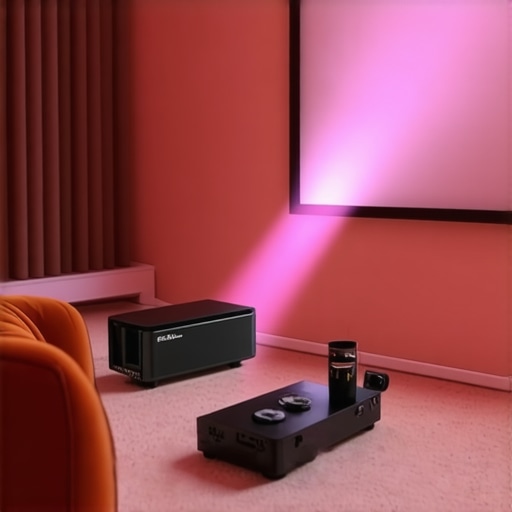
Ever had that frustrating moment where you finally get the perfect movie night setup only to realize your bulky projector just doesn’t fit your small living space? I remember the sting of trying to squeeze a traditional projector into a cozy apartment corner, only to end up with a dim, blurry image that didn’t do justice to my favorite films. That lightbulb moment hit me hard — I needed a better solution, one that didn’t compromise quality for space.
Why Portable and Laser Projectors are Game Changers for Small Spaces
In my quest to create a mini cinema in my apartment, I discovered that portable and laser projectors aren’t just trendy gadgets — they’re practical tools that can truly revolutionize how you enjoy movies at home. Unlike traditional bulky projectors, these sleek devices are designed to fit into tight spots, offer stunning picture quality, and transform even a tiny wall into a cinematic masterpiece. With advances in laser technology, brightness and color accuracy are better than ever, making your small space feel just like a commercial theater. But here’s the thing: choosing the right projector can be confusing with so many options out there. That’s exactly what I want to help you with today.
Have You Faced This Problem Yourself?
If you’ve ever struggled with the size, brightness, or setup process of projectors meant for big rooms, you’re not alone. I made the mistake early on of assuming bigger was better, only to end up with a device that couldn’t fit or perform well in my apartment. I learned the hard way that not all projectors are created equal, especially when limited by space. Trust me, it’s a mistake I don’t want you to make. By understanding what makes a projector suitable for small spaces, you can avoid wasting money and disappointment. Curious about how to pick the perfect device? Well, I’ve got you covered.
For starters, it’s crucial to understand the differences between traditional projectors and the newer laser models. Laser projectors, in particular, offer brighter images and longer-lasting light sources, making them ideal for small, multi-use environments. To see how they compare, check out this detailed comparison of [laser projectors vs. traditional models](https://projectors.homecinemaessentials.com/laser-projectors-vs-traditional-which-tops-in-brightness). Additionally, selecting a projector with ultra-short throw capabilities can eliminate the need for complex setup or long-distance placement, which is perfect for confined spaces.
But before diving into the specific features, let’s explore why small-space cinema is more achievable than ever before and how you can get started. In the sections ahead, I’ll walk you through key factors to consider, from brightness and resolution to portability and ease of use. Whether you’re a casual movie lover or a budding home theater enthusiast, there’s a perfect projector waiting for you. So, ready to turn that tiny corner of your home into a cinematic sanctuary? Let’s get started.
Choose the Right Projector for Your Space
Start by selecting a projector that fits your room size and layout. Ultra-short throw (UST) models are ideal because they can project a large image from just inches away, eliminating the need for a big setup area. If you’re unsure about the differences between laser and traditional projectors, check out this comparison of laser vs. traditional projectors to make an informed decision. I once tried to use a standard projector in my tiny apartment, only to find it impossible to get a clear picture without a complicated setup — switching to an ultra-short throw laser model transformed my space into a cinema in minutes.
Measure and Plan Your Wall Space
Measure the distance from your projector to the wall or screen to ensure it can produce the desired image size. For small rooms, aim for a projector with a short or ultra-short throw capability. Use a tape measure and sketch a quick layout of your room to visualize where the projector will sit and how large the image will be. I once underestimated the space needed, and my first setup resulted in a blurry, small image; after recalculating and choosing a compact UST laser projector, my picture was crisp and immersive.
Position for Brightness and Clarity
Brightness is key in small spaces, especially if ambient light is unavoidable. Look for projectors with at least 2000 lumens, but 3000+ lumens are better for daytime viewing. Laser projectors tend to offer higher brightness levels and color accuracy, making them perfect for small rooms with some light pollution. When I upgraded to a 4K laser UST projector with high brightness, I noticed a dramatic improvement in picture quality, even during daylight hours.
Connect Your Devices Seamlessly
Ensure your projector has compatible ports for your media sources—HDMI, USB, or wireless options. Some models support screen mirroring from smartphones or tablets, simplifying the setup. I recommend checking out the portable projectors guide for the best options that fit small spaces and are easy to move around. I once struggled with complicated setups, but switching to a model with built-in wireless streaming made my movie nights hassle-free.
Calibrate for the Best Image
Adjust the focus, keystone correction, and zoom settings to optimize your image quality. Most projectors have on-screen menus to help fine-tune the picture. For precise calibration, consider using a test pattern or calibration tool. I spent some time tweaking my projector’s settings, which paid off with a sharp, perfectly aligned image that made my small living room feel like a theater.
Secure Your Setup and Enjoy
Mount or place your projector securely to prevent shifts during viewing. Use a stable surface or ceiling mount if possible. Once everything is in place, sit back and enjoy your new cinema experience. Remember, the key is simplicity and flexibility—your small space shouldn’t feel cluttered or complicated. For more detailed tips on choosing the perfect portable or laser projector, visit this comprehensive guide. Making these adjustments transformed my cramped corner into a vibrant, cinematic haven, and it can do the same for you.
Many home theater enthusiasts believe that choosing a projector for a small space is straightforward: get the brightest, most compact model available. However, this oversimplification often leads to costly mistakes. For instance, some assume that a high lumen rating alone guarantees a vivid image, but in reality, factors like contrast ratio and color accuracy are equally crucial — especially in confined environments where ambient light and wall quality vary. Relying solely on brightness can result in a dull or washed-out picture, defeating the purpose of a home cinema setup. To avoid this trap, it’s essential to consider comprehensive specifications and how they interact within your specific space. For a detailed comparison, check out this laser versus traditional projectors guide.
Another misconception is that ultra-short throw (UST) projectors are always the best choice for small rooms. While UST models are great for limited space, they can sometimes introduce distortion or require complex calibration if the wall surface isn’t ideal. Moreover, many assume that all laser projectors are equally affordable and easy to set up, but premium laser models, especially those with 4K resolution, can be quite expensive. Choosing the right projector involves balancing budget, space, and desired quality. For expert advice on selecting an optimal model, visit our ultra-short throw projector guide.
What Advanced Buyers Often Overlook When Picking a Small Space Projector
One nuanced detail many overlook is the importance of the projector’s lens quality and its impact on image uniformity. A subpar lens can cause uneven brightness or color shifts, especially when projecting at high contrast levels typical in movies. This subtle flaw might not be immediately noticeable but can become a significant distraction over time. Additionally, ambient light rejection (ALR) screens and wall treatments can dramatically improve picture quality in small, bright environments — yet many ignore this aspect, leading to disappointment regardless of the projector’s specs. Experts suggest that investing in a high-quality lens and proper wall surface optimization can elevate your home theater experience far beyond basic setup. For more insights, explore the best 4K laser projectors for small spaces article to see how premium features translate into real-world performance.
Have you ever fallen into this trap? Let me know in the comments. Remember, a successful small space projector setup isn’t just about size or brightness — it’s about understanding and optimizing nuanced factors that impact your viewing experience.
Once you’ve set up your ideal small space projector, keeping it in top condition requires a mix of proper maintenance, the right tools, and mindful usage. Over time, dust accumulation, overheating, and wear on components can diminish image quality and device lifespan. To ensure your investment continues giving stellar performance, I recommend a few specific strategies and tools that I personally rely on.
How do I maintain my projector over time?
Regular cleaning is essential. I use a compressed air canister to gently blow out dust from vents and lens surfaces every few months. This prevents overheating and keeps the image sharp. For the lens itself, a microfiber cloth and a specialized lens cleaner are invaluable. I prefer the ones designed explicitly for optical surfaces, as they don’t scratch or leave residue. Additionally, monitoring the projector’s temperature with a simple infrared thermometer helps me avoid overheating during long movie marathons, especially in small spaces where airflow can be restricted.
Firmware updates are another often overlooked aspect. Manufacturers frequently release updates that improve performance, fix bugs, or enhance compatibility. I subscribe to the manufacturer’s newsletter or check their support site periodically. This small step can significantly extend the effective lifespan of your device and keep it running smoothly.
Using a surge protector is a must-have for protecting against voltage spikes that can damage sensitive electronic components. I’ve personally experienced how a power surge can wipe out a projector’s internal circuitry, leading to costly repairs. A quality surge protector with enough joules capacity and a reliable clamping voltage is a small investment that pays off long-term.
What tools do I recommend for maintenance and troubleshooting?
Beyond basic cleaning supplies, I recommend investing in a calibration tool like the SpyderX or CalMAN for color accuracy. These tools help me recalibrate the projector periodically, especially when I notice slight color shifts or contrast issues. For small adjustments, a good set of precision screwdrivers allows me to open the device safely if needed for deeper cleaning or upgrades.
For software, I use the projector’s proprietary calibration app, which often comes with the device or is downloadable from the manufacturer. These apps enable fine-tuning of keystone, focus, and image settings, ensuring consistent picture quality over time. Additionally, I keep a log of maintenance dates and calibration settings, which helps me track the projector’s performance and catch issues early.
Looking ahead, the trend in projector tech points toward more integrated diagnostics and AI-assisted calibration, which will simplify maintenance and optimize image quality automatically. As these features become mainstream, maintaining your projector will get even easier, allowing you to enjoy uninterrupted movie nights without fuss.
Try implementing a regular cleaning schedule combined with calibration checks using these tools—it’s a game-changer for long-term performance. If you want personalized advice or need help with specific models, don’t hesitate to reach out.
The Hardest Lesson I Learned About Projectors in Small Spaces
One of the most surprising realizations I had was that higher brightness isn’t always the secret to great picture quality in tight quarters. I once bought a 3000-lumen projector thinking it would solve all my problems, only to find that ambient light and wall surface mattered just as much. It taught me that nuanced factors like contrast ratio and lens quality can make or break your setup, especially when space is limited.
3 Myths About Compact Home Projectors That Held Me Back
For a long time, I believed that ultra-short throw projectors were the ultimate solution for small rooms, but I discovered they can introduce distortion if the wall surface isn’t ideal. Also, I used to think laser projectors were too expensive for home use, but the latest models now offer incredible value and performance. Finally, I assumed bigger screens always meant better experience—until I realized that proper calibration and wall treatment are what truly create cinematic magic.
What Experts Won’t Tell You About Setting Up Your Mini Cinema
Many overlook the importance of wall surface quality. Investing in an ambient light rejecting (ALR) screen or even simple wall painting can drastically improve image clarity. Additionally, lens quality and uniformity are often underestimated; a high-quality lens ensures even brightness and color, making your small space feel immersive. These subtle insights can elevate your home theater far beyond basic setup, and I wish I had known them earlier.
My Essential Toolkit for Small Space Projectors
- CalMAN Calibration Software: I trust this for fine-tuning color and contrast, ensuring vibrant images every time.
- Microfiber Lens Cloths: Essential for cleaning without scratches, keeping your lens pristine.
- Infrared Thermometer: Helps me prevent overheating, especially in confined spaces with limited airflow.
- Surge Protector with High Joules: Protects my investment from power surges, saving costly repairs.
Your Turn to Try
Achieving cinematic quality in a small space is about more than just buying a compact projector; it’s about understanding the nuanced factors that influence picture quality. By applying these insights, you can turn even the tightest corner into a cozy, immersive home theater. Remember, the right tools and a bit of knowledge make all the difference. Ready to create your own mini cinema? Dive deeper into our guides and start experimenting today!
What’s the biggest challenge you’ve faced when setting up a projector in a small space? Share your story below and let’s troubleshoot together!
http://Emily%20Johnson
I completely agree with the emphasis on choosing the right projector for small spaces. When I first tried setting up a projector in my apartment, I dismissed the importance of ultra-short throw (UST) lenses and ended up with a distorted, pixelated image that was totally unwatchable. After switching to a UST laser projector, my experience improved dramatically. It’s been a game-changer, especially since I can place it just inches from my wall. What I’ve learned is that not just brightness but also lens quality and calibration play critical roles in image clarity. Do you find that wall surface quality significantly affects picture quality in tight spaces? I’ve noticed that even simple wall painting or using ALR screens made a big difference for me.
http://Andrew%20Cooper
This post hits so many practical points for small space home theaters. I completely agree that portable and laser projectors are game-changers, especially since I recently upgraded to a compact 4K laser model for my apartment. One thing I’ve noticed is that choosing a projector with good color accuracy and contrast is just as vital as brightness. Relying solely on lumens can be misleading, especially if you’re dealing with ambient light or wall imperfections. I’ve also experimented with wall treatments, and it truly enhances image clarity in small rooms, much like the post mentions. My biggest challenge has been proper calibration—initially, the picture looked good but not great; after fine-tuning with calibration tools, it feels like a whole new experience. Have any of you used calibration software regularly? I’d be interested to hear how it improved your viewing quality or streamlined your setup process.