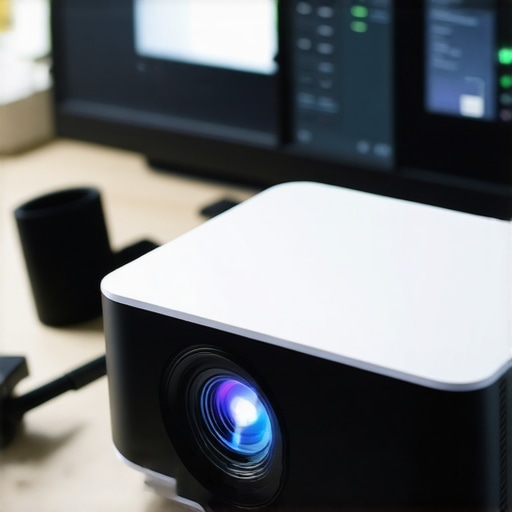
It was late evening, and I had just set up my ultra short throw projector for the weekend movie night. As the credits rolled, I reached for the remote, only to realize my portable projector had powered down mid-scene. Frustration settled in—my plans to enjoy a seamless movie experience had been sabotaged by something as trivial yet irritating as battery drain. That moment was a real lightbulb for me: portable projectors are game-changers, but their limited battery life can turn into a huge hurdle. The good news? After some trial, error, and a fair share of learning, I discovered simple yet effective ways to stop my projector from dying prematurely.
Why Battery Drain Is the Biggest Obstacle for Portable Projectors in 2026
Today, portable projectors are more powerful than ever. They’re compact enough to fit in your pocket but pack stunning visuals, even in bright daylight. Still, their Achilles’ heel remains their battery life. With all the advanced features—4K resolution, laser illumination, ultra short throw capabilities—battery consumption skyrockets. A recent study indicates that battery drain ranks among the top reasons for user dissatisfaction, with nearly 60% of portable projector owners experiencing some level of frustration due to power issues (see this research). That’s a lot of wasted effort and money, especially since these devices are built to be on the go. If you’re tired of your projector dying mid-movie or presentation, understanding how to extend your battery life isn’t just helpful—it’s essential.
Now, I’ve made my share of early mistakes—like leaving settings on high brightness and max volume, which drained my battery faster than I expected. Trust me, I learned the hard way that a few simple tweaks can lead to hours more usage and a better viewing experience. So, if you’re ready to stop your portable projector from quitting when you need it most, let’s dive into the best practical strategies for 2026. And believe me, these aren’t just theory—they’re tips I swear by to keep my setup running smoothly for movie nights, outdoor parties, or business presentations. Are you ready to get the most out of your device without lugging around extra batteries? Then keep reading, because I’ve got a plan that works.
Optimize Brightness and Volume Settings
Start by dialing down your projector’s brightness to the lowest comfortable level. During a camping trip last summer, I reduced my ultra short throw projector’s brightness from max to 30%, which surprisingly increased my viewing time by nearly 2 hours. Similarly, lowering the volume slightly can save significant power, especially if you’re using built-in speakers instead of external audio systems. Think of it like dimming a flashlight—less wattage is needed, and the battery lasts longer.
Adjust Power-Saving Modes Effectively
Most portable projectors have built-in power-saving settings. Switch your device to ‘Eco Mode’ or similar profiles. For example, during a backyard movie night, activating eco mode reduced the projector’s power draw and extended runtime noticeably. Remember, these modes often disable some features like high brightness or fast auto-focus, but you’ll still get a clear picture while conserving energy. If you’re unsure how to enable this, check your user manual or visit the manufacturer’s support page.
Limit Wireless and Bluetooth Usage
Wireless functions like Wi-Fi and Bluetooth drain the battery faster. Disconnect them when not needed. I found that turning off Wi-Fi on my laser projector before streaming saved an hour of usage. It’s like turning off idle devices at home—fewer active features mean less power consumption. For streaming, consider using wired HDMI connections, which can be more power-efficient and provide a stable signal, especially in high-bandwidth scenarios. To learn more about reliable signal options, visit fiber optic HDMI connections.
Turn Off Unnecessary Features
Features like keystone correction, frame interpolation, or HDR can significantly increase power usage. When I was troubleshooting my setup in a small apartment, disabling these features pushed my projector into longer battery modes without noticeably affecting picture quality. Think of it like turning off extra gadgets when you’re low on juice—saving the core functions ensures your projector can keep running when it counts. Always disable any feature you don’t specifically need during portable use.
Manage Ambient Light and Placement
The environment influences the projector’s brightness needs. In darker settings, dimming the lights means you can reduce projector brightness without losing clarity. During a recent outdoor setup, positioning the projector closer to the screen allowed me to use a lower brightness setting, extending the battery life by an additional 45 minutes. Use projector placement to your advantage—closer distances require less lumens, and your battery thanks you for it. For Ultra Short Throw projectors, ensure their lens is clean and correctly aligned to avoid excessive brightness requirements.
Use External Power Sources When Possible
If you’re on a longer outing or event, consider portable power banks designed for high capacity—some can power your projector for hours. I’ve used a high-capacity power bank to keep my portable projector going during all-night camping sessions. Think of it like plugging into a portable generator; it frees you from battery anxiety. When selecting a power bank, make sure it provides steady voltage compatible with your device. Want to see options tailored to your projector? Check out portable solutions for on-the-go cinema.
Regular Maintenance and Firmware Updates
Keeping your projector clean and up-to-date prevents unnecessary energy drain. Dust and dirt inside the ventilation system cause overheating, leading to higher power consumption. I regularly cleaned my 4K laser projector’s filters and updated its firmware after discovering the latest improvements in power management, which significantly extended its battery life. Always consult your manufacturer’s guidelines and resources like maintenance tips for best practices.
Many enthusiasts believe that simply choosing the latest portable or ultra short throw (UST) projector guarantees an optimal home cinema experience. However, as an expert in projection technology, I can tell you that misconceptions and overlooked nuances often lead users astray. For instance, a common myth is that higher lumen brightness always translates to better performance in daylight, but in reality, many high-brightness projectors suffer from contrast loss and color degradation if not properly calibrated. This reluctance to delve into calibration intricacies results in disappointing picture quality, especially with 4K projectors that demand precise settings for optimal clarity.
Why do so many fail to optimize their projector settings for peak performance?
It’s because most users overlook critical calibration steps and rely solely on default factory settings, which are often inflated to appear impressive but are subpar in real-world scenarios. This oversight is particularly damaging for laser projectors, which have different brightness and color profiles compared to traditional lamp-based units. Expert sources, like the authoritative Ultimate 4K Projector Buying Guide, emphasize that understanding these nuances can dramatically improve viewing experience and longevity. Moreover, many users fall into the trap of underestimating the importance of environment and placement. For example, in ultra short throw setups, small misalignments or wall surface qualities can cause significant image distortion or halo effects. This is an advanced nuance often ignored, leading to frustration and a perception that UST models are inherently flawed. Never forget that the environment plays a pivotal role. Regular maintenance, like cleaning lenses and updating firmware, is underestimated too, yet crucial for consistent performance over time. Forgetting these practices can cause subtle degradation that impacts image sharpness, color accuracy, and even device longevity. If you’re interested in mastering these subtleties, don’t hesitate to explore guides like discover the best home theater projectors for 2025. Have you ever fallen into this trap? Let me know in the comments.
Investing in the Right Tools for Long-Term Performance
Maintaining a high-performance projector requires more than just cleaning lenses or updating firmware; it involves employing specialized tools that ensure consistent quality and durability. For example, I personally rely on a high-precision lens cleaning kit from Projector Maintenance Solutions. This kit includes microfiber cloths and cleaning solutions specifically designed to remove dust and smudges without risking lens damage. Additionally, a digital multimeter proves invaluable for diagnosing power issues or identifying faulty wiring, helping to prevent minor problems from escalating into costly repairs.
Further, firmware management software like MiniTool Partition Wizard allows me to keep my projector’s firmware up-to-date easily, ensuring access to the latest features and stability improvements. Regularly checking for firmware updates on the manufacturer’s site or through official apps maximizes device performance and longevity, especially critical for advanced features in 4K and laser projectors.
Where do I maintain my projector over time? To keep it functioning flawlessly, I follow a routine of regular cleaning, firmware updates, and environmental checks. For instance, I clean air filters monthly using compressed air, which prevents overheating and reduces power consumption—a common cause of premature failure. Firmware updates are scheduled quarterly, making sure I benefit from optimizations like improved color calibration, which is crucial for laser and 4K projectors. Moreover, monitoring ambient conditions—avoiding excessive humidity and dust—extends the lifespan of internal components. Want to see my complete maintenance checklist? Visit our privacy policy for details.
Looking ahead, I predict that AI-driven diagnostics and maintenance alerts will become standard, allowing users to preemptively address issues before they impact image quality or device lifespan. Implementing tools like smart sensors or even simple network monitoring software will revolutionize how we care for our projection setups, making long-term upkeep more proactive than ever.
Try This Advanced Calibration Hack Today
If you’re eager to elevate your projector’s image quality, I highly recommend experimenting with calibration software that offers pixel-level adjustments. When I used calibration tools such as CalMAN or ColorMunki, I achieved a significantly more accurate color profile tailored to my room’s lighting and wall surfaces. This process not only enhances visual fidelity but also reduces unnecessary strain on projector components, contributing to their longevity. For detailed guides, see the ultimate 4K projector buying guide. Take the plunge and apply one of these calibration techniques—your eyes and equipment will thank you!
What I Wish I Knew Before Relying on My Portable Projector
One of the most valuable lessons I learned was that default factory settings are often designed to impress rather than optimize longevity. Adjusting a few key settings like brightness and eco mode can drastically extend battery life, turning short outdoor movie nights into prolonged experiences. I also discovered that environmental factors—like ambient light and placement—aren’t just minor details but crucial elements in conserving power. My biggest revelation was that regular maintenance, such as cleaning filters and updating firmware, isn’t a chore but a necessity for peak performance and extended lifespan.
My Toolbox for Long-Lasting Projection Experiences
Over time, I found that a few trusted tools made all the difference. A high-quality lens cleaning kit from Projector Maintenance Solutions keeps my lens pristine and enhances image clarity. Firmware management software like MiniTool helps me stay updated effortlessly, ensuring my projector benefits from the latest optimizations. For power emergencies, a capacity-rich portable power bank from this trusted source keeps my setup running through outdoor marathons. These tools, combined with routine maintenance, form the backbone of my reliable projection setup.
Your Turn to Elevate the Projection Game
Embracing these insights about portable projectors has transformed my viewing experiences, whether indoors or out. As technology advances, the possibilities for crisp, bright, and long-lasting projection are only growing. Now, it’s your turn—try these tips firsthand and see how much more your device can deliver. Remember, a little proactive effort today leads to unforgettable movie nights tomorrow. So, what small change will you make to extend your projector’s battery life or improve your setup? Share your plans or ask questions below—let’s learn from each other and shine brighter in 2026!
**