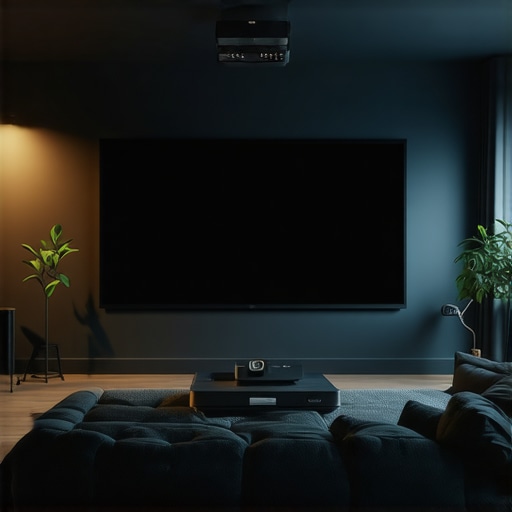
It was late at night, and I finally decided to watch my favorite action film on a newly acquired portable projector. Excited, I set it up in my small living room, only to be greeted by a dim, blurry image that barely filled the wall. Frustration crept in. I had spent hours researching, but nothing prepared me for how tricky it could be to find a projector that truly fits a home theater setup without turning my space into a maze of wires and compromises.
Why Finding the Right Projector Is More Important Than Ever
Let’s face it—2024 has thrown us into a new era of home entertainment. With streaming services booming and 4K content becoming the norm, settling for a lesser-quality projector simply isn’t an option anymore. Yet, the marketplace is flooded with options—from ultra short throw (UST) to portable, laser to traditional bulb projectors—and that can be downright overwhelming.
My goal today is to guide you through the maze, so you don’t repeat my early mistake of choosing a projector based on hype or price alone. Instead, I want to help you make an informed decision that will transform your space into the cinematic haven you’ve dreamed of. Whether you’re eyeing a sleek 4K home theater projector, a compact portable option, or a space-saving ultra short throw, this comprehensive guide will point you in the right direction.
Have You Faced the Frustration of Setting Up a Projector That Falls Short?
If you’re tired of adjustable screens, poor image quality, or frustrating installation processes, you’re not alone. I learned that early on, I made the mistake of ignoring key factors like throw distance and brightness, which ultimately led to dismal viewing experiences. Don’t let that be you. Keep reading, and I’ll show you how to avoid these pitfalls and choose the perfect projector tailored to your space and needs.
For more tips on making your setup seamless, explore this ultimate 4K projector buying guide. Ready to find your ideal projector? Let’s dive into the essentials that will turn your living room into a personal cinema.
Assess Your Space Before Choosing a Projector
Start by measuring your room dimensions, noting wall color and ambient light sources. Unlike a static display, projectors need room conditions to be optimized. I once hurriedly bought a portable projector for a dim corner, only to realize later that reflections bounced off light-colored walls, washing out the image. To avoid this, mark your space and plan for blackout curtains or dimmable lighting.
Determine the Best Throw Distance and Screen Size
Calculate how far your projector can be placed from the wall to get your desired image size. For example, ultra short throw projectors sit just inches from the wall, ideal for small spaces, while traditional models may require several feet. When I set up my first home theater projector, I used a tape measure to position it perfectly, preventing frustration from an overly large or tiny screen. Use online calculators and your room dimensions to map the optimal placement, balancing comfort with immersion.
Specify Brightness and Resolution Needs
Match your projector’s lumen output with your ambient light and preferred clarity. Brightness levels of 2000-3000 lumens suffice for dark rooms. If I had chosen a lower-lumen model, my images would have been a shadowy blur. For vivid 4K displays, ensure your projector supports the resolution; a true 4K projector delivers sharpness that online reviews often hype. Read detailed comparisons, like this guide to 4K projectors, to identify options with genuine image quality.
Compare Laser and Traditional Lamp Technologies
Laser projectors offer brighter images and longer lifespan, making them ideal for vivid, consistent pictures. I experimented with a laser model in my small lounge, marveling at how it maintained brightness without bulb replacements. Traditional lamps are cheaper upfront but degrade over time. Visit this comparison page to understand which tech aligns with your budget and maintenance expectations.
Choose the Right Format for Content and Connectivity
Ensure your projector supports the devices and streaming options you use daily. HDMI ports, Wi-Fi, and Bluetooth facilitate seamless connection to your media sources. I once faced compatibility issues because my projector lacked the needed input. Having tested multiple options, I recommend verifying ports and wireless features during selection. Review this latest models for compatibility features.
Plan for Easy Installation and Maintenance
Prioritize projectors with adjustable mounts and straightforward setup. During my first trial, I haphazardly hung my projector, resulting in a crooked image. Using a leveling tool and following setup guides, I achieved a crisp, centered image. Regular cleaning of lens and filters ensures longevity. For complex configurations, consult professional help through contact us for tailored advice.
Test and Calibrate for Optimal Viewing
Once installed, calibrate colors and focus using built-in tools or calibration discs. Play a familiar scene and adjust settings until colors pop and edges are sharp. I often tweak my projector after initial setup, which surprisingly improves the viewing experience. Keep notes of your preferred settings for quick adjustments in the future, ensuring every movie night feels perfect.Many enthusiasts believe that selecting a portable, ultra short throw, or 4K home theater projector is a straightforward process focused solely on specs like resolution and brightness. However, true mastery lies in understanding nuanced pitfalls that most overlook. For instance, a common myth is that laser projectors automatically offer better image quality and longevity than traditional lamp models. While lasers do boast impressive brightness and lifespan, they often come with a significantly higher price point, and their superiority isn’t absolute—especially in small spaces where optimal calibration is crucial. Overlooking this can lead to overspending on features that deliver diminishing returns.
Are High-End Features Always Worth the Extra Cost?
Many buyers assume that premium models guarantee perfect performance. But in my experience, aspects like color accuracy and contrast are more critical than raw resolution or flashy features. According to a study by the Society for Imaging Science and Technology, human perception of image quality depends more on contrast and color fidelity than on pixel count alone. This means that in many cases, a well-calibrated optical system with accurate color reproduction outperforms a more expensive, higher-resolution projector that isn’t properly adjusted. Additionally, a trap I often see is folks choosing ultra short throw projectors without considering room ambient light and wall color. These factors can dramatically diminish perceived image quality, regardless of technical specs. To truly maximize your setup, pay attention to calibration and room conditions rather than solely relying on specifications listed in marketing materials. For advanced users, understanding the importance of lens shift and keystone correction can prevent frustrations down the line. Properly aligned projectors ensure a perfect, undistorted image, especially in irregularly shaped rooms. Neglecting these can cause image distortions or black borders, compromising the cinematic experience. Remember, the key to a satisfying home theater isn’t just about having the latest tech but about understanding how to tailor it to your unique environment. For in-depth guidance on selecting a high-performance device, check out our comprehensive buying guide. Have you ever fallen into this trap? Let me know in the comments. Your insights could help others avoid these common pitfalls and elevate their home cinema experience.
Tools I Recommend for Reliable Projector Maintenance
Maintaining a high-quality home theater setup isn’t just about choosing the right projector; it’s equally about keeping it in top condition over time. Personally, I swear by a combination of precise calibration tools and regular cleaning routines to ensure consistent performance. One essential device I use is the SpyderX Pro color calibration tool. Unlike generic calibration settings, this device allows me to fine-tune color accuracy and contrast, which is critical for preserving the image quality of my 4K projector. Accurate calibration can prolong the lifespan of your projector by reducing unnecessary strain on its components.
For cleaning, I recommend a microfiber lens cleaning cloth and a gentle compressed air canister. Dust and smudges can diminish brightness and cause overheating. I make it a habit to inspect and clean my projector’s lens every few months—this simple step prevents degradation of image sharpness and color fidelity. Be cautious: avoid harsh chemicals or abrasive cloths that can damage delicate surfaces. Additionally, I use a dedicated lens cleaning solution designed specifically for projector optics, which helps maintain clarity without risking damage.
Keeping firmware up to date is crucial. Manufacturers often release updates that fix bugs, improve image processing, or add features. I regularly check my projector’s settings menu or the manufacturer’s website for updates. For example, laser projectors especially benefit from firmware enhancements that optimize brightness and color stability—visit this resource to understand how updates can extend your device’s capabilities.
How do I maintain my projector over time?
Developing a routine is the best way to ensure your projector remains reliable. Schedule biannual cleans, calibrate colors with a device like the SpyderX, and stay vigilant about firmware updates. Also, manage the environment; keep your space cool, ventilated, and free of dust. As projector technology evolves—especially with 4K and laser models—the importance of maintenance only grows. In the near future, integrated diagnostic tools and AI-driven calibration might simplify this process further, making maintenance almost effortless. For now, embracing a disciplined routine of cleaning and calibration makes all the difference. Try incorporating a calibration device into your setup—it’s a game-changer for sustained performance. For comprehensive guidance, I recommend reviewing our ultimate buying guide as well as regular check-ups on firmware updates to keep your home cinema experience flawless.
The Hard Lessons That Changed My Approach to Projector Choices
One of the biggest realizations I had was that features like laser illumination or 4K resolution aren’t magic bullets. I once invested heavily in a high-end laser projector, expecting flawless performance, only to be disappointed because I overlooked room lighting and calibration. It taught me that technical specs are just part of the story—environmental factors and proper setup play a crucial role. Additionally, I learned that rushing into a purchase based solely on reviews or hype can lead to regrets; honestly assessing my actual needs and room conditions saved me money and frustration. Lastly, I discovered that calibration tools, such as a colorimeter, aren’t just for experts—they’re invaluable for achieving that cinematic quality you crave, even in small spaces. Remember, the real magic happens when you align your expectations with your environment and how you use your projector.
Tools and Resources That Keep My Home Cinema on Point
For consistent performance, I rely on trusted calibration devices like the SpyderX Pro. It’s surprisingly user-friendly and has revolutionized my viewing experience by ensuring perfect color accuracy. When it comes to cleaning, I swear by microfiber cloths and a gentle lens cleaning solution, which prolongs the life of my projector’s optics. Regular firmware updates are non-negotiable—checking my projector’s settings or manufacturer’s website keeps things running smoothly and benefits from security patches and feature enhancements. For planning my setup, I often visit this comprehensive guide on portable, ultra short throw, and 4K projectors, which helps me make informed decisions tailored to my space. These tools are more than accessories—they’re essentials for a home theater that impresses.
Your Next Step: Embrace the Adventure of Home Theater Projects
Transforming your space into a cinematic haven isn’t just about purchasing the latest projector; it’s about understanding your environment, your viewing habits, and personal preferences. I encourage you to step out of the hype bubble and focus on tools and insights that elevate your experience. Whether you’re considering a portable laser projector for movie nights on the go, a dedicated 4K ultra short throw setup in your living room, or something in between, remember that patience and calibration go hand in hand with technology. Take action today—your perfect home theater awaits, and the journey is as rewarding as the destination. Ready to start? Share your thoughts or ask questions below—let’s build your cinematic retreat together.
http://Emily%20Carter
Reading through this post really resonated with my own home theater journey. I remember the excitement of setting up a new projector only to face the same disappointment with blurry images and poor contrast. Since then, I learned the importance of proper room calibration and choosing the right screen size for my space. One thing I’ve found helpful is investing in a good calibration tool like the SpyderX Pro, especially for color accuracy, which isn’t always perfect out of the box. Also, ensuring your projector’s brightness matches your ambient lighting can make a huge difference. I’ve experimented with different wall colors and lighting setups to get the best picture quality. For others trying to improve their setup, I’d suggest doing thorough measurements of your space and perhaps considering blackout curtains—those little adjustments can elevate your viewing experience significantly. Have others here tried adjusting their room environment or wall color to enhance projector performance? Would love to hear what works for different spaces!
http://Jordan%20Mitchell
This post really highlights some often overlooked aspects of setting up a home theater, especially for those of us working with limited space. I completely agree that understanding your room’s specific conditions—like wall color, ambient light, and available throw distance—is crucial before making a purchase. Personally, after struggling with image dimness and color inaccuracies initially, I invested in an affordable calibration tool and swapped out my light-colored walls for a darker, matte finish, which drastically improved image quality. It’s fascinating how small adjustments can make such a difference.
One challenge I faced was managing ambient light in my room; blackout curtains helped but didn’t solve everything. Has anyone experimented with strategic lighting or wall paint colors to further optimize their setup? Also, I’m curious: when choosing a projector, how many consider lens shift and keystone correction as primary factors? I’ve found that these features save a lot of headache during calibration. Looking forward to hearing everyone’s experiences—sharing solutions like these can really help others avoid common pitfalls.
http://Sophia%20Martinez
This post really hits home for me, especially when it comes to calibrating and optimizing my home theater setup. I initially jumped into buying a projector without considering room lighting or wall color, which made my images look washed out or too dim. After switching to darker matte walls and investing in a good calibration tool like the SpyderX Pro, the picture totally transformed. It’s amazing how much environment and calibration can influence the final experience. I also found that using blackout curtains, especially in bright rooms, really makes a difference for picture quality.
One thing I’ve been exploring is the impact of different wall paints, like matte vs. semi-gloss, and how they affect light reflection. Has anyone experimented with wall finishes or lighting setups to further enhance their projector image? I’d love to hear different strategies for small spaces where controlling ambient light is challenging. Also, I’m curious about others’ experiences with lens shift and keystone correction—do you find these features essential for your room setup? Sharing these tips can save others from the frustrations I faced early on.
http://Johnathan%20Lee
Reading this post really strikes a chord with my experience in trying to optimize small living room setups. I’ve learned that environmental factors, like wall paint and ambient lighting, are just as important as choosing a high-spec projector. I initially overlooked the impact of wall surface and color, which resulted in dull output even with 4K models. After repainting with matte, neutral tones and adding blackout curtains, the picture clarity drastically improved. Regular calibration using tools like the SpyderX Pro has also been a game changer for maintaining color accuracy over time.
For those struggling with space constraints, have you considered investing in an ultra short throw projector? They can offer large images from very close to the wall, which works well in small rooms. Also, don’t underestimate the importance of adjustable lens shift and keystone correction — these features provide critical flexibility to perfect your setup. What’s been the biggest challenge others have faced when tailoring their environment for a projector? Would love to exchange more tips to help fellow enthusiasts!