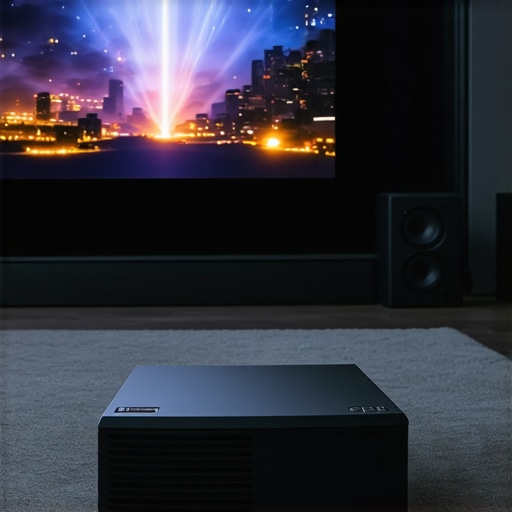
One evening, I set up what I thought was a decent home theater experience, only to be met with a fuzzy image and a glaring glare from my old projector that barely fit in my living room. It was a frustrating mess, and I wondered if I had wasted money on yet another device that promised the stars but delivered dim shadows. That lightbulb moment made me realize— I needed a game-changer.
Your Portable Home Theater Revolution Begins Here
Today, I want to walk you through how I finally discovered the secret to transforming any space into a cinematic oasis using the latest in 4K portable and ultra-short-throw (UST) projectors. These compact devices are truly revolutionizing home entertainment, allowing us to enjoy big-screen quality without the need for dedicated, costly rooms or complex setups.
Why You Need to Rethink Your Home Theater Setup
Whether you’re binge-watching the latest series, hosting movie nights, or gaming, the quality of your projector can make or break your experience. The surge in 4K resolution and the convenience of portable designs mean you can enjoy stunning visuals anywhere— from your cozy living room to your outdoor patio. But with so many options flooding the market, knowing what to choose can feel overwhelming.
I remember early on making the mistake of prioritizing resolution alone, thinking more pixels meant better quality. Turns out, contrast, brightness, and throw distance matter just as much, if not more. An article by Home Cinema Essentials highlights that choosing the right projector isn’t just about specs but about matching features to your space and viewing habits.
So, are you tired of settling for blurry images or having to rearrange your furniture just to fit a traditional projector? If you’ve faced these frustrations, you’re not alone— and the good news is, there’s a way to fix this. The upcoming guide will equip you with all the practical knowledge needed to pick the ideal portable or UST projector for your unique space, budget, and cinematic dreams.
Let’s dive into the key considerations and how to make the most of your investment for a hassle-free, breathtaking home theater experience.
Assess Your Space and Lighting Conditions
Begin by measuring your available space from where you’ll mount or place the projector to the projection surface. This determines the throw distance—the space needed for the projector to display a clear, bright image. For small rooms or tight spaces, ultra-short-throw (UST) projectors are ideal because they sit close to the wall or screen, eliminating shadow issues. Next, evaluate your room’s lighting—amply lit rooms demand brighter projectors, ideally with at least 2,500 lumens for a clear image during the day. If ambient light is unavoidable, consider laser projectors which excel in high-brightness scenarios, as explained in this comparison. Setting these foundational parameters ensures you narrow down options that truly fit your environment and viewing preferences.
Prioritize Image Quality and Resolution
Once your space parameters are clear, focus on resolution. For family movie nights or immersive gaming, a native 4K resolution provides crisp, detailed images. But resolution alone isn’t enough—contrast ratio and color accuracy significantly impact picture depth. For example, a projector with high contrast will better distinguish between dark shadows and bright highlights, making the image pop. During my initial test run, I borrowed a 4K projector with excellent resolution but poor contrast. The result was lackluster, making scenes feel flat. I then switched to a model with combined high resolution and contrast, which transformed the viewing experience. Read more about how to evaluate these features in the 4K projector buying guide.
Understand Laser vs. Lamp Projection
Choosing between laser and traditional lamp projectors impacts brightness, lifespan, and maintenance. Laser projectors offer higher brightness levels, essential for well-lit rooms, and have a longer lifespan with less upkeep. Traditional lamp projectors may be cheaper upfront but require regular bulb replacements, which can add up over time. If you want consistent brightness and lower upkeep, consider laser options discussed in this guide.
Match Your Projector Features to Your Usage
Different use cases demand specific features. For casual viewing, a portable projector with 4K resolution might suffice, especially if you occasionally move it between rooms or outdoors. For dedicated setups, permanent installation models with adjustable lenses and keystone correction provide better image alignment. I once set up a portable projector for backyard screenings; initially, I underestimated its brightness, resulting in washed-out images. After switching to a high-brightness laser portable model, outdoor movies became vivid and enjoyable for friends. Explore options for portable projectors at this resource.
Set Up and Fine-Tune Your Projector
Proper placement is critical. Use tripod stands or mounting brackets to achieve optimal height and angle. Adjust keystone correction and lens shift features to make the image rectangular and centered without distortion. During my last setup, I initially misaligned the projector, causing pyramidal images. Fine-tuning these settings, aided by quick adjustments, resulted in a perfectly rectangular image that filled my screen seamlessly. Modern projectors feature autofocus and automatic keystone correction—use these to save time. Proper calibration unlocks the full potential of your investment, transforming a simple device into a cinematic portal.
Optimize Your Viewing Environment
Blocking ambient light with curtains or blinds enhances image brightness and contrast. Position seats to minimize glare and reflections from windows or light fixtures. Using a dedicated screen can also improve picture quality; matte screens diffuse light evenly for vivid images. I once experimented with different wall paints and discovered matte grey surfaces significantly improved contrast over reflective white walls. Consider these environmental tweaks as essential steps in your projector setup.
Leverage Expert Resources and Support
When in doubt, consult specialized guides like this comprehensive guide or contact experts via this contact page. They can assist with specific model recommendations, setup tips, and troubleshooting. My own experience with detailed consultation dramatically improved my setup, ensuring everything matched my space and expectations.
Many assume that choosing a 4K projector guarantees stunning home theater quality, but the truth runs deeper. A common misconception is that resolution alone defines picture quality; however, factors like contrast ratio and color accuracy play equally critical roles. For instance, a high-resolution projector with poor contrast can produce images that appear flat and washed out, deceiving even seasoned consumers. This oversight often leads buyers to undervalue the importance of synergy between resolution and other image parameters, resulting in disappointment despite premium specs. Moreover, I’ve observed a prevalent myth that ultra-short-throw projectors inherently compromise on brightness or contrast, but advancements in laser UST technology have refuted this, delivering vibrant images in small spaces. Another trap is the overemphasis on lumen ratings without considering ambient lighting conditions—high lumen output is less beneficial in well-lit rooms, which is why understanding the environment is vital. Additionally, many overlook the importance of proper setup and calibration; even the best projector can underperform if not aligned correctly or if keystone adjustments are ignored. This nuance often causes distorted images or black borders that ruin the immersive experience. For advanced users, recognizing how laser projectors differ from traditional lamp models in terms of lifespan, maintenance, and color consistency can be game-changing. According to expert insights, laser projectors not only offer higher brightness levels but also maintain color fidelity over time, making them ideal for dedicated home theaters. Avoiding these common pitfalls and understanding the subtle interplay of technical features can elevate your home cinema to professional standards. Have you ever fallen into this trap? Let me know in the comments.
Tools I Recommend for Maintenance and Optimization
Maintaining a high-performance 4K projector, especially laser or ultra short throw models, requires more than just occasional cleaning. I rely heavily on a few specialized tools to keep my setup pristine and functioning optimally. First, a microfiber cleaning cloth is essential for gently wiping the lens and screen surfaces without scratching. I prefer lenses with a dedicated cleaning solution, such as isopropyl alcohol-based sprays, which safely remove dust and smudges without damaging coatings. For internal cleaning, I use compressed air canisters; they help dislodge dust from vents and fans, preventing overheating and noise issues.
Second, calibration tools like the Datacolor SpyderX or X-Rite i1Display Pro are invaluable for ensuring accurate color and contrast calibration over time. Regular calibration keeps your image sharp and colors vibrant, making your home theater feel fresh even after months of use. I calibrate my projector every six months, especially after firmware updates or physical relocations, to maintain optimal picture quality.
Third, software utilities provided by projector manufacturers often include firmware update programs. Keeping your device’s firmware current not only patches bugs but can improve brightness, contrast, and overall stability. I recommend bookmarking the manufacturer’s support page and checking for updates quarterly. Note that some laser projectors offer remote diagnostics or app-based management, which simplifies ongoing maintenance.
Future-Proof Your Setup
As technologies evolve, so will the tools and techniques for maintaining your home theater projector. The trend towards automated calibration systems and integrated diagnostic features suggests that in the future, you might be able to run maintenance tasks with just a smartphone app or voice command. Manufacturers are also increasingly focusing on self-cleaning filters and longer-lasting laser sources, reducing the frequency of manual intervention. Looking ahead, laser projectors’ durability and low maintenance will become even more compelling for casual users.
How Do I Maintain My Projector Over Time?
Establish a routine cleaning schedule, including weekly dusting of vents and monthly lens checks. Always use manufacturer-recommended cleaning products and avoid harsh chemicals that could damage coatings. Keep your projector in a stable, dust-free environment, away from direct sunlight or extreme temperature fluctuations. Firmware updates should be performed following manufacturer instructions, ideally during scheduled maintenance to prevent interruptions during viewing. For precision calibration, periodically recheck your picture settings with color calibration tools to ensure consistency. By doing so, you’ll prolong your device’s lifespan and preserve its picture quality, making your investment truly future-proof. Incorporating these practices ensures you enjoy stunning visuals for years, turning maintenance into a seamless part of your home theater experience. For a comprehensive guide on picking the right tools, visit this resource and try implementing a routine calibration session next weekend. You’ll be surprised at the difference it makes in your viewing pleasure.
The Hardest Lesson I Learned About 4K Projectors and Portable Setups
Initially, I believed higher resolution alone would elevate my home theater experience, but I soon discovered that contrast and ambient lighting could make or break the picture quality. This taught me that choosing a 4K projector isn’t just about pixels—it’s about synergy between features and your environment.
3 Myths About Ultra-Short-Throw Projectors That Held Me Back
I once thought ultra-short-throw projectors sacrificed brightness and clarity because of their small size. On the contrary, technological advances in laser UST projectors have defied this misconception, delivering vibrant images in compact designs. Recognizing this allowed me to confidently upgrade my setup without sacrificing performance for convenience.
What Experts Won’t Tell You About Laser vs. Traditional Lamp Projectors
Many assume lamp projectors are cheaper, but I learned that laser projectors offer longer lifespan, higher brightness, and lower maintenance—factors that can save you money and headaches over time. This insight transformed my understanding of value and long-term investment in home projection technology.
Where to Go from Here
With these lessons in mind, I encourage you to evaluate your space thoroughly, prioritize contrast and brightness alongside resolution, and consider laser technology for durability and performance. By doing so, you’ll craft a home theater experience that’s truly world-class. To explore more tailored options, check out the comprehensive guides on this resource.
My Essential Toolkit for Perfecting Your Home Cinema
- Microfiber Cleaning Cloths: Critical for lens maintenance, ensuring crisp images over time.
- Color Calibration Tools: Devices like the X-Rite i1Display Pro keep your projector’s colors vibrant and accurate, which is key for immersive viewing.
- Firmware Update Software: Staying current with manufacturer updates can improve image quality and stability. Bookmark the support pages and check regularly.
- Environmental Accessories: Brightness-enhancing screens, blackout curtains, and proper speaker placement elevate your setup beyond the projector itself.
Ready to Elevate Your Viewing Experience?
Embarking on the journey to perfect your home theater with a 4K portable or ultra-short-throw projector is an exciting step. Remember, the right combination of equipment, setup, and environment transforms a simple device into a gateway for unforgettable cinematic moments. What has been your biggest surprise in setting up your home projector? Share your experiences below—we’d love to hear your story.