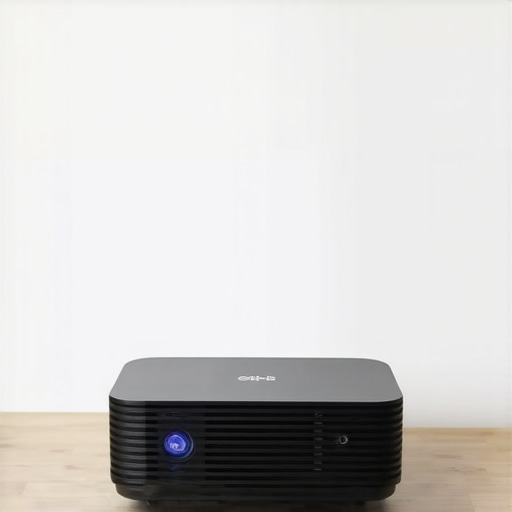
It was a typical Saturday afternoon when I finally understood the true challenge of creating a home theater in a compact apartment. As I dragged an unwieldy, bulky projector across my living room, I realized it was less about enjoying a movie and more about negotiating every inch of my space. That moment sparked a lightbulb: why are so many high-quality home theater options still so cumbersome for small spaces? If you’ve ever struggled with setting up a projector in a tight spot, you’re not alone. Today, I promise to guide you through selecting the perfect portable or ultra short throw (UST) 4K projector that will seamlessly fit your small space without sacrificing picture quality or convenience.
Why Small Spaces Need Smarter Projector Solutions
Living in a cozy apartment or a compact house shouldn’t mean settling for subpar entertainment. Yet, traditional projectors often demand large, dedicated rooms and complex setups—hardly practical for small environments. I learned this firsthand early on; my initial mistake was thinking a standard, bulky projector could be the perfect fix. Turns out, it just made my space feel even more cramped. Over time, I discovered that ultra short throw (UST) and portable 4K projectors are game changers—they can deliver stunning visuals while fitting comfortably in tight corners or on small tables. Not only do these projectors save space, but their ease of use allows me to enjoy cinematic experiences without the hassle. For more on cutting-edge options, check out our in-depth guide on the best 4K UST projectors for small spaces in 2024. But before making your choice, it’s natural to wonder: is this tech really worth the hype? Let’s tackle that next.
Is a Portable or UST 4K Projector Actually Worth the Hype?
I admit, I was skeptical at first. I wondered if these tiny projectors could really rival traditional setups in picture clarity and brightness. Early on, I bought a somewhat affordable portable projector without doing enough homework—big mistake. Its mediocre resolution and weak brightness left me disappointed. Had I researched more thoroughly, I would have discovered that selecting the right model makes all the difference, especially in small spaces. Today, I want to share the insights that helped me avoid that mistake and elevate my home entertainment setup. Whether you’re curious about how laser projectors compare to traditional ones, or considering the benefits of ultra short throw technology, there’s plenty to explore to find your perfect fit. In fact, the shift toward laser projection technology is making big-screen experiences more accessible than ever—find out why in our detailed analysis of laser vs. traditional projectors. Ready to turn your small space into a personal cinema? Let’s dive into how you can choose the best portable or UST 4K projector tailored for your needs.
Select the Right Projector for Your Space
Begin by assessing your room dimensions and ambient lighting. Opt for a compact, portable or ultra short throw (UST) 4K projector that fits your aesthetic and spatial constraints. I once measured my desk carefully, then tested a few models in situ to ensure the projector’s size wouldn’t block natural light or clutter my space.
Prioritize Brightness and Resolution
For small rooms, brightness matters more than size. Look for projectors with at least 2000 lumens. When I chose my device, I focused on models with high lumens and true 4K resolution, like the ones recommended in our 4K projector buying guide. This combo ensures vibrant images even with ambient light present.
Positioning and Mounting Techniques
Effective placement is key. For UST models, position the projector within inches of the wall or screen, vastly reducing setup complexity. I used painter’s tape to mark the optimal position, then tested different angles to minimize keystone distortion. Remember, proper alignment avoids unsightly picture trapezoids and keeps your setup looking professional.
Utilize Adjustable Mounts and Tripods
If permanent mounting isn’t an option, adjustable tripods are invaluable. I once used a sturdy tripod, which I adjusted for height and tilt, allowing me to fine-tune the image post-installation. This adaptability helps if you move or upgrade later.
Optimizing Image Quality
To achieve cinema-quality visuals in limited space, control ambient lighting with blackout curtains or dimmable lamps. Adjust projector settings for sharpness and contrast—most models have quick access to these. I experimented during a movie night, gradually increasing contrast until the picture popped without appearing over-processed.
Leverage Advanced Features like laser Technology
Laser projectors offer longer lifespans and brighter images, especially in compact models. I opted for a laser UST projector, which made setup cleaner and provided brilliant images that rival traditional cinema setups. These features are crucial for small rooms where every detail counts.
Calibrate for Consistent Results
Regular calibration maintains image quality. Use your projector’s menu to run auto-adjustments, and consider a calibration disc or app for fine-tuning colors and geometry. I initiated a calibration sequence after initial setup, night and day, to ensure the best possible viewing experience.
Many enthusiasts dive into the world of projectors believing certain myths that can hinder their setup and overall experience. One of the most widespread errors is assuming that higher resolution alone guarantees superior image quality. While 4K is impressive, factors like contrast ratio, color accuracy, and lens quality significantly impact picture clarity. For example, a recent study from the Imaging Science Foundation emphasizes that accurate color reproduction and contrast are often more noticeable to the human eye than resolution alone. Additionally, many underestimate the importance of ambient light control; even the best projector will perform poorly in a brightly lit room. Ensuring your space supports proper viewing conditions is essential for the best visual experience.
Another common mistake is overlooking the true advantages and limitations of ultra short throw (UST) projectors. Some users expect them to replace large screens entirely, but UST models are best suited for specific placements and sizes. Misjudging the throw distance can lead to subpar image geometry or keystone distortion. Proper positioning and understanding how these projectors interact with your space can make or break your setup.
People also often believe that portable projectors cannot deliver quality comparable to fixed installations. That’s a misconception. Modern portable models with laser technology and 4K resolution can rival traditional systems, offering flexibility without sacrificing much in picture quality. However, selecting a reputable model and understanding its specs are vital. Check out the comprehensive guides on [portable projectors](https://projectors.homecinemaessentials.com/portable-projectors-your-on-the-go-cinema-solution) for detailed specs.
Now, for the more nuanced aspect that often gets overlooked: the importance of lens quality and calibration. Many assume that since a projector is high resolution, it will automatically produce a perfect image. But in reality, even premium devices require meticulous calibration—adjusting settings like gamma, color balance, and keystone—to achieve optimal results. Skipping this step can leave your setup looking underwhelming, regardless of the technology used.
Furthermore, the misconception that laser projectors are inherently better than traditional lamp-based models isn’t always accurate. While lasers boast longer lifespans and increased brightness, they can be more expensive and sometimes produce color artifacts if not properly calibrated. As highlighted in [our analysis of laser vs. traditional projectors](https://projectors.homecinemaessentials.com/laser-projectors-vs-traditional-which-tops-in-brightness), understanding these nuances helps in making an informed choice.
Are you falling for any of these myths? Have you ever encountered surprises after purchasing what seemed like top-tier equipment? Share your experiences in the comments, and let’s navigate these pitfalls together.Maintaining your home theater projector, whether it’s an ultra short throw 4K model or a portable laser projector, is key to preserving picture quality and longevity. I rely on a few precise tools that make this process straightforward and effective. First, a microfiber cleaning cloth is indispensable for gently removing dust from lenses and vents without scratching delicate surfaces. I use a dedicated lens cleaning solution, like a mixture of distilled water and isopropyl alcohol, applied sparingly to avoid residue buildup. This keeps the lens crystal clear, especially for laser projectors where image clarity is paramount. Additionally, compressed air cans are fantastic for dislodging dust from cooling vents or filter areas, preventing overheating and maintaining optimal brightness.
For software calibration, I recommend tools like CalMAN or LightSpace, which allow precise color and contrast adjustments. These programs help me fine-tune my projector settings over time, especially after firmware updates or environmental changes. Regular calibration ensures consistent image quality, whether you’re enjoying a 4K Ultra HD blast or a detailed laser projection.
Long-term results depend heavily on routine upkeep. Setting a monthly schedule to clean filters, update firmware, and recalibrate ensures your setup remains at peak performance. Don’t forget to also check the lamp or laser module life, as these components degrade over time. Some laser projectors have an in-built diagnostic tool; I use it periodically to monitor laser intensity and replace components proactively.
Looking to future-proof your investment? I predict projectors will incorporate more advanced self-cleaning and diagnostics features, reducing manual upkeep. This makes choosing models with smart maintenance alerts worthwhile.
How do I keep my home theater projector functioning flawlessly over time?
Regular maintenance is surprisingly simple but crucial. Incorporate tools like microfiber cloths and compressed air into your routine cleaning, and use calibration software to keep visuals sharp. Remember, a well-maintained projector not only lasts longer but delivers the best possible viewing experience. As laser and 4K projectors become more sophisticated, staying ahead with proper upkeep will ensure your cinematic setup remains spectacular for years. Try scheduling monthly cleanings and calibrations with trusted tools—your future self will thank you. For a detailed guide on maintaining specific models, visit our contact page to get personalized assistance.
Lessons from the Front Lines of Small Space Cinema
One of the most eye-opening realizations was that choosing the right projector isn’t just about specs; it’s about understanding how your space interacts with technology. I learned that a too-bright environment can wash out even the top-tier projectors, regardless of resolution or brand. Managing ambient light became a game-changer, reminding me that sometimes, the environment’s needs outweigh the gadgets’ capabilities.
Another lesson was that laser projectors, despite their advanced features, demand proper calibration and maintenance—neglecting this can negate their brightness benefits. This taught me that investing in quality also means committing to ongoing care to preserve picture clarity over time.
Lastly, I discovered that flexibility in setup can enhance your viewing experience more than static, professional installations. Using adjustable mounts and portable options allows me to adapt my setup effortlessly for different content or guests, proving that convenience and quality can coexist in small spaces.
My Trusted Arsenal for Home Cinema in Tight Quarters
For anyone diving into small space home theater setup, I swear by tools and resources that streamline the process. The ultimate guide to portable ultra short throw 4K projectors helped me select models that fit my decor and space constraints without sacrificing image quality. For calibration, calibration guides and software have been invaluable in achieving vivid, cinema-like visuals.
If you’re considering maintenance, I trust laser projector reviews and tutorials that walk you through proper care routines. And for expanding my knowledge, I keep tabs on the latest industry updates—staying informed helps me make smarter upgrades and tweaks.
Step Into Your Personal Cinema—You’ve Got This!
Venturing into small space home theater setup can seem daunting, but with the right mindset and tools, it’s incredibly rewarding. Imagine hosting movie nights where the picture rivals that of commercial cinemas, all in your cozy apartment. The key is to embrace experimentation—try different mounts, calibrate your projector meticulously, and optimize your environment for the best visuals. Remember, your small space can deliver big entertainment—your unique arrangement, combined with my tips, will create an immersive experience worth sharing.
Having navigated these lessons myself, I encourage you to trust your instincts, leverage the resources I’ve found helpful, and enjoy the journey of making your small space a cinematic haven. What’s been your biggest challenge in setting up your home theater? Drop your experience below—I’d love to hear your story.